Missing for Six Years: 'A Crime Would Be the Worst': The Status of Scarlett's Case
Six years after Scarlett Salice disappeared in the Black Forest, a new lead has emerged: volunteers found a zipper possibly from her backpack, now being examined by police. The case remains open, with her father hoping for clarity.
Intelligence analysis by Gemini 2.5 Flash
The mystery surrounding Scarlett Salice's disappearance during a hike in 2020 continues, with a recent discovery by private searchers offering a glimmer of hope. While police acknowledge the volunteers' efforts, they also warn of risks in the challenging terrain and the potential for compromising evidence, as the State Criminal Police Office prioritizes current cases for forensic anal…
Imagine a young woman named Scarlett went for a hike in a big forest six years ago and never came back. Her family and many kind volunteers have been looking for her ever since. Recently, these volunteers found a tiny zipper in a river that might be from her backpack! Now, special police scientists are checking it, hoping it can help solve the mystery, even though it might take a while because they have many important cases.
Analysis
Scarlett Salice
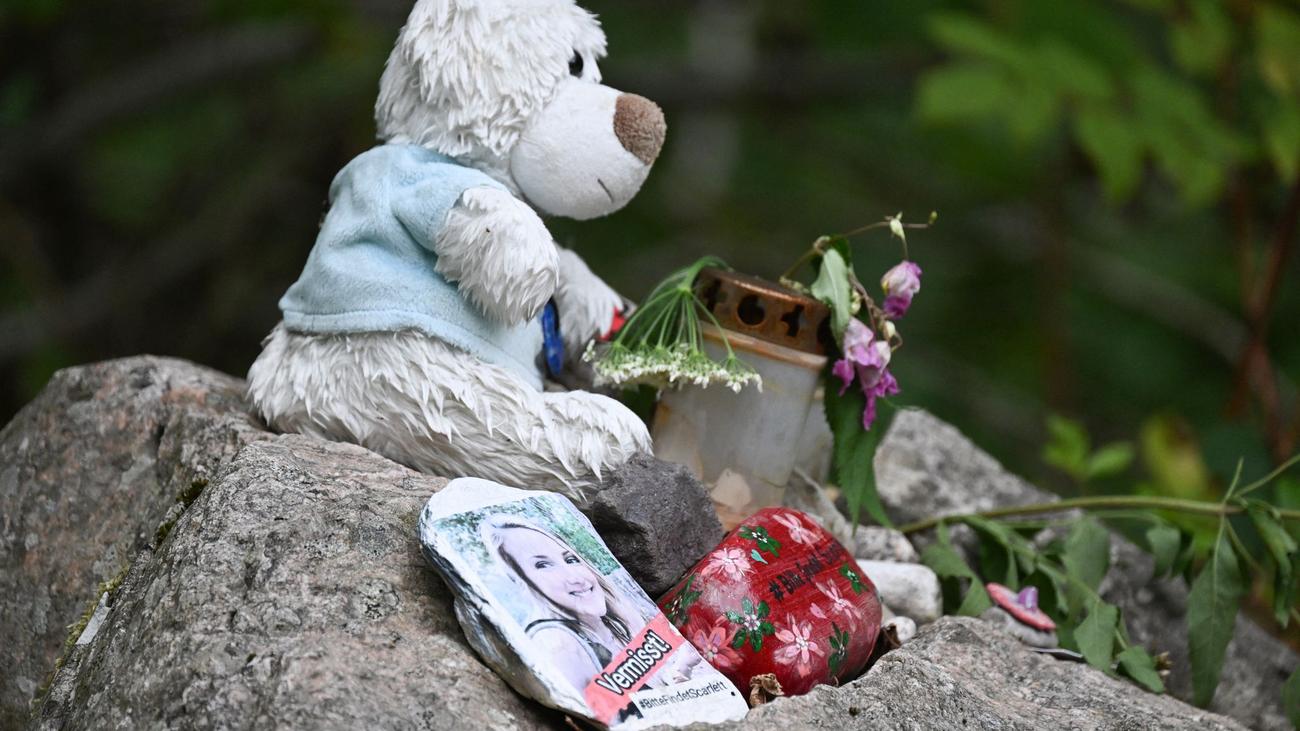
The disappearance of Scarlett Salice six years ago continues to cast a long shadow over her family and a dedicated community of volunteers in Germany. On September 10, 2020, the then 26-year-old from Bad Lippspringe embarked on a section of the Schluchtensteig trail in the Southern Black Forest, a popular hiking route, but tragically never arrived at her intended destination. Her last confirmed sighting was captured by a surveillance camera in a supermarket in Todtmoos, marking the beginning of a prolonged and agonizing search that has yielded few concrete answers. The enduring mystery surrounding her fate has kept the case in the public eye and fueled persistent efforts to find her.
Despite an initial homicide investigation being formally closed after two and a half years due to a complete lack of evidence pointing to a criminal act, the case remains officially open as a missing person inquiry. This distinction is crucial, as it means authorities have not ruled out other possibilities, such as an accident. Her father, Ralf Salice, has openly articulated the profound burden of this prolonged uncertainty, stating in a podcast that "a crime would be the worst" outcome imaginable. He yearns for any definitive conclusion, even if it confirms an accident, as it would at least rule out the more horrific possibility of foul play and offer a measure of solace and closure to his family. The emotional toll of not knowing what happened to his daughter is immense, driving his continued hope for new information.
Todtmoos
The small municipality of Todtmoos in the Waldshut district holds a significant, albeit somber, place in Scarlett's case, as it was the last known location where she was captured on camera before vanishing. This final visual trace underscores the vast and challenging terrain of the Southern Black Forest, particularly the Wutach and Wehra gorges, which are characterized by steep inclines, dense forests, and difficult access points. These geographical features have significantly complicated both official and private search efforts over the past six years, making it akin to searching for a "needle in a haystack," as one volunteer described it. The rugged landscape presents formidable obstacles to comprehensive searches.
The police have openly acknowledged the inherent dangers of this region, particularly for private search parties who may not possess the necessary training, equipment, or coordination protocols of official operations. A police spokesperson warned that "there is a risk that people will endanger themselves" in such treacherous conditions, highlighting concerns about potential accidents or injuries among volunteers. This underscores the delicate balance between the invaluable contributions of civilian searchers, driven by empathy and a sense of community, and the imperative to ensure their well-being and prevent further tragedies in a demanding and unforgiving environment. The lack of controlled search chains in private efforts also poses risks to evidence integrity.
Wehra
A recent discovery in a dried-up section of the Wehra river has injected a renewed, albeit cautious, sense of hope into the long-stalled investigation into Scarlett's disappearance. Volunteers, whose persistent efforts have been crucial, found a zipper that potentially belongs to Scarlett's backpack, a lead now being meticulously examined by the State Criminal Police Office (LKA). This development underscores the critical and often overlooked role that dedicated private search efforts play in cold cases, frequently unearthing clues years after official searches have scaled back or concluded. The volunteers' commitment to the case has been unwavering, providing a vital continuous presence in the search area.
However, the LKA's internal prioritization process means that results from the zipper analysis may take several weeks, as current homicide cases take precedence over a six-year-old missing person inquiry. This logistical reality highlights the challenges faced by law enforcement in allocating resources across numerous cases. Furthermore, the long exposure of the zipper to water and natural elements raises significant questions about the viability of extracting usable DNA evidence, adding another layer of uncertainty to this potential breakthrough. Despite these hurdles, the initiative "Bitte findet Scarlett" further aided the investigation by proactively procuring an identical backpack model for comparative analysis, demonstrating the resourceful and determined nature of the volunteer community in their quest for answers. If the zipper's origin is confirmed, the area is slated for another official search.
Key points
- Scarlett Salice, 26, disappeared on September 10, 2020, during a hike in the Southern Black Forest, last seen in Todtmoos.
- A homicide investigation was closed after 2.5 years, but the missing person case remains open.
- Volunteers recently found a zipper in the Wehra river, potentially from Scarlett's backpack, which is now being examined by the LKA.
- Police acknowledge volunteer efforts but warn of risks in the difficult terrain and potential for compromising evidence.
- Scarlett's father, Ralf Salice, expresses deep gratitude for the volunteers and hopes for clarity, stating 'a crime would be the worst' outcome.
If the zipper is confirmed to belong to Scarlett's backpack and yields usable DNA or other clues, it could lead to a renewed, targeted search of the Wehra river area, potentially bringing long-awaited answers or even finding Scarlett. This breakthrough could provide closure for her family and validate the tireless efforts of the volunteer search groups.
The LKA's analysis of the zipper might take weeks due to prioritization, and the long exposure to water could mean no DNA or other conclusive evidence can be extracted. This would leave the case without new leads, prolonging the family's uncertainty and potentially discouraging the dedicated volunteer searchers.