Missouri trio charged over alleged Bitcoin kidnapping plot
Three Missouri men have been charged for an alleged August 2024 plot to kidnap a Bitcoin holder in Connecticut and force them to transfer cryptocurrency, a plan they ultimately abandoned.
Intelligence analysis by Gemini 2.5 Flash
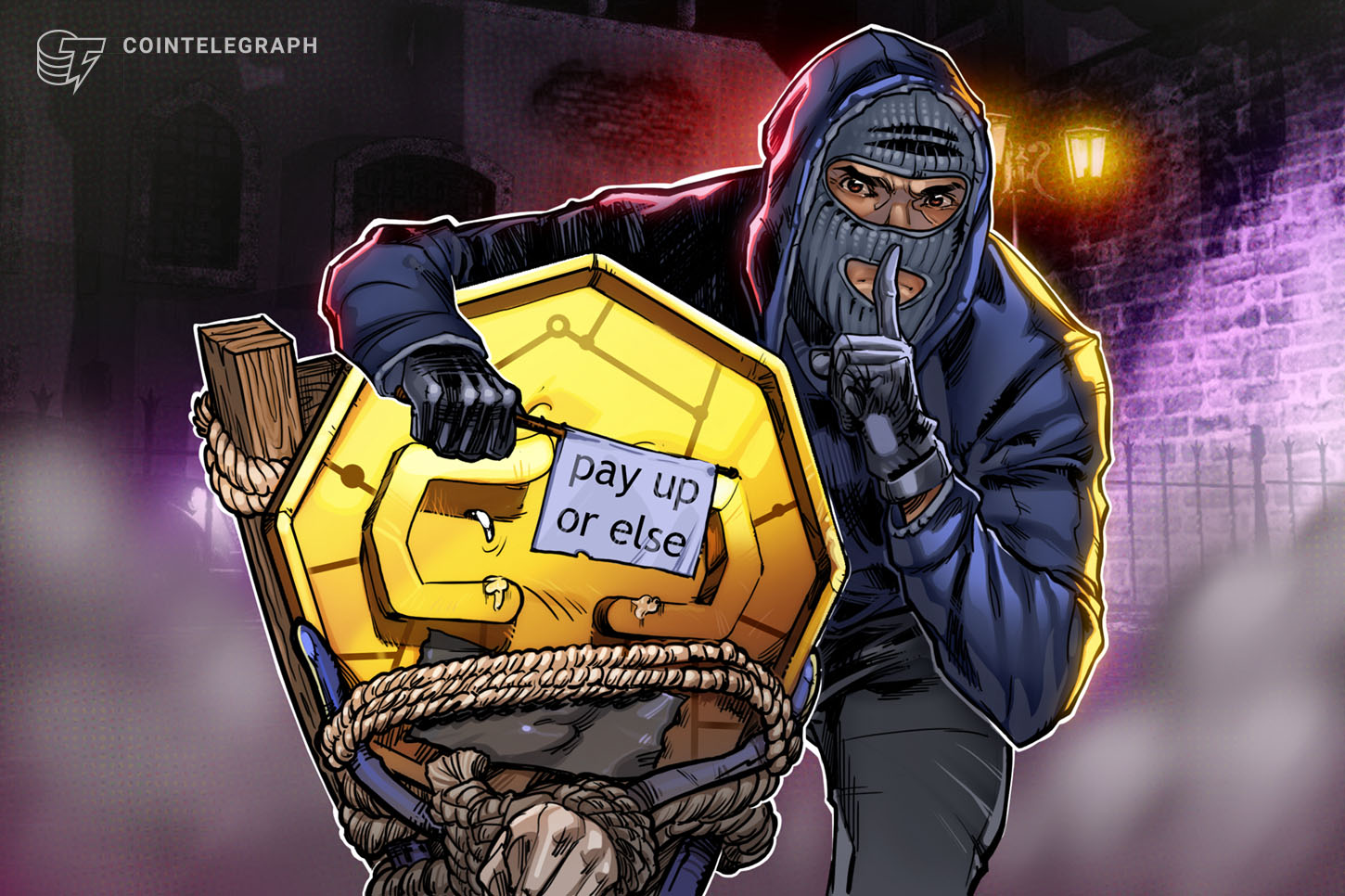
Sedric Louis, John Davis, and Martel Williams allegedly traveled from St. Louis to Connecticut, rented vehicles, and obtained air rifles to stake out their intended victim. After two days, they abandoned the scheme due to fears of being caught on security cameras, though another crew later arrived to attempt the same plan. The men have been charged under the Hobbs Act for conspiracy t…
Imagine someone has a special digital piggy bank full of digital money called Bitcoin. Three men from far away allegedly planned to sneak up on this person, make them open their digital piggy bank, and take their money. But they got scared of cameras and left. Even though they didn't finish their plan, they still got caught and charged because planning a bad thing is also against the rules. It shows that sometimes, people try to steal digital money by hurting people in real life, which is a big problem.
Analysis
The Alleged Kidnapping Plot Unveiled
In an alarming incident, three men from Missouri — Sedric Louis, John Davis, and Martel Williams — have been charged in connection with an alleged plot to kidnap a Bitcoin holder. The scheme, reportedly conceived in August 2024, involved traveling from St. Louis to Connecticut with the explicit intention of forcing a cryptocurrency transfer from the victim. The defendants allegedly rented vehicles and acquired air rifles, meticulously staking out their target for two days.
However, the initial plan was abandoned due to concerns about home security cameras, which the alleged perpetrators feared would expose their activities. Despite this initial setback, the article notes that a separate crew from Florida subsequently arrived to carry out a similar plan, suggesting a broader, organized effort targeting crypto holders. This detail underscores the persistent and evolving nature of threats within the cryptocurrency space.
Legal Ramifications and Charges
The three individuals face serious legal consequences, having been charged with conspiracy to interfere with commerce by robbery under the Hobbs Act. This federal statute carries a maximum sentence of 20 years in prison, reflecting the gravity of the alleged crime. Louis and Davis have been detained since their arrest on June 25, 2026, while Williams was released on bond, with all three pleading not guilty to the charges.
The application of the Hobbs Act in this context highlights how traditional criminal statutes are being adapted to address crimes involving digital assets. It demonstrates law enforcement's commitment to prosecuting individuals who attempt to leverage physical violence and coercion to steal cryptocurrency, treating such acts with the same severity as traditional robbery affecting interstate commerce.
Escalating Physical Threats to Crypto Holders
This alleged plot is not an isolated incident but rather indicative of a disturbing trend within the cryptocurrency community. According to blockchain security company CertiK, home invasions have become the most common type of physical attack targeting cryptocurrency investors. The first half of 2026 alone saw a significant surge, with 20 reported incidents of crypto home invasions, a stark increase from just a single case reported a year prior.
This rise in physical attacks underscores a critical security challenge for individuals holding substantial amounts of cryptocurrency. While digital security measures are often emphasized, the physical safety of crypto holders is increasingly at risk, prompting a need for greater awareness and preventative strategies. The incident serves as a grim reminder that the value and anonymity associated with digital assets can attract dangerous criminal enterprises, extending threats beyond the digital realm into the physical world.
Key points
- Three Missouri men were charged for an alleged August 2024 plot to kidnap a Bitcoin holder in Connecticut.
- The defendants, Sedric Louis, John Davis, and Martel Williams, allegedly intended to force the victim to transfer cryptocurrency.
- The plan was abandoned due to fears of being caught on home security cameras, though another crew later arrived to attempt the same scheme.
- The men face charges under the Hobbs Act for conspiracy to interfere with commerce by robbery, carrying a maximum 20-year sentence.
- Blockchain security firm CertiK reported a significant increase in crypto-related home invasions, with 20 incidents in H1 2026 compared to one a year prior.
The incident underscores a concerning trend of escalating physical threats against cryptocurrency holders, with home invasions becoming a prevalent method for criminals to steal digital assets. This rise suggests that personal safety for crypto investors is increasingly compromised, necessitating heightened vigilance and security measures beyond just digital protection.