Mobile money in West Africa: how Wave is shaking up Orange without dethroning it
Wave Mobile Money is rapidly gaining market share against Orange Money in West Africa's UEMOA region, driven by a price war and regulatory changes, reshaping the mobile financial services sector.
Intelligence analysis by Gemini 2.5 Flash
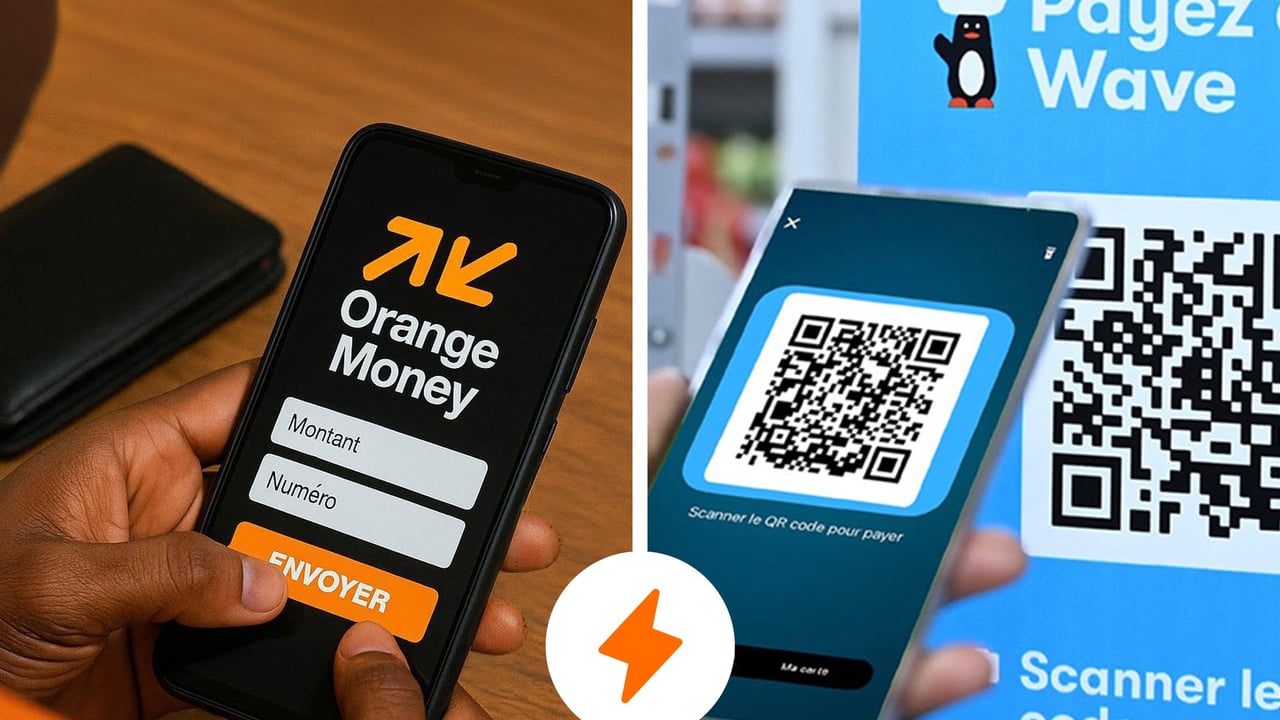
The mobile money landscape in West Africa is undergoing significant transformation as the American fintech Wave aggressively challenges Orange Money's dominance. While Orange remains the market leader, Wave's rapid growth in transaction volume, fueled by competitive pricing and evolving regulatory frameworks from the BCEAO, is forcing a re-evaluation of strategies within the sector.
Imagine two big ice cream trucks, Orange and Wave, selling treats. Orange used to sell way more, but Wave started selling its ice cream much cheaper. Now, more and more kids are buying from Wave, even though Orange still sells the most. A referee (the bank) is also making new rules to make sure everyone plays fair, changing how both trucks do business.
Analysis
The Shifting Sands of West African Mobile Money
The mobile money landscape in the West African Economic and Monetary Union (UEMOA) is experiencing a profound transformation, marked by an intense rivalry between established giant Orange Money and the rapidly ascending fintech, Wave. This competition is not merely a battle for market share but signifies a broader evolution within the mobile financial services sector, a critical component of financial inclusion and economic growth across the continent. The dynamic interplay between aggressive pricing strategies and increasing regulatory oversight from the Central Bank of West African States (BCEAO) is forcing all players to adapt and innovate, fundamentally reshaping how digital transactions are conducted in the region.
For years, Orange Money held a dominant position, leveraging its extensive telecommunications network and brand recognition. However, the entry and subsequent expansion of Wave, an American fintech, has introduced a disruptive force that challenges the traditional order. This shift underscores the agility of new entrants in leveraging technology and competitive models to gain traction against incumbents, highlighting the ongoing digital revolution in African finance.
Wave's Disruptive Ascent
Wave's strategy has been characterized by aggressive pricing, offering significantly lower transaction fees compared to its competitors. This approach has resonated strongly with a cost-sensitive consumer base, leading to a remarkable surge in its market presence. In terms of transaction volume, Wave's market share in UEMOA jumped from 21.4% in 2023 to an impressive 28.4% in 2024. This rapid growth demonstrates the power of a focused, value-driven proposition in a market ripe for disruption.
Conversely, Orange Money, while still maintaining its position as the market leader, has seen its share of transaction volume decline from 42% to 38.4% over the same period. This indicates that while Orange retains a substantial user base, it is losing ground to Wave's competitive edge. The article suggests that this "price war" is a primary driver of the market rebalancing, compelling Orange to re-evaluate its own service offerings and pricing structures to defend its long-held leadership.
Regulatory Catalysts and Future Outlook
Beyond the direct competition, the Central Bank of West African States (BCEAO) plays a pivotal role in shaping the sector's evolution. The article notes that the entire mobile money sector is "reinventing itself under the regulatory pressure" of the BCEAO. This regulatory influence aims to ensure fair competition, consumer protection, and the stability of the financial ecosystem. Such oversight can either facilitate innovation by creating a level playing field or impose constraints that challenge business models.
The ongoing regulatory adjustments by the BCEAO are likely to have a lasting impact on how mobile money services are structured and delivered in UEMOA. As Wave continues its expansion, reportedly eyeing markets like Cameroon and the Democratic Republic of Congo, and Orange strategizes to counter this challenge, the sector is poised for further innovation and consolidation. The outcome of this dynamic competition, influenced by both market forces and regulatory frameworks, will ultimately determine the future trajectory of mobile financial services in West Africa.
Key points
- Wave Mobile Money is significantly increasing its market share in West Africa's UEMOA region.
- Wave's transaction volume market share grew from 21.4% in 2023 to 28.4% in 2024.
- Orange Money, while still number one, saw its market share decline from 42% to 38.4% in the same period.
- The competition is characterized by a price war and is reshaping the mobile financial services sector.
- The Central Bank of West African States (BCEAO) is exerting regulatory pressure, influencing the sector's evolution.
The intense competition between Wave and Orange Money could lead to more affordable and accessible mobile financial services for consumers in West Africa. This rivalry, coupled with regulatory oversight, may foster innovation and drive greater financial inclusion, benefiting millions who rely on mobile money for daily transactions.
While competition can be beneficial, an aggressive price war might strain the profitability of mobile money operators, potentially leading to reduced investment in infrastructure or service quality. Furthermore, rapid shifts in market dominance could create instability or regulatory challenges if not managed carefully by authorities like the BCEAO.