Niger: 16 soldiers killed in attack in the West
An attack in Niger's Tillabéri region on July 17 killed 16 soldiers and wounded 23. The incident occurred near Téra, a known jihadist hotspot.
Intelligence analysis by Gemini 2.5 Flash Lite
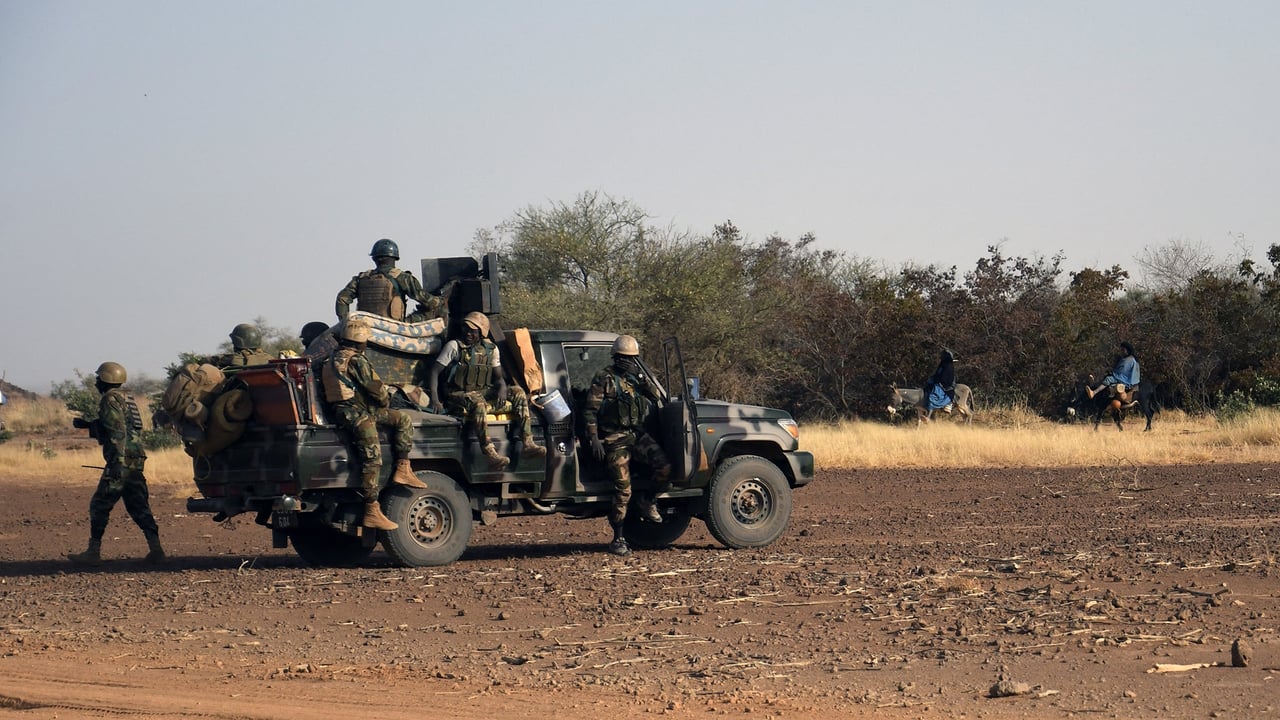
The article reports a significant attack on a military detachment in Niger's western Tillabéri region, resulting in 16 soldiers killed and 23 wounded. The incident, which also saw 15 alleged terrorists killed, highlights the persistent insecurity in the area bordering Mali and Burkina Faso, a region frequently targeted by jihadist groups.
Imagine a group of soldiers were patrolling an area in Niger, near countries where bad guys sometimes cause trouble. On July 17, some of these bad guys attacked the soldiers. Sadly, 16 soldiers were hurt very badly and couldn't be saved, and 23 others were injured. This shows that it's still very dangerous in that part of the world.
Analysis
Persistent Jihadist Violence in Tillabéri
The attack on July 17 in the Téra area of the Tillabéri region, resulting in the deaths of 16 soldiers and injuries to 23 others, is a stark reminder of the persistent and deadly jihadist insurgency plaguing western Niger. This region, situated at the volatile tri-border area with Mali and Burkina Faso, has become a recurring theater for attacks against military and civilian populations. The Agence Nigérienne de Presse (ANP) reported the incident, stating that 15 terrorists were also killed, though these figures await independent verification. The ANP's report also indicated ongoing search and security operations in the area, a common response to such incidents.
Escalating Security Concerns and Unprecedented Targets
The Tillabéri region has been a focal point for jihadist violence for years, with authorities often providing limited official figures for attacks. However, recent events suggest an escalation and a broadening of targets. Notably, Niger's capital, Niamey, has been attacked twice in the past six months, a departure from the usual focus on the border regions. In June, an attack on Niamey's airport claimed the lives of at least 11 soldiers and two civilians, with the Sahel branch of Al-Qaeda claiming responsibility. Earlier in the year, the same airport and adjacent military base were targeted by the Islamic State in the Greater Sahara (EIGS), requiring intervention from Nigerien forces and their Russian partners.
Broader Sahelian Instability and Strategic Implications
This latest attack in Tillabéri is symptomatic of the wider instability gripping the Sahel region, where various jihadist groups, including affiliates of Al-Qaeda and the Islamic State, vie for influence and carry out attacks. The article implicitly connects this event to broader security failures, referencing past significant attacks like the one on the Inates garrison in December 2019 and a similar incident in mid-June 2026. The persistent violence raises questions about the effectiveness of counter-terrorism strategies in the region and the capacity of national armies, even with international support, to secure their territories. The ongoing conflict also has significant implications for regional governance, humanitarian aid, and the potential for further displacement of populations.
Key points
- Sixteen soldiers were killed and 23 wounded in a terrorist attack in Niger's Tillabéri region on July 17.
- The attack targeted a military detachment in the Téra area, a known hotspot for jihadist activity near the borders with Mali and Burkina Faso.
- State media reported 15 terrorists were also killed, and ongoing security operations are underway.
- The Tillabéri region has been a frequent target of jihadist violence, with recent attacks also impacting the capital, Niamey.
- Independent verification of the casualty figures remains pending.
The ongoing security operations in the Téra area, as reported by the ANP, could lead to the apprehension or neutralization of the perpetrators, thereby disrupting future attacks. A successful security response might also bolster the confidence of the local population and the military in their ability to regain control of the region.
The continued success of jihadist groups in launching deadly attacks against military targets in Tillabéri suggests a persistent vulnerability in Niger's security apparatus. This could lead to further erosion of state authority in the region, increased civilian casualties, and a potential domino effect of instability spreading to neighboring areas.