Mojtaba Khamenei calls for end to Israeli attacks before Lebanon peace deal
Iran's Supreme Leader Mojtaba Khamenei has called for an end to Israeli attacks before a Lebanon peace deal. He praised Hezbollah fighters for their resistance against Israel, describing the group as a strong force against aggression.
Intelligence analysis by Llama
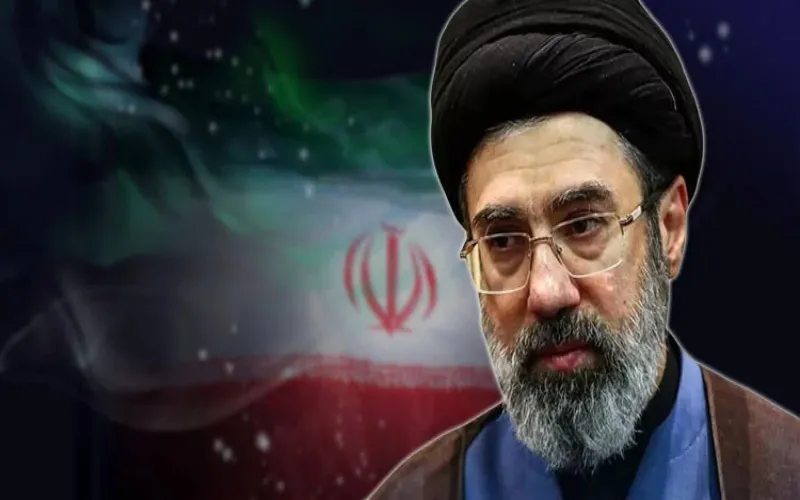
Iran's Supreme Leader Mojtaba Khamenei has called for an end to Israeli attacks before a Lebanon peace deal, praising Hezbollah fighters for their resistance against Israel.
Iran's leader, Mojtaba Khamenei, is asking Israel to stop attacking Lebanon so that a peace deal can be made. He's also praising a group called Hezbollah for fighting against Israel. This is happening because there's a lot of tension in the Middle East, and people are worried about safety in the region.
Analysis
A Call for Peace in the Middle East
Iran's Supreme Leader Mojtaba Khamenei has made a significant call for an end to Israeli attacks before a Lebanon peace deal. This development is significant as it highlights the ongoing tensions in the Middle East and the importance of maritime security in the region. The call for peace is a welcome development, especially in the context of the ongoing conflict between Iran and Israel.
The Role of Hezbollah
Hezbollah fighters have been praised by Khamenei for their resistance against Israel. This is a significant recognition of the group's efforts in the region. Hezbollah's actions have been seen as a strong force against aggression, and their determination and resilience have been credited by Khamenei.
The Importance of Maritime Security
The Strait of Hormuz, a major global energy route, remains a key focus as regional powers seek to manage rising risks. The incident involving the oil tanker explosion highlights the importance of maritime security in the region. Iran's warning to international vessels to follow its designated routes is a clear indication of the country's commitment to ensuring the safety of its waters.
The Ongoing Tensions
The latest developments highlight continued tensions across the Middle East, where maritime security, military actions, and diplomatic efforts remain closely connected. The region is witnessing a complex web of conflicts, with multiple players involved. The call for peace by Khamenei is a welcome development, but it remains to be seen whether it will be successful in reducing tensions in the region.
Key points
- Iran's Supreme Leader Mojtaba Khamenei has called for an end to Israeli attacks before a Lebanon peace deal.
- Hezbollah fighters have been praised by Khamenei for their resistance against Israel.
- The Strait of Hormuz remains a key focus as regional powers seek to manage rising risks.
- Iran's warning to international vessels to follow its designated routes is a clear indication of the country's commitment to ensuring the safety of its waters.
If the call for peace by Khamenei is successful, it could lead to a reduction in tensions in the Middle East and improved maritime security in the region. This could also lead to increased stability and cooperation between regional powers.
However, the ongoing tensions in the region and the complex web of conflicts make it challenging to achieve a lasting peace. The call for peace by Khamenei may not be enough to address the underlying issues, and the region may continue to witness instability and conflict.