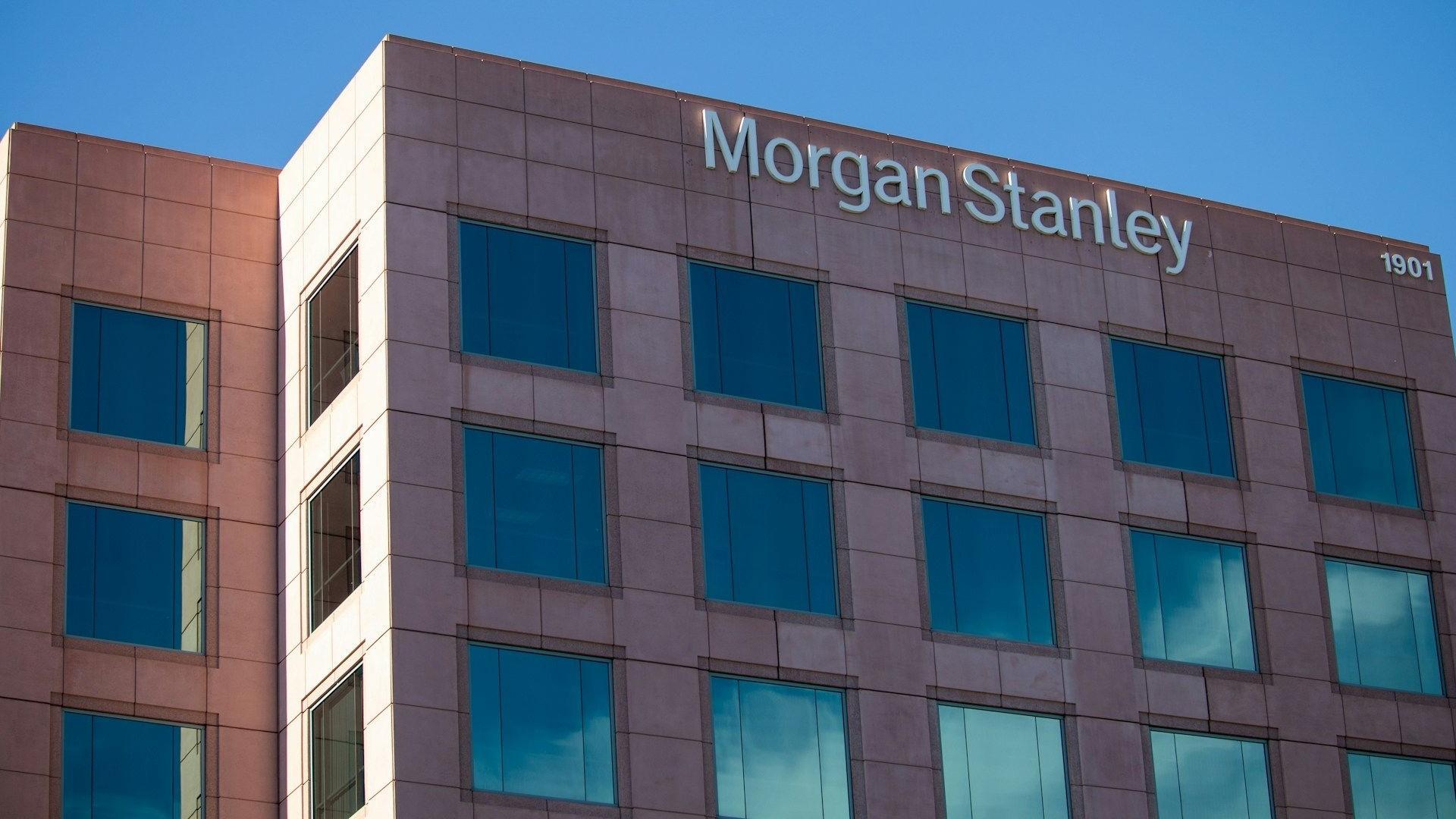
MoneyGram Launches MGUSD Stablecoin for Remittance Network
MoneyGram launched MGUSD, a dollar stablecoin on Stellar, to let users hold and move balances in its app.
Intelligence analysis by GPT-5.4 Mini

MoneyGram is moving deeper into blockchain payments with MGUSD, a dollar stablecoin built on Stellar and integrated into its app through a self-custodial wallet. The launch starts in the US and is meant to support global transfers and local-currency conversion.
MoneyGram is putting a digital dollar inside its app so people can send money more like passing a note through a fast mail system instead of waiting in a long line. The company says this could make international money moves easier and cheaper.
Analysis
What MoneyGram launched
MoneyGram says MGUSD is a US dollar stablecoin on Stellar that will be built into the MoneyGram app through a self-custodial wallet. The idea is for users to hold dollar-denominated balances, send funds internationally, and convert them into local currency. The company said the rollout begins in the US, with plans to expand globally.
How it is built
The article says MGUSD is issued by Bridge, Stripe’s stablecoin platform. It also says the launch uses mint-and-burn smart contract infrastructure from M0 and wallet infrastructure from Fireblocks. MoneyGram framed the move as a deeper step in its long-running partnership with the Stellar Development Foundation, moving beyond settlement and payout links toward issuance and balance infrastructure.
Why remittances are a target
The piece points to the persistent friction in cross-border payments. It cites a 2026 BIS paper saying such payments are still "more costly, less accessible, slower, and less transparent" than domestic ones. World Bank data in the article says sending $200 across borders cost 6.36% in Q3 2025, or about $12.72, which is well above the UN goal of 3%.
Stablecoins can reduce the blockchain settlement part of a transfer to a tiny fee, though the article notes users can still face on-ramp, off-ramp, FX spread, and local payout costs. That makes the launch less about eliminating every fee and more about cutting out some of the most expensive layers in the flow.
Competitive context
MoneyGram’s move follows recent stablecoin partnerships with Kraken and Tempo. The article also notes that Western Union is rolling out its own USDPT stablecoin on Solana, starting in Bolivia and the Philippines, with wider expansion planned for 2026. The broader point is clear: remittance companies are treating stablecoins as a serious payment rail, not a side experiment.
Key points
- MoneyGram launched MGUSD, a US dollar stablecoin on Stellar, starting in the US.
- The stablecoin will be embedded in the MoneyGram app through a self-custodial wallet.
- Bridge, M0, and Fireblocks provide the issuance, smart contract, and wallet infrastructure.
- MoneyGram says the launch builds on its long partnership with the Stellar Development Foundation.
- The article frames the move as part of a broader push to reduce remittance costs and friction.
If MoneyGram’s rollout works, customers could get a simpler way to hold dollars, send money abroad, and turn it into local cash in one app. The article suggests the approach may also help lower the cost and delay that still make remittances painful.
The launch still depends on extra layers like on-ramps, off-ramps, foreign exchange spreads, and payout fees, so the user experience may not be as cheap as the blockchain settlement fee alone suggests. The article also shows a crowded field, with Western Union and other payment players moving into the same space.