MoneyGram launches stablecoin on Stellar, joining rush toward digital dollar payments
MoneyGram launched MGUSD, a dollar-backed stablecoin on Stellar, to power app-based and cross-border payments.
Intelligence analysis by GPT-5.4 Mini
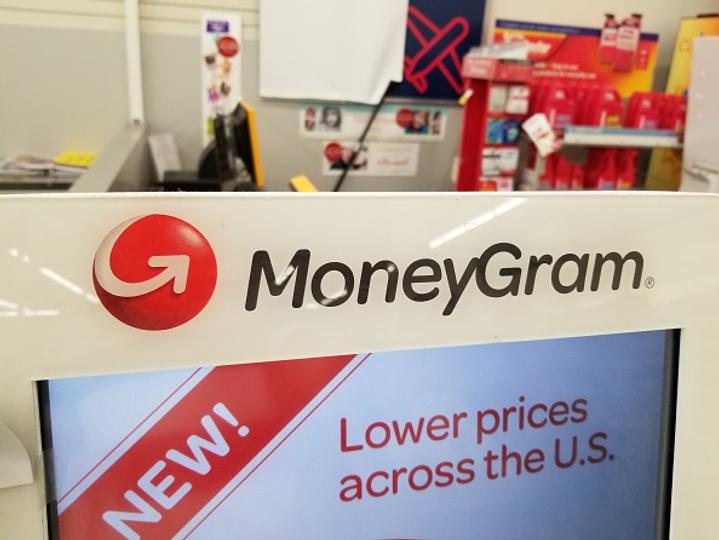
MoneyGram has launched MGUSD, a U.S. dollar-backed stablecoin on Stellar, and says it will embed the token into its app for self-custodial balances and transfers. The move puts the remittance company in the middle of a wider push by payments firms to use stablecoins for faster cross-border settlement.
MoneyGram made a new digital dollar called MGUSD. It lives on a blockchain named Stellar, which is like a shared online notebook that many computers can check.
The idea is that people can keep dollar value in the MoneyGram app and send it through MoneyGram’s money-moving system. That could make sending money faster, like taking a direct highway instead of waiting on slower back roads.
The company says this is for people sending money home and for users who do not have easy access to normal banking. If it works well, it could make moving dollars across borders feel more like sending a message than mailing a package.
Analysis
What happened
MoneyGram said it has launched MGUSD, a U.S. dollar-backed stablecoin on the Stellar blockchain. The token will first be available to U.S. users, with a wider international rollout planned later.
How it works
According to the article, MGUSD will be built into the MoneyGram app so customers can hold a dollar-denominated balance in a self-custodial wallet and move money through MoneyGram’s payments network. The stablecoin is issued by Bridge, the stablecoin infrastructure company acquired by Stripe. M0 supplied the smart contracts used to mint and redeem the token, and Fireblocks provides wallet infrastructure.
Why MoneyGram is doing this
MoneyGram is positioning MGUSD as core infrastructure for its network, which the company says reaches more than 60 million customers and nearly 500,000 retail locations worldwide. The article frames the launch as part of a broader race among banks, fintechs, and payment companies to use stablecoins for cross-border transfers, where blockchain-based settlement can be cheaper, faster, and available around the clock.
Bigger backdrop
The story points to a growing industry shift: firms such as SoFi, PayPal, and Western Union have also moved toward stablecoin products or partnerships. MoneyGram’s existing relationship with the Stellar Development Foundation, built over five years around remittance use cases, appears to have provided the path for this launch.
Significance
The launch matters because it connects a mainstream remittance brand with a live stablecoin product rather than a pilot or concept. If MoneyGram can make MGUSD useful inside its existing network, it could help normalize stablecoins as a payment tool rather than only a crypto trading asset.
Key points
- MoneyGram launched MGUSD, a U.S. dollar-backed stablecoin, on Stellar.
- The token will debut in the U.S. first, with global rollout plans later.
- MoneyGram says MGUSD will be embedded into its app and payments network.
- Bridge is the regulated issuer, with M0 handling smart contracts and Fireblocks providing wallet infrastructure.
- The launch fits a wider trend of payments firms and banks exploring stablecoins for remittances and settlement.
If MGUSD gains traction, MoneyGram could offer faster and more flexible cross-border transfers across its global network. The launch could also help stablecoins become a normal part of everyday payments instead of staying mostly in crypto trading circles.
The rollout may stay limited if users do not adopt self-custodial wallets or if the product is too complex for everyday remittance customers. It also depends on MoneyGram, Bridge, M0, Fireblocks, and Stellar all working smoothly together across multiple markets.