Monsoon Session washed out; INDIA bloc skips customary tea
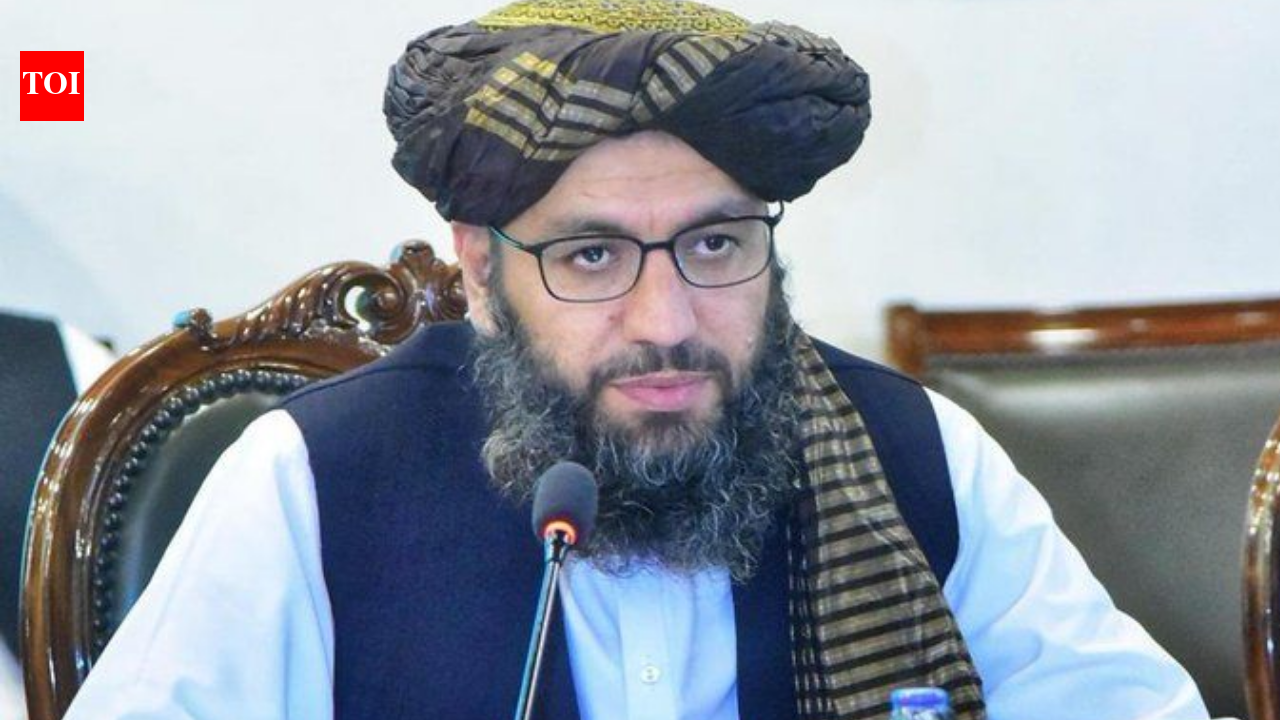
Parliament's monsoon session turned out to be a washout due to protests by the opposition throughout its sittings. The Congress and its allies decided to keep away from the customary get-together over tea at Lok Sabha Speaker Om Birla's chamber at the session's conclusion.
Intelligence analysis by Llama
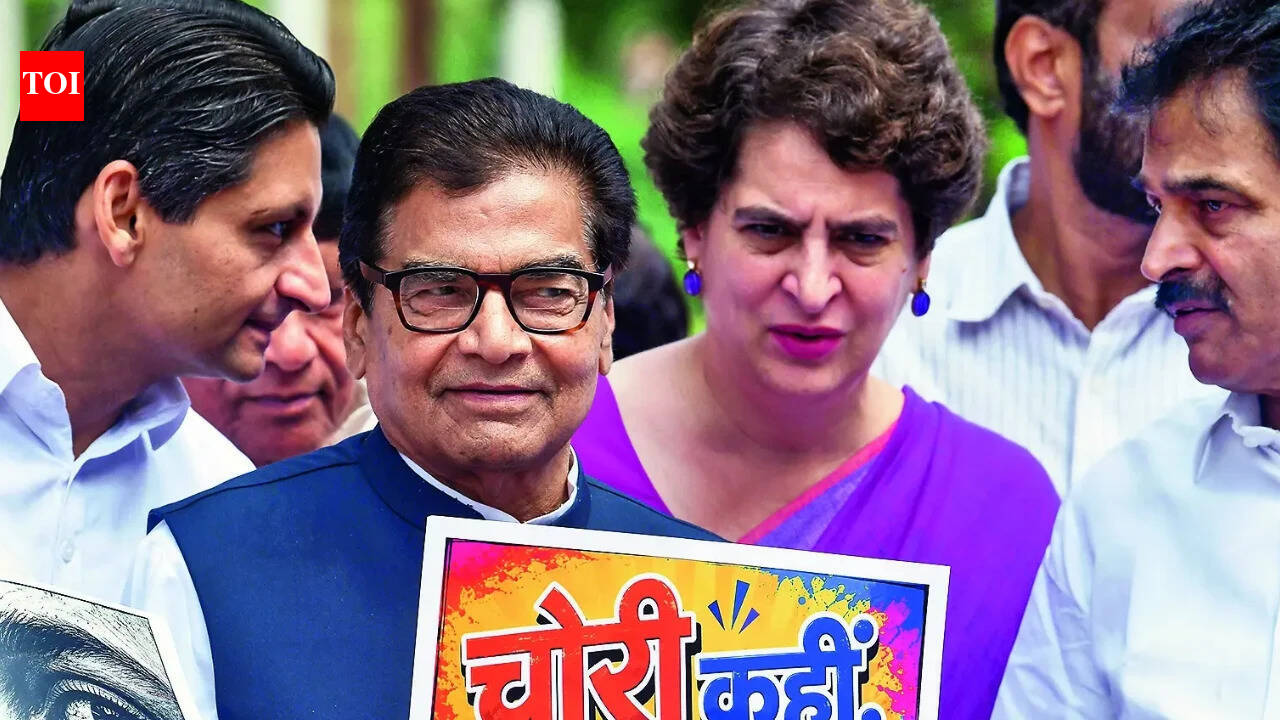
The monsoon session of Parliament was marred by protests, resulting in a low productivity of 19% in the Lok Sabha. The opposition, led by Congress, blamed the government for not heeding their demands, including a discussion on the theft of donations at Ram temple and Prime Minister Narendra Modi's statement on the issue.
Imagine you're in a big classroom, and everyone's arguing and shouting. That's kind of what happened in Parliament during the monsoon session. The opposition and the government were fighting, and it made it hard for them to get any work done. It's like when you're trying to do your homework, but your friends are being too loud and distracting.
Analysis
Monsoon Session Productivity Hits Rock Bottom
The monsoon session of Parliament, which concluded on August 13, 2026, was marked by protests and disruptions, resulting in a low productivity of 19% in the Lok Sabha. This is a significant drop from the previous session, which had a productivity of 39% in the Rajya Sabha. The opposition, led by Congress, blamed the government for not heeding their demands, including a discussion on the theft of donations at Ram temple and Prime Minister Narendra Modi's statement on the issue.
Government's Legislative Agenda Pushed Through
Despite the disruptions, the government was able to push through its legislative agenda, with Parliament passing 12 bills. However, only one of these bills, the Public Examination (Prevention of Unfair Means) Amendment Bill, had the opposition agreeing to discussion. This bill allowed the opposition to raise the issue of the NEET-UG paper leak student protest.
Opposition Unity and Solidarity on Display
The opposition's unity and solidarity were on full display during the session, with many opposition MPs participating in the protests and disruptions. Congress claimed that the government was scared like never before, and that the opposition unity and solidarity were a sign of their strength.
Government's Response
The government, however, blamed the opposition for the disruptions and the low productivity. Parliamentary affairs minister Kiren Rijiju said that Congress kept changing the goalpost, and that the government had agreed to their demands. He also reached out to Rahul Gandhi to attend the tea ceremony, but the leader of the opposition refused.
Key points
- The monsoon session of Parliament was marked by protests and disruptions, resulting in a low productivity of 19% in the Lok Sabha.
- The opposition, led by Congress, blamed the government for not heeding their demands, including a discussion on the theft of donations at Ram temple and Prime Minister Narendra Modi's statement on the issue.
- The government was able to push through its legislative agenda, with Parliament passing 12 bills.
- The opposition's unity and solidarity were on full display during the session, with many opposition MPs participating in the protests and disruptions.
If the opposition and the government can find a way to work together, it could lead to more productive sessions and better governance. This could also lead to more discussions and debates on important issues, which could benefit the country.
If the opposition and the government continue to fight and disrupt each other, it could lead to a complete breakdown of the legislative process. This could result in a lack of progress on important issues and a further erosion of trust between the two sides.