More rail services in England set to slow as heatwave shrinks soil
Rail services in England are set to slow down due to the heatwave, which is causing the soil to shrink and affecting the railway tracks. Train operators are expected to announce timetable changes and reduced speeds to cope with the effects of hot and dry weather.
Intelligence analysis by Llama
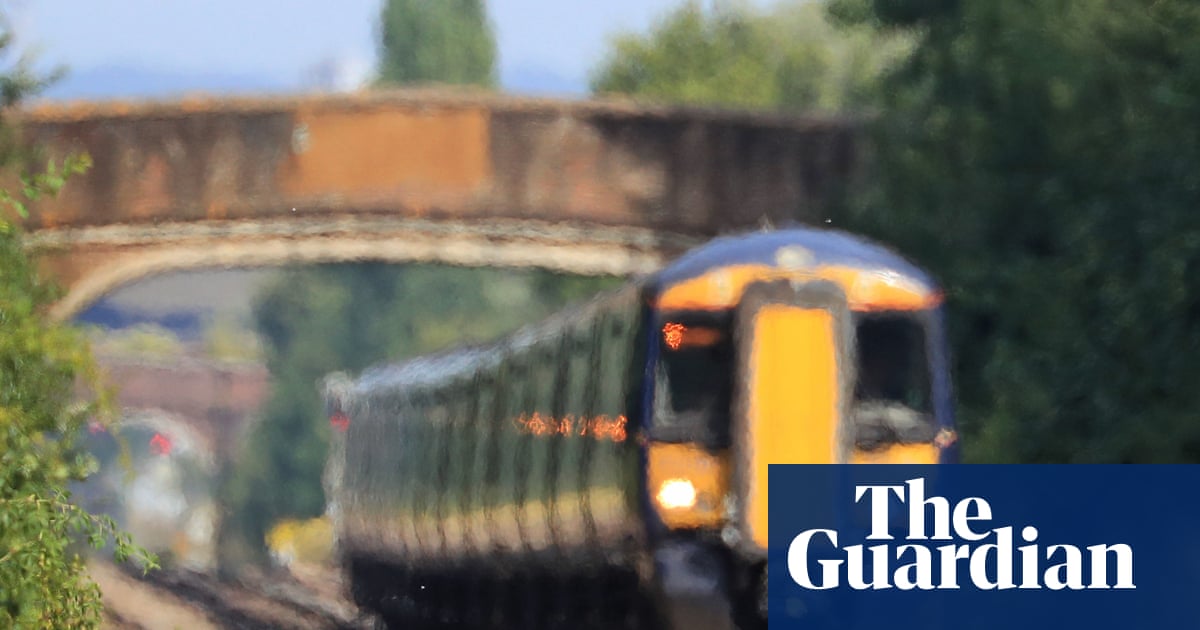
The heatwave is causing the soil to shrink, which is affecting the railway tracks and leading to speed restrictions. Train operators are expected to announce timetable changes and reduced speeds to cope with the effects of hot and dry weather.
The heatwave is causing the soil to shrink, which is affecting the railway tracks and leading to speed restrictions. This means that trains will have to run at reduced speeds, which will lead to delays and disruptions for commuters and travelers.
Analysis
The Impact of the Heatwave on Rail Services
The current heatwave in England is having a significant impact on rail services, with many train operators expected to announce timetable changes and reduced speeds. The heatwave is causing the soil to shrink, which is affecting the railway tracks and leading to speed restrictions. This is because many sections of Britain's railway network are built on embankments containing clay soil, which normally contains a lot of water. Long periods of drought reduce the volume of moisture in the soil, causing it to shrink, which in turn disturbs the ground that tracks are built on, causing sleepers to drop or move out of position. Even relatively small changes in track geometry mean trains must reduce their speed to run safely.
The Effects of Speed Restrictions
The speed restrictions caused by the heatwave will have a significant impact on rail services, with many trains expected to run at reduced speeds. This will lead to delays and disruptions for commuters and travelers, who will face longer journey times and reduced services. The speed restrictions will also have a knock-on impact on other services across the network, with cumulative delays and disruptions expected.
The Response of Train Operators
Train operators are expected to announce timetable changes and reduced speeds to cope with the effects of hot and dry weather. This will involve altering some evening services, including rail replacement buses, and reducing the frequency of certain services. The Elizabeth line will also operate a reduced 11pm to midnight service between Gidea Park and Shenfield on certain dates. Network Rail is also taking steps to reduce the effects of dried-out soil by using machines called tampers to lift the track, push stone ballast underneath and create a solid foundation so that trains can run smoothly. New ballast is also being put down to help raise the level of the track.
Key points
- The heatwave is causing the soil to shrink, which is affecting the railway tracks and leading to speed restrictions.
- Train operators are expected to announce timetable changes and reduced speeds to cope with the effects of hot and dry weather.
- The speed restrictions will have a significant impact on rail services, with many trains expected to run at reduced speeds.
- Network Rail is taking steps to reduce the effects of dried-out soil by using machines called tampers to lift the track and push stone ballast underneath.
If the heatwave subsides and rainfall returns to normal, the speed restrictions will be lifted and rail services will return to normal. This will allow trains to run at full speed, reducing journey times and improving services for commuters and travelers.
If the heatwave continues and rainfall remains low, the speed restrictions will remain in place, leading to ongoing delays and disruptions for commuters and travelers. This will also have a knock-on impact on other services across the network, with cumulative delays and disruptions expected.