Marmite and Dove owner Unilever warns of price rises due to growing costs
Unilever says it will push through further price rises in the second half as commodity costs rise, even as it reported a 5.8% jump in underlying sales.
Intelligence analysis by Llama
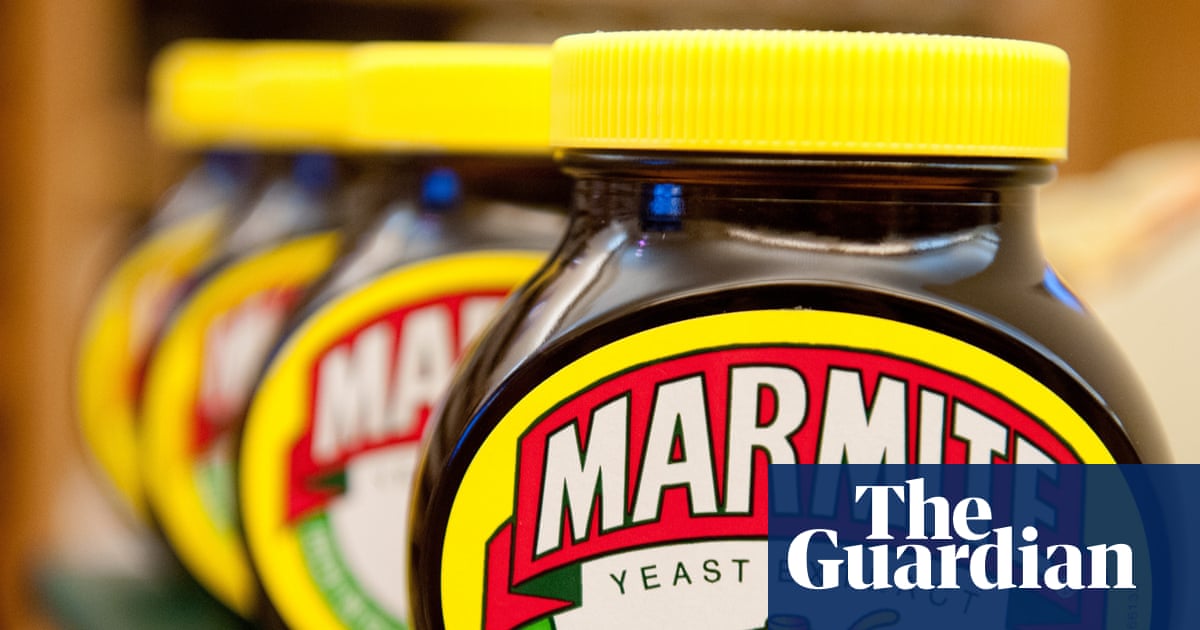
Unilever beat sales expectations and lifted its 2026 outlook, but told shareholders commodity-driven price increases will accelerate after the World Cup-related discounts fade. The warning lands as oil-driven cost pressure keeps UK inflation in focus.
Unilever makes things like Marmite and Dove soap. Stuff that goes into those products, like oil for trucks, costs more because of fighting near Iran. So the company is telling everyone: the World Cup discounts are ending, and prices will keep going up. People still seem to like the brands enough to pay a bit more.
Analysis
A pricing reset, not a pause
Unilever spent the first half of the year cushioning shoppers from the worst of its input costs, leaning on World Cup marketing promotions and Brazil-specific price cuts to keep shelves competitive. The company made clear on Tuesday that those concessions were tactical, not strategic. Underlying price growth, it told investors, will "accelerate in the second half as commodity-driven pricing continues to land in market." In plain terms, the discounts tied to the tournament cycle are being unwound, and the next leg of the cost pass-through is about to hit the till.
The Q2 numbers illustrate why management feels it has room to act. Underlying sales rose 5.8% and turnover climbed 3.8% to €13bn (£11.1bn), with volumes up roughly 5.5%, about double what analysts had pencilled in. Victoria Scholar of Interactive Investor framed the resilience as a brand-loyalty story: consumers, she said, continued to demand Unilever's branded products rather than switching to unbranded cheaper alternatives despite cost-of-living pressures. That is a meaningful tell in a market where every household has been told to trade down.
The oil pipeline into British pantries
The cost pressure reaching Unilever is not abstract. Higher oil prices since March, when the US-Israeli war on Iran effectively halted tanker traffic through the Strait of Hormuz, have fed through to ingredient and logistics bills. Brent has been oscillating around temporary ceasefires, but that volatility has not translated into a sustained drop for manufacturers, who are still waiting to see whether the relief sticks before they stop passing costs on.
The macro stakes are visible in the UK inflation data. June's 2.6% print undershot forecasts, but City economists are already warning that the Bank of England may have to tear up its projections if oil revisits $100 a barrel. Mohamed El-Erian, the University of Pennsylvania professor and former IMF chief economist, set a lower tripwire: a sustained move above $90 would, in his view, push headline inflation higher via diesel-driven food costs and broader second-round effects. Unilever's UK footprint, including Pot Noodle in Crumlin and the Marmite, Hellmann's and Colman's lines in Burton-on-Trent, places it squarely in that transmission chain.
Brand investment, not just brand equity
Unilever is also trying to convince the City that this cycle is different because it is spending again. CFO Srinivas Phatak declared that "the days of underinvesting in our businesses are over." Morningstar's Diana Radu pointed to volume growth, market share gains and the upgraded outlook as evidence the strategy is converting into demand. Personal care brands, notably Dove, Vaseline and Sunsilk, did the heavy lifting in Q2, with beauty and wellbeing carrying much of the group's growth.
The market response was emphatic. Unilever's shares climbed more than 7% by early afternoon, putting the stock at the top of the FTSE 100 leaderboard. Chris Beckett of Quilter Cheviot noted that, while earnings were only modestly ahead, the sales beat and the prospect of further pricing in H2 did the work. With 2026 underlying sales growth guidance lifted to 4-5%, Unilever has effectively pre-announced the next round of price hikes and given investors a reason to believe the volumes will hold.
Key points
- Unilever says underlying price growth will accelerate in H2 as World Cup-related discounts fade
- Underlying sales rose 5.8% in Q2 and turnover climbed 3.8% to €13bn, with volumes up 5.5%
- Cost pressure traces to higher oil prices since March, when the US-Israeli war on Iran disrupted Strait of Hormuz tanker traffic
- El-Erian warns sustained oil above $90 could push UK inflation higher, putting BoE rate cuts at risk
- Unilever raised its 2026 guidance to 4-5% underlying sales growth, lifting shares more than 7% to the top of the FTSE 100
If oil prices stabilise and the temporary ceasefires hold, Unilever's combination of pricing power and recovering volume growth could deliver the upgraded 4-5% full-year guidance with room to spare. A return to a more normal commodity backdrop would also ease the pressure on UK inflation, allowing the Bank of England to leave rates on hold.
If oil prices push back above $90 a barrel on renewed Strait of Hormuz disruption, El-Erian and other economists warn UK headline inflation could spike, forcing the Bank of England to raise rates later this year. That would squeeze household budgets and test whether Unilever's brand loyalty can really hold up against a second cost-of-living shock.
Market signals
- ULVR Shares climbed more than 7% to the top of the FTSE 100 after sales beat expectations and 2026 guidance was raised to 4-5% underlying growth led by pricing.
- OIL The article cites Strait of Hormuz disruption and warns a return above $90-$100 a barrel would reignite UK inflation, framing oil as the key cost input still pressuring manufacturers.
AI-generated analysis of potential market relevance. Not financial advice.