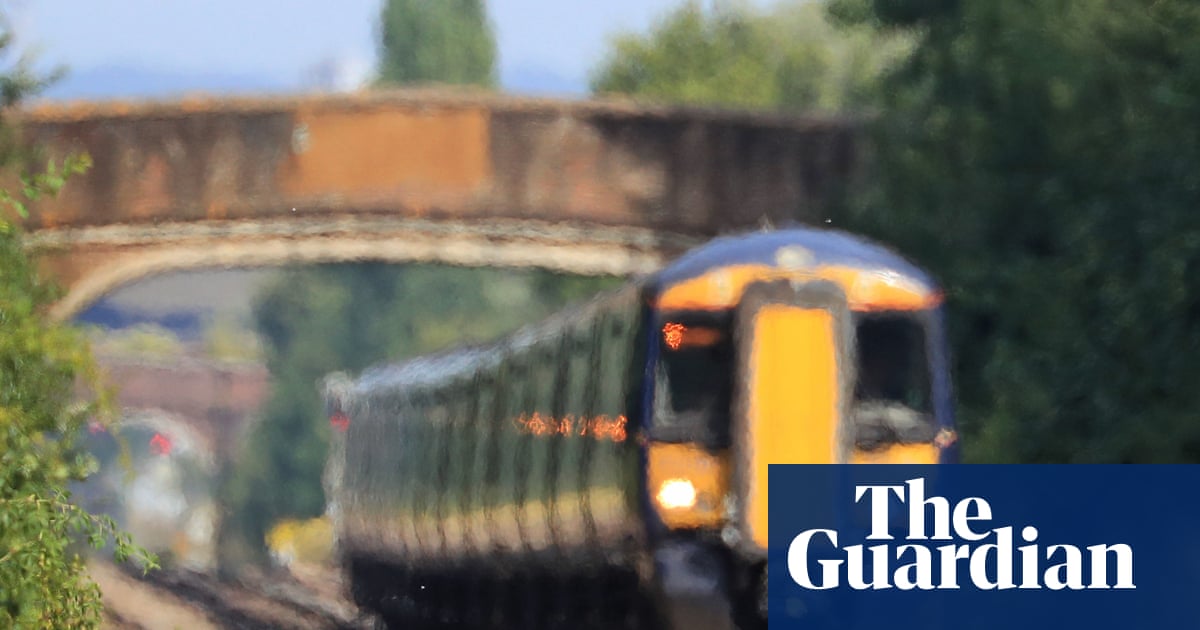
The 10 most overcrowded train services revealed
The most overcrowded train service in England and Wales last autumn was a Thameslink morning rush hour service between Bedford and Three Bridges in West Sussex, according to the Department for Transport (DfT).
Intelligence analysis by Llama
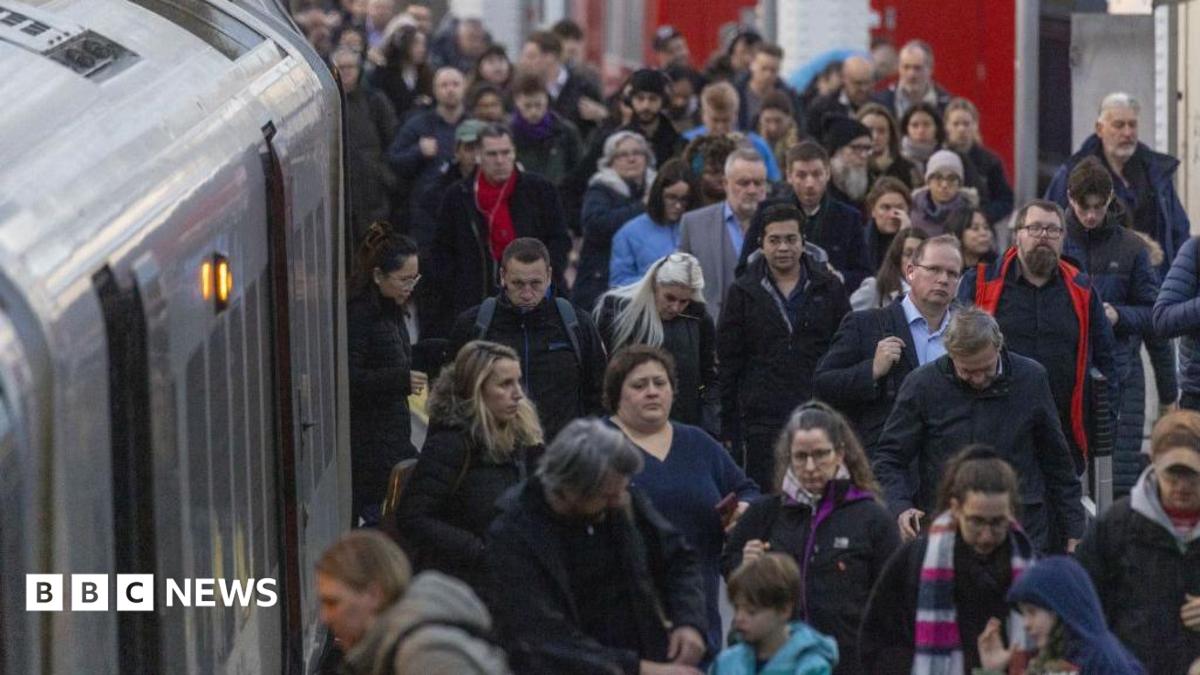
The DfT figures reveal that overcrowding on commuter trains serving major English and Welsh cities fell slightly, for the first time since 2020, due to an increase in capacity. Only 1.1% of peak-time travellers were on an overcrowded train.
Imagine you're on a train, and it's so full that you have to stand up the whole time. That's what's happening on some trains in England and Wales. The government is trying to fix the problem by adding more carriages and trains, but it's a big job.
Analysis
The Problem of Overcrowding on Commuter Trains
The issue of overcrowding on commuter trains in England and Wales has been a persistent problem for many years. The Department for Transport (DfT) has been monitoring the situation and has reported that overcrowding has fallen slightly, for the first time since 2020, due to an increase in capacity. However, the problem still persists, with 1.1% of peak-time travellers on an overcrowded train. The DfT has identified the most overcrowded train services, with the Thameslink morning rush hour service between Bedford and Three Bridges in West Sussex topping the list. This service had a load factor of 176% at London St Pancras shortly after 08:00, meaning that it was almost twice as full as it was designed to be. The West Midlands service from London Euston to Crewe was second on the list, with a load factor of 170%. The DfT has said that work is under way to improve capacity where there are pinch points during peak hours. This includes adding carriages to the busiest commuter services and boosting capacity by nearly 30% in the last year with new trains. The DfT has also said that bringing track and train together under Great British Railways will support further improvements, helping create a joined-up service that puts passengers first.
The Impact on Passengers
The issue of overcrowding on commuter trains has a significant impact on passengers. A quarter of passengers travelling in and out of London at peak times had to stand, while in other cities, only 5% of passengers could not get a seat. The DfT has said that it is continually monitoring how busy its services are and making changes to provide more space. For example, Thameslink has lengthened trains on some of its busiest Bedford to London services and introduced an additional peak-time service to provide more choice and extra space. However, more needs to be done to address the ongoing issue of overcrowding on commuter trains.
The Road Ahead
The DfT has said that it is committed to improving capacity on commuter trains and reducing overcrowding. This includes bringing track and train together under Great British Railways, which will support further improvements and help create a joined-up service that puts passengers first. However, more needs to be done to address the ongoing issue of overcrowding on commuter trains. The DfT needs to continue to monitor the situation and make changes to provide more space for passengers. This includes adding carriages to the busiest commuter services and boosting capacity by nearly 30% in the last year with new trains. By working together, we can create a more efficient and effective rail network that meets the needs of passengers.
Key points
- The most overcrowded train service in England and Wales last autumn was a Thameslink morning rush hour service between Bedford and Three Bridges in West Sussex.
- Overcrowding on commuter trains serving major English and Welsh cities fell slightly, for the first time since 2020, due to an increase in capacity.
- The DfT has said that work is under way to improve capacity where there are pinch points during peak hours.
- A quarter of passengers travelling in and out of London at peak times had to stand.
- The DfT has said that it is continually monitoring how busy its services are and making changes to provide more space.
If the government continues to work on improving capacity on commuter trains, it's possible that overcrowding could be reduced even further. This could lead to a better experience for passengers and make it easier for people to get to work or school on time.
If the government doesn't do enough to address the issue of overcrowding on commuter trains, it could lead to a decrease in passenger satisfaction and potentially even a decrease in the number of people using public transport.