More than 1 million children lost access to food benefits after Trump bill passed
A Center on Budget and Policy Priorities report finds over 1 million children and more than 4 million Americans have lost SNAP food benefits since the One Big Beautiful Bill Act passed in July 2025, with Arizona hit hardest.
Intelligence analysis by Llama
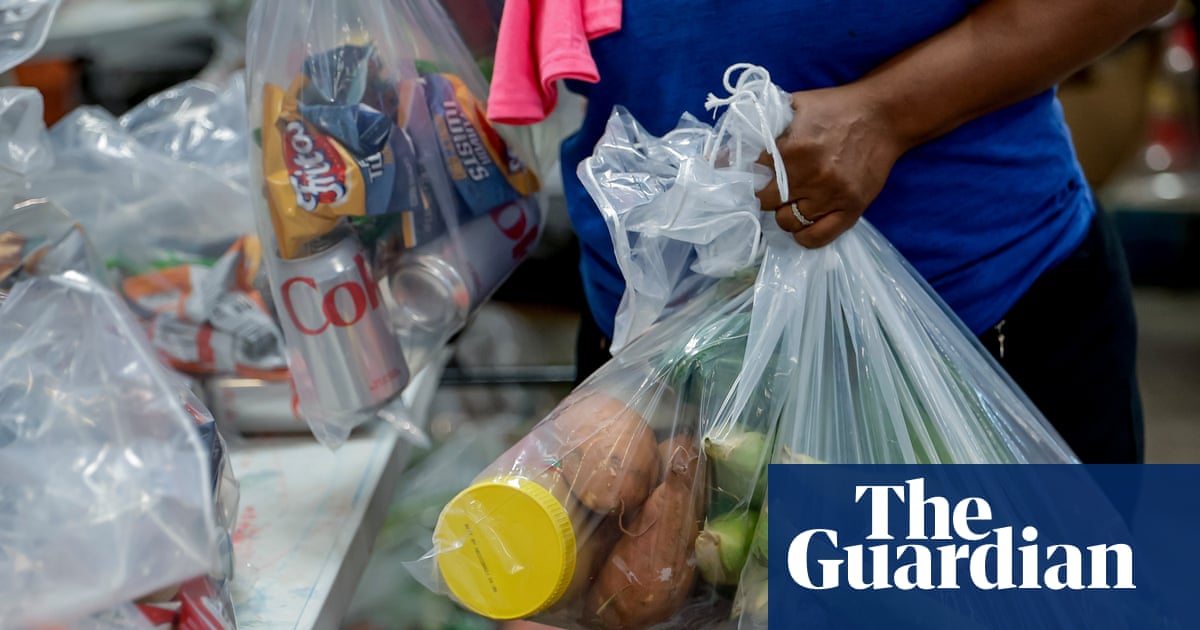
Over 1 million US children have been cut from SNAP food assistance after Congress passed the One Big Beautiful Bill Act, according to a new CBPP analysis. The legislation shifted benefit costs to states and tightened eligibility, prompting mayors from over 200 cities to urge reversal.
A new law in 2025 made it harder for the government to help families buy food, and now over 1 million kids in America don't get that help anymore. It's like if your school suddenly took away the free lunch program, and a lot of kids went hungry as a result.
Analysis
A Cost-Shift Designed to Squeeze States
The One Big Beautiful Bill Act, signed into law in July 2025, did not directly slash SNAP benefits for individual households. Instead, it engineered a structural pressure point: a formula that forces states with elevated payment error rates to absorb a growing share of SNAP's costs. That mechanism is now doing exactly what critics warned it would. The Center on Budget and Policy Priorities found that more than 4 million Americans, including over 1 million children across the 19 states it studied, were removed from SNAP between July 2025 and March 2026. The mechanism is consequential because it converts a federal entitlement into a discretionary budget item that cash-strapped statehouses can no longer afford to administer at previous scale.
The CBPP analysis is blunt about what comes next without congressional intervention. The group warned that the situation will deteriorate further, with more children losing access to the food assistance their families rely on. The legislation thus represents a quietly radical restructuring of the country's largest anti-hunger program, achieved not through direct benefit cuts but through fiscal coercion of the states that administer it.
Arizona as the Bellwether
No state illustrates the impact more starkly than Arizona, where participation in SNAP has been cut roughly in half since the law took effect. State data through May shows more than 450,000 Arizonans removed from the program, the largest drop in the country. The pattern repeats in states with high error rates and tight budgets, but Arizona's sheer scale makes it the clearest signal of what the cost-shift formula can produce when fully activated.
Other states are catching up. In Louisiana, nearly one in four children receiving SNAP lost benefits. Massachusetts and Texas each saw close to one-fifth of their enrolled children removed. These figures suggest the CBPP's national estimate of 1 million children is, if anything, conservative, given that 31 states were not included in the analysis. The geographic spread also undermines any framing of the cuts as a localized administrative issue; the policy is producing a nationwide retreat in child food security.
Mayors and Lawmakers Push Back
The political response is beginning to organize, even as Republicans retain majorities in both chambers. The US Conference of Mayors, a nonpartisan body representing cities of 30,000 or more, sent a letter to the Senate signed by more than 200 mayors calling for lawmakers to reverse the SNAP cuts amid what it described as a deepening food security crisis. The letter's framing was notably bipartisan in tone, emphasizing SNAP's role as a poverty reducer, an economic stabilizer, and a local-economy support.
Inside Congress, Representative Ilhan Omar introduced an amendment to reverse the cuts, which the Republican majority rejected. That vote, combined with the mayors' letter, sets up a potential legislative fight over whether to delay the cost-shift formula. With the CBPP warning of continued deterioration and child welfare advocates mobilizing, the One Big Beautiful Bill's food assistance provisions may yet become a flashpoint, even if the broader law remains intact.
Key points
- Over 1 million children and more than 4 million Americans were removed from SNAP between July 2025 and March 2026, according to the Center on Budget and Policy Priorities.
- Arizona saw the largest drop, with more than 450,000 people removed, cutting state participation in half.
- The One Big Beautiful Bill Act shifted a substantial share of SNAP costs to states based on their payment error rates, tightening eligibility and screening.
- In Louisiana, nearly one in four SNAP-enrolled children lost benefits; Massachusetts and Texas each lost close to one-fifth of enrolled children.
- The US Conference of Mayors, representing over 200 cities, urged the Senate to reverse the cuts, calling the situation a deepening food security crisis.
The US Conference of Mayors' letter, signed by more than 200 mayors from both parties, signals bipartisan pressure that could build momentum for Congress to delay or reverse the cost-shift formula. With the CBPP continuing to publish state-level data, public attention to the cuts may grow, increasing the political cost of inaction.
Without congressional intervention, the CBPP warns the situation will continue to worsen as more states face budget pressure from the cost-shift formula. The 19-state sample already captures over 1 million children, suggesting the national total could be substantially higher, and the Republican majority's rejection of Omar's amendment suggests near-term legislative relief is unlikely.