Morning recap
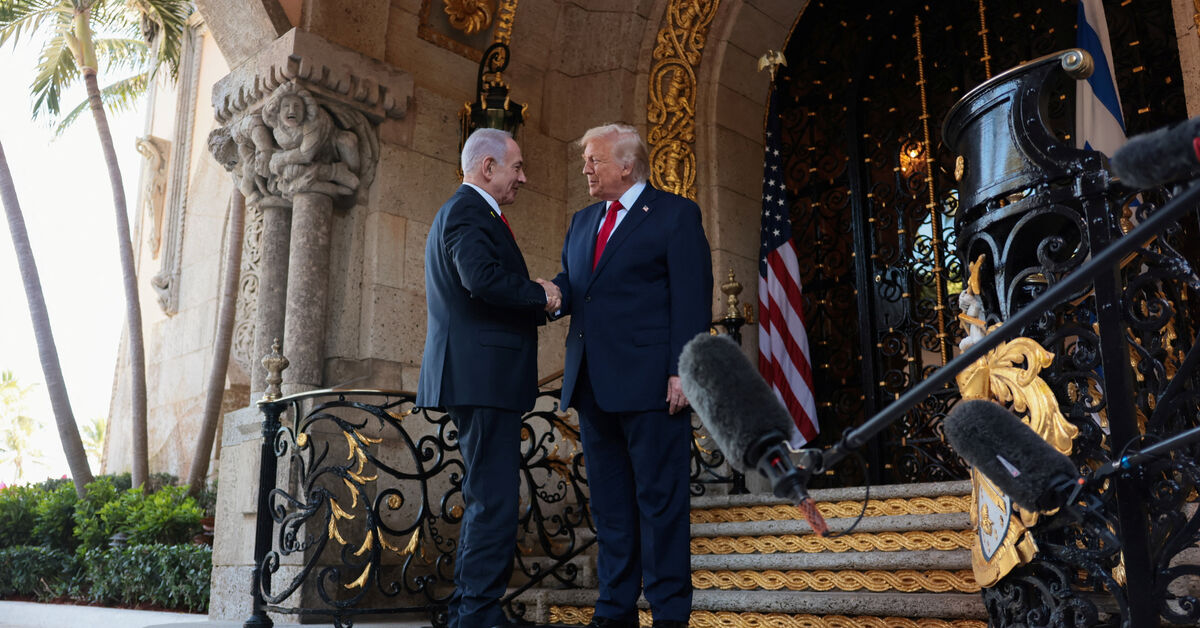
US President Trump indicated willingness to talk with Iran while maintaining a firm stance against nuclear weapons, as regional tensions persist with Israeli raids in the West Bank, Houthi attacks on Saudi Arabia, and US military action against an Iranian tanker.
Intelligence analysis by Gemini 2.5 Flash

The Middle East remains a hotbed of geopolitical friction, with the US and Iran exchanging rhetoric and military actions, while the Israeli-Palestinian conflict sees increased raids and international recognition of heritage sites. Saudi Arabia also faces Houthi missile threats, highlighting widespread instability.
Imagine a big playground where some kids are arguing about toys, especially a powerful one. One big kid (US) says he's open to talking but won't let another kid (Iran) have the powerful toy. Meanwhile, other kids are having small fights, like one group (Israel) raiding another's homes (Palestinians), and another group (Houthis) shooting at a neighbor (Saudi Arabia). It's a busy morning with lots of disagreements.
Analysis
US-Iran Tensions: A Precarious Dialogue
The latest developments underscore a complex and volatile dynamic between the United States and Iran. President Trump's declaration of openness to talks with Iran, coupled with his firm stance against Tehran acquiring nuclear weapons, signals a dual approach of potential diplomacy alongside continued pressure. This rhetoric is immediately contrasted by Iran's foreign minister, who directly attributes regional insecurity, particularly in the vital Strait of Hormuz, to US breaches of agreements. This blame game highlights the deep-seated mistrust that complicates any path to resolution.
Further exacerbating the situation are direct military actions. The US military's intervention to disable a tanker attempting to circumvent the American blockade on Iranian ports demonstrates a tangible enforcement of sanctions, which Iran views as an act of economic warfare. The chilling threat from a top Iranian military commander, vowing a "one US soldier for every Iranian civilian" retaliation, elevates the stakes significantly, suggesting a readiness for direct confrontation should hostilities escalate. These exchanges create a highly combustible environment where miscalculation could have severe consequences.
Escalating Conflict in the Occupied West Bank
The Israeli-Palestinian conflict continues to simmer, with a notable surge in Israeli military operations in the West Bank. Reports of Israeli forces raiding approximately 70 homes and arresting around 50 Palestinians in Tal, near Nablus, illustrate a pattern of heightened enforcement and control. These actions are occurring amidst urgent appeals from human rights organizations to halt what they describe as settler 'pogroms,' indicating a deteriorating security and humanitarian situation for Palestinians in the occupied territories. The raids contribute to an atmosphere of fear and instability, further entrenching the cycle of violence and resentment.
In a related development, UNESCO's decision to add the archaeological site of Sebastia, located in the Israeli-occupied West Bank, to both its World Heritage List and the List of World Heritage in Danger, carries significant symbolic and political weight. This designation not only recognizes the site's universal value but also draws international attention to the threats it faces, implicitly acknowledging the precarious status of cultural heritage under occupation. Such international recognition can intensify diplomatic pressure and highlight the broader implications of the conflict beyond immediate security concerns.
Regional Instability and Proxy Engagements
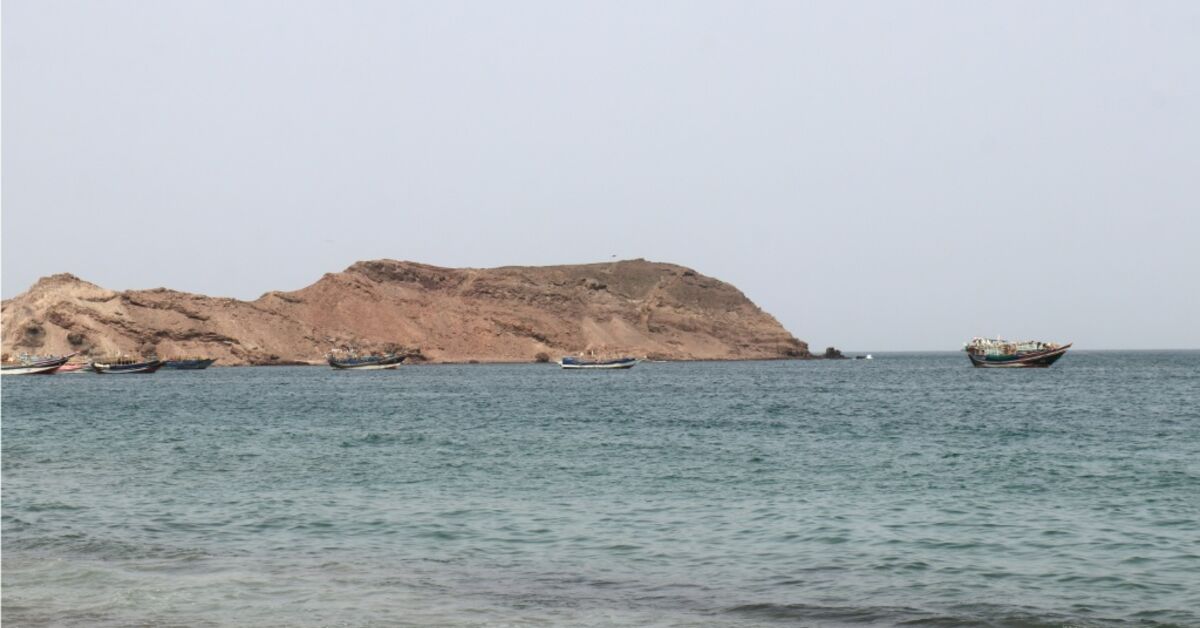
Beyond the immediate US-Iran and Israeli-Palestinian flashpoints, the broader Middle East remains gripped by interconnected conflicts. Saudi Arabia's issuance of three consecutive alerts in Yanbu governorate following a Houthi claim of a missile attack underscores the ongoing proxy conflict in Yemen, which frequently spills over into Saudi territory. These attacks, often targeting critical infrastructure, represent a persistent threat to regional energy security and stability, drawing in international actors and further complicating diplomatic efforts.
The US stance on the International Criminal Court (ICC) also adds another layer to the geopolitical landscape. Washington's assertion that the removal of Karim Khan as chief prosecutor will not affect its plans to dismantle the institution signals a continued rejection of the ICC's jurisdiction and authority, particularly concerning potential investigations involving US personnel or allies. This position reflects a broader trend of unilateralism in certain foreign policy areas, which can undermine international legal frameworks and further polarize global responses to conflicts and human rights issues in the Middle East and beyond.
Key points
- US President Trump expressed openness to talks with Iran but reiterated opposition to Iranian nuclear weapons.
- Iran's foreign minister blamed US actions for insecurity in the Strait of Hormuz.
- Israeli forces conducted extensive raids and arrests in the Palestinian town of Tal amid calls to stop settler 'pogroms'.
- UNESCO added the archaeological site of Sebastia in the occupied West Bank to its World Heritage and World Heritage in Danger lists.
- Saudi Arabia issued alerts following a Houthi missile attack claim on Yanbu governorate.
- The US military disabled a tanker attempting to evade the American blockade on Iranian ports.
- An Iranian military commander threatened retaliation for any Iranian civilian deaths caused by US attacks.
The stated willingness of US President Trump to engage in talks with Iran, despite ongoing tensions, offers a glimmer of hope for de-escalation through diplomatic channels. If these talks materialize and progress, they could potentially lead to a reduction in military confrontations and a more stable regional environment.
The continued military actions, such as the US firing on an Iranian tanker and the Iranian commander's threat of retaliation, alongside escalating Israeli raids and Houthi attacks, suggest a high risk of further conflict. The deep mistrust and conflicting objectives between key regional players could easily lead to a broader and more destructive confrontation.
Market signals
- OIL Insecurity in the Strait of Hormuz and the US blockade on Iranian ports create supply-route risks, pushing oil prices higher.
AI-generated analysis of potential market relevance. Not financial advice.