Houthis vow retaliation for Saudi strikes as conflict deepens
Iran-backed Houthi rebels threatened to retaliate after Saudi Arabia struck their military targets in Hodeida, with both sides trading attacks on Red Sea shipping.
Intelligence analysis by Llama
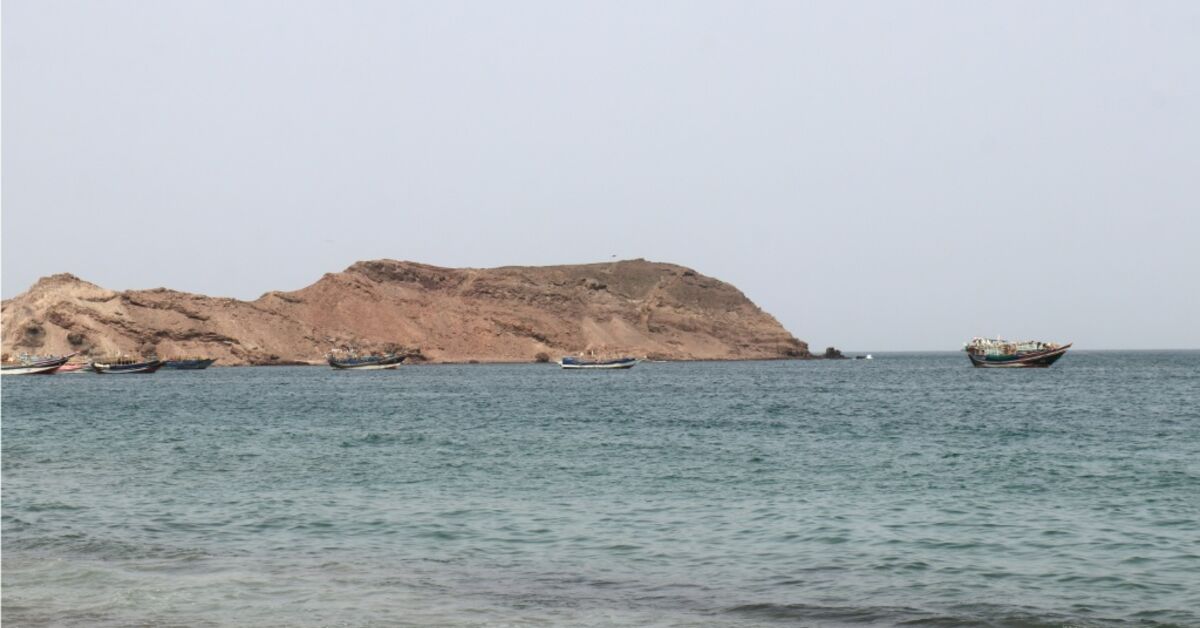
The Houthi-Saudi exchange marks a new front in a widening Middle East war triggered by US-Israeli strikes on Tehran in February, threatening to upend Saudi oil exports that now depend almost entirely on the Red Sea.
The Houthis, a group in Yemen, and Saudi Arabia are fighting each other. Saudi Arabia bombed some Houthi places, and the Houthis say they'll fight back. This matters because ships carry Saudi oil through nearby waters, and if fighting makes the sea dangerous, less oil reaches other countries — like if the road to a market was blocked, fewer groceries would get to your house.
Analysis
A second front opens against the kingdom
The Houthi-Saudi exchange is the latest ripple from the US-Israeli strikes on Tehran in February, which set off a cascade of regional retaliation. Iran's parallel blockade of the Strait of Hormuz forced Saudi Arabia to reroute nearly all of its seaborne crude exports through the Red Sea, and now the Houthis have opened a second front, claiming attacks on Saudi ships and announcing a maritime blockade of their own. The Houthi statement via their Ansarollah media on Telegram accused Saudi Arabia of "targeting civilian facilities in Hodeida and Kamaran island" and promised that "these recent crimes will not go unanswered." Saudi coalition spokesman Turki al-Maliki framed the strikes as a "decisive and strong response" to attacks on commercial shipping, and the coalition declared its "military response is now over" — a statement that now looks like a challenge to the Houthis rather than a closure.
The Red Sea becomes Saudi Arabia's lifeline
The geography of this conflict makes the stakes unusually high for global energy markets. With the Strait of Hormuz under Iranian pressure, the Red Sea has become Saudi Arabia's essential export corridor. According to Kpler data cited in the report, all Saudi seaborne crude exports in April and May departed from the Yanbu Red Sea port, representing 92 percent of seaborne crude exports in June and 78 percent so far in July. The Houthi announcement that they would target any Saudi vessel not complying with their blockade directly threatens this critical artery. Saudi state media confirmed that the vessel NCC MASA, owned by a Saudi company, was targeted in the Red Sea, resulting in minor hull damage, though the ship reportedly resumed its course.
A fragile truce gives way to escalation
The Houthi conflict with Yemen's internationally recognized government has killed hundreds of thousands since 2014, but a 2022 truce had largely held even after expiring. The current exchange of fire threatens to shatter that fragile calm. Two people were reported wounded — a Hodeida port worker and a woman on Kamaran island — and Hodeida residents reported hearing explosions near the port and a naval base at Ras al-Kathib. The risk is that tit-for-tat strikes between Saudi Arabia and the Houthis pull the broader region deeper into open conflict, with both Iran and the Houthis now using Saudi oil export routes as leverage. Whether the coalition's claim that its response is finished holds depends on whether the Houthis carry through on their vow of retaliation.
Key points
- Houthis vowed retaliation after Saudi Arabia struck military targets in Hodeida and Kamaran island, with two people reported wounded.
- The exchange follows Houthi claims of attacks on Saudi ships and a Houthi-announced maritime blockade; Saudi Arabia confirmed one Red Sea strike on the vessel NCC MASA.
- The flare-up is a new front in a regional war triggered by US-Israeli strikes on Tehran in February, layered on top of Iran's blockade of the Strait of Hormuz.
- Red Sea shipping now carries nearly all Saudi seaborne crude exports — 92 percent in June and 78 percent so far in July, per Kpler data — making the corridor strategically critical.
- The exchange threatens the 2022 Houthi-Saudi truce that had held even after formally expiring.
The Saudi-led coalition said its military response is now over, and the targeted vessel NCC MASA reportedly resumed its course after only minor hull damage, suggesting both sides are signaling some restraint. The 2022 truce, though expired, held for years after its formal end, indicating the parties have historically found ways to de-escalate.
The Houthis have explicitly vowed that the Saudi strikes will "not go unanswered," and a 2022 truce that had held despite expiring is now under direct strain. With Iran simultaneously pressuring the Strait of Hormuz, Saudi Arabia faces a credible risk of losing effective use of both its main maritime oil export routes at once, potentially choking seaborne crude flows that account for the vast majority of its outbound supply.
Market signals
- OIL Houthi threats to Red Sea shipping compound Iran's Strait of Hormuz pressure, putting both Saudi maritime export corridors at risk and tightening seaborne crude supply.
- XAU A widening Middle East war with both Saudi oil routes under simultaneous threat supports safe-haven demand for gold.
AI-generated analysis of potential market relevance. Not financial advice.