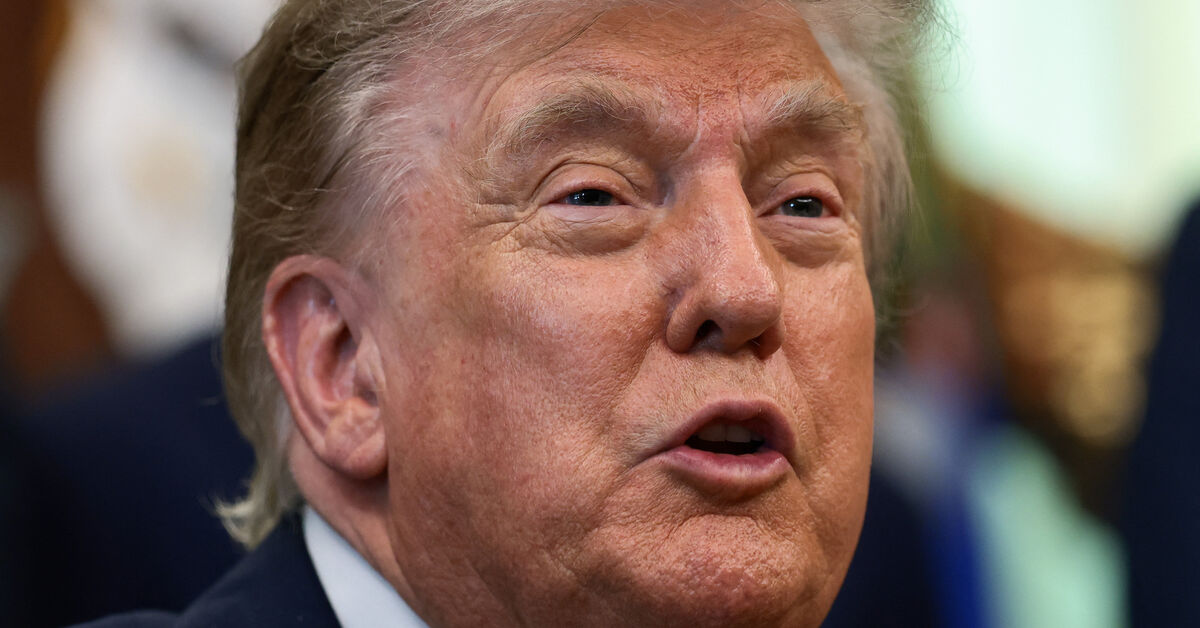
Trump Weighs Harder Iran Strikes as Conflict Widens
US President Donald Trump said he had not yet decided whether to launch major strikes on Iran, as the renewed conflict threatened to widen across the region with Saudi Arabia striking Yemen's Iran-backed Houthi rebels.
Intelligence analysis by Llama
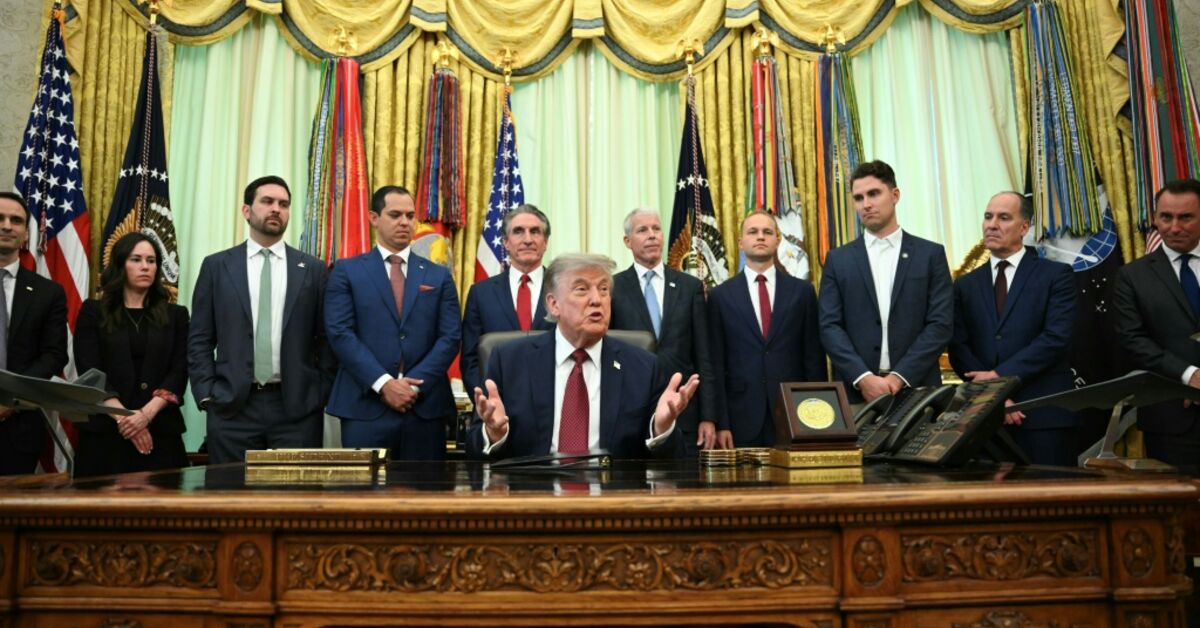
US President Donald Trump said he would hold off on a major operation as Tehran was now getting 'serious' in talks with Washington, for now dialing back reports that he was increasingly frustrated with the state of the war and mulling a large-scale military operation against Iran.
Imagine you're playing a game of chess with someone, and you're not sure if they're going to make a big move or not. That's kind of what's happening with the US and Iran right now. The US is thinking about making a big move against Iran, but Iran is trying to talk to the US and figure things out. It's a delicate balance, and it's hard to predict what will happen next.
Analysis
Trump's Iran Strategy: A Delicate Balance
US President Donald Trump's decision on whether to launch major strikes on Iran is a complex one, with significant implications for regional security and global oil markets. Trump's comments in the Oval Office suggest that he is holding off on a major operation, at least for now, as Tehran is getting 'serious' in talks with Washington. This development is a significant shift from earlier reports that Trump was increasingly frustrated with the state of the war and was mulling a large-scale military operation against Iran.
The conflict between the US and Iran has been ongoing for nearly five months, with the US carrying out strikes to stop Iran closing the crucial Strait of Hormuz. Iran has responded with strikes on US bases that have killed four service members. The Iranian military has also carried out attacks targeting US military assets in Bahrain, Jordan, and Kuwait in retaliation for Washington's latest strikes.
The Role of Russia and China
Trump's comments also suggest that Russia and China are not arming Iran, despite reports that both countries were feeding Tehran intelligence to target US forces. Trump said that he trusts both President Xi Jinping and President Vladimir Putin, and that they would not want to have him disappointed. This development is significant, as it suggests that the US may be able to isolate Iran diplomatically and prevent it from receiving further support from other countries.
The Impact on Oil Markets
The conflict between the US and Iran has significant implications for global oil markets. The price of oil has risen to over $100 per barrel for the first time since May, following reports of Houthi tanker strikes and Trump's threats. The Saudi-led coalition has also launched strikes on Yemen's Houthi-held Hodeida, in response to the rebels' declaration of a maritime blockade of Saudi Arabia. This development is significant, as it threatens the ability of the world's top oil exporter to supply global markets.
The Road Ahead
The conflict between the US and Iran is likely to continue, with significant implications for regional security and global oil markets. Trump's decision on whether to launch major strikes on Iran will be a crucial one, and will have significant implications for the future of the region.
Key points
- US President Donald Trump said he had not yet decided whether to launch major strikes on Iran.
- Tehran is getting 'serious' in talks with Washington, for now dialing back reports that Trump was increasingly frustrated with the state of the war and mulling a large-scale military operation against Iran.
- The conflict between the US and Iran has been ongoing for nearly five months, with the US carrying out strikes to stop Iran closing the crucial Strait of Hormuz.
- Iran has responded with strikes on US bases that have killed four service members.
- The Iranian military has also carried out attacks targeting US military assets in Bahrain, Jordan, and Kuwait in retaliation for Washington's latest strikes.
If the US and Iran can come to a agreement, it could lead to a reduction in tensions and a decrease in the price of oil. Additionally, if the conflict can be resolved peacefully, it could lead to increased economic cooperation between the two countries.
If the US and Iran are unable to come to an agreement, it could lead to a further escalation of the conflict, with significant implications for regional security and global oil markets. Additionally, if the conflict continues to escalate, it could lead to a significant increase in the price of oil, which could have a negative impact on the global economy.