Morocco: These Women Who Drive the Economy
Women in Morocco now hold 29% of board seats in listed companies, with a new law effective January 1, 2024, mandating at least 30% representation in governance bodies of public limited companies.
Intelligence analysis by Gemini 2.5 Flash
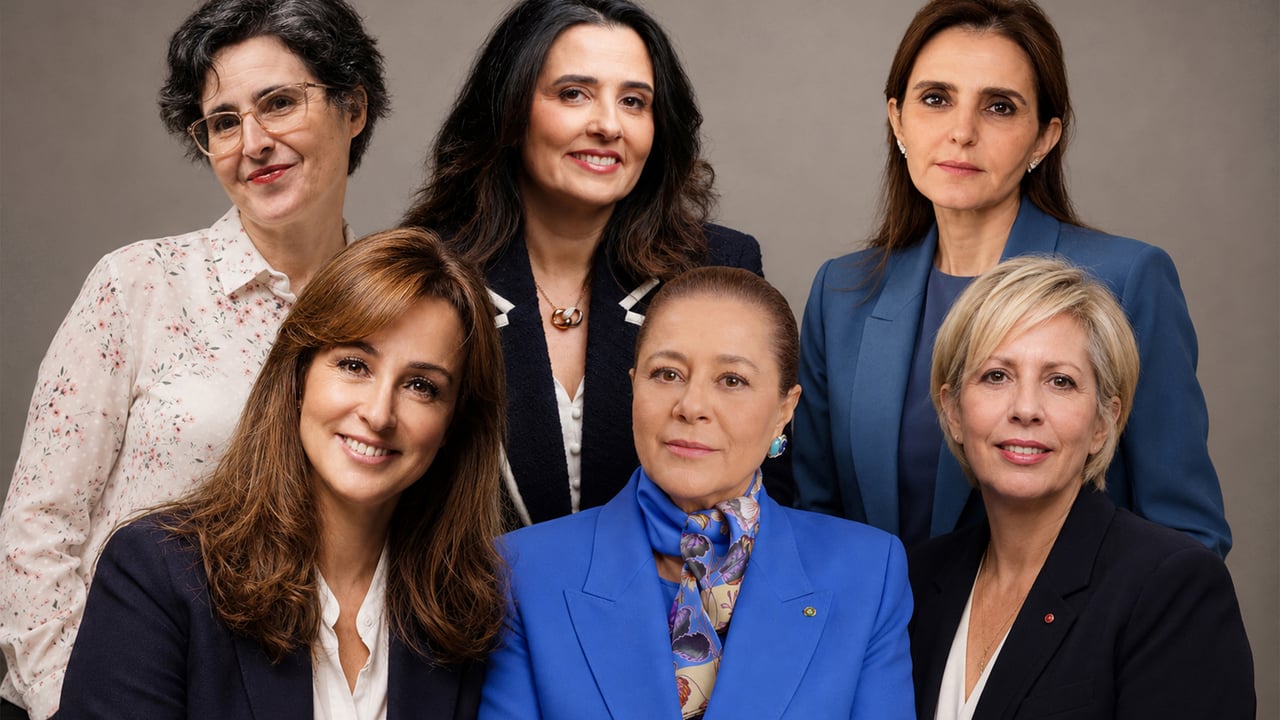
The article spotlights the increasing presence and influence of women in Morocco's corporate leadership, particularly in finance, banking, and pharmaceuticals. It notes a recent regulatory change requiring greater female representation on company boards, underscoring a national push for gender diversity in the economy.
Imagine big companies in Morocco are like giant teams, and more and more women are getting important jobs as team leaders. Now, there's even a new rule that says at least 3 out of every 10 top leaders in some big companies must be women, helping them make big decisions for the country's money matters.
Analysis
29 Percent
The current state of female representation in Moroccan listed companies is 29% on their boards of directors. This figure, while significant, indicates a substantial presence of women in high-level corporate roles across various sectors. Their involvement spans critical industries such as finance, banking, and the pharmaceutical sector, demonstrating a growing influence in the kingdom's economic landscape. This level of representation reflects a gradual but consistent integration of women into leadership positions, moving beyond traditional roles to impact strategic decision-making. The article highlights this existing foundation as a precursor to further advancements in gender parity within the corporate sphere.
30 Percent
A pivotal regulatory change came into effect on January 1, 2024, mandating that women must constitute at least 30% of the governance bodies in public limited companies that appeal to public savings. This new requirement signifies a deliberate policy push to accelerate gender diversity at the highest echelons of Moroccan businesses. The initiative, supported by entities like the General Confederation of Moroccan Enterprises (CGEM) and the Moroccan Capital Market Authority (AMMC), aims to formalize and enforce greater female participation. This quota is expected to drive companies to actively seek and promote qualified women into leadership roles, fostering a more inclusive corporate environment.
Nadia Fassi Fehri
The article features several prominent female executives, including Nadia Fassi Fehri, Lamia Tazi, Naziha Belkeziz, Noufissa Kessar, Miriem Bensalah Chaqroun, and Nezha Hayat. These individuals are presented as key figures who are actively shaping Morocco's economy through their leadership in major Moroccan groups. While specific details of their individual achievements are not fully accessible in the provided snippet, their collective mention underscores the growing recognition of women's contributions at the helm of significant enterprises. Their presence serves as an inspiration and a testament to the evolving landscape of corporate leadership in the country.
Key points
- Women currently hold 29% of board seats in Moroccan listed companies.
- A new law, effective January 1, 2024, mandates 30% female representation in governance bodies of public limited companies.
- Female leaders are increasingly prominent in key sectors like finance, banking, and pharmaceuticals.
- The article highlights six influential female executives who are shaping Morocco's economy.
The new 30% quota for female representation in corporate governance bodies could lead to more diverse decision-making, potentially improving corporate performance and fostering greater innovation. This policy could also inspire more women to pursue leadership roles, further strengthening Morocco's economic inclusion and development.