Mousavi commends Iranian people for disappointing enemies
IRGC Aerospace Force commander Seyyed Majid Mousavi thanked Iranians for 100 days of steady presence and actions that he said frustrated enemies.
Intelligence analysis by GPT-5.4 Mini

Mousavi framed the past 100 days as a test of national resolve, praising the public, especially women, for sustaining resistance. He said Iran should keep linking the battlefield, the streets and diplomacy into one strategy.
A military boss thanked people for staying strong for 100 days during a hard time. He said they were like a team carrying a long relay race, and he praised women too. He also said fighting, public support, and talks should all work together.
Analysis
Mousavi's message
Brigadier General Seyyed Majid Mousavi, commander of the IRGC Aerospace Force, issued a statement thanking the Iranian people for what he described as 100 days of steadfast presence during a critical period. In his account, that public presence and the broader pattern of activity on the ground helped "disappoint" the enemy.
He said the people understood the weight of their responsibility at a decisive moment and turned that understanding into action. The article presents his remarks as praise for collective endurance rather than for a single military event. Mousavi also said the IRGC was honored to stand alongside the public during the 40 days of war, but stressed that the people's own actions continued far beyond that period.
Women and strategy
Mousavi singled out Iranian women, saying they acted as important standard-bearers of resistance despite family responsibilities. He then urged that the current path be preserved for as long as the Leader of the Islamic Revolution decides.
A key part of his message was strategic: he called for linking the battlefield, the streets, and diplomacy into a unified approach. In the article's framing, that means military pressure, public mobilization, and external negotiations should be tied together rather than treated separately. He argued that this national synergy would bring honor and dignity not only to Iran but to the wider Islamic world.
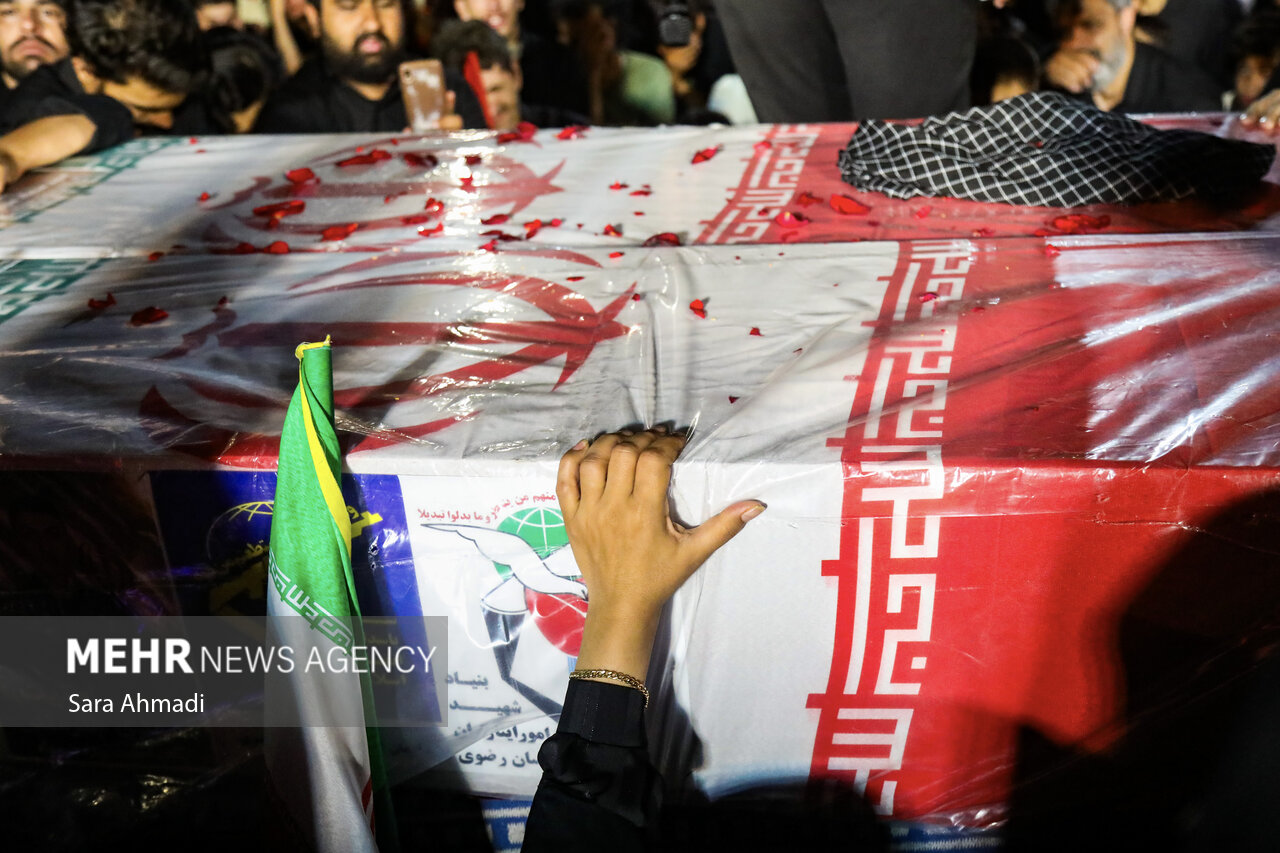
The article closes by tying his remarks to the ongoing 100-day period of daily gatherings across Iran, which it describes as continuing after the war was imposed by the "US-Israeli war machine."
Key points
- IRGC Aerospace Force commander Seyyed Majid Mousavi thanked Iranians for 100 days of steadfast presence.
- He said the public's actions and operations disappointed the enemy during a critical period.
- Mousavi specifically praised Iranian women as important standard-bearers of resistance.
- He called for linking the battlefield, the streets and diplomacy into a unified strategy.
- The article frames the period as part of a US-Israeli war of aggression on Iran.
If the public support Mousavi praises continues, the article suggests Iran's leadership may see that as proof of national unity under pressure. His call to connect military, street, and diplomacy could also support a more coordinated response if that alignment holds.
The article also implies a long and exhausting mobilization, with 100 days of resistance still underway. If public endurance fades or the military, street, and diplomatic tracks do not stay aligned, the strategy Mousavi describes could weaken.