Namo Bharat stations at Sarai Kale Khan, New Ashok Nagar in Delhi to remain closed till October 10
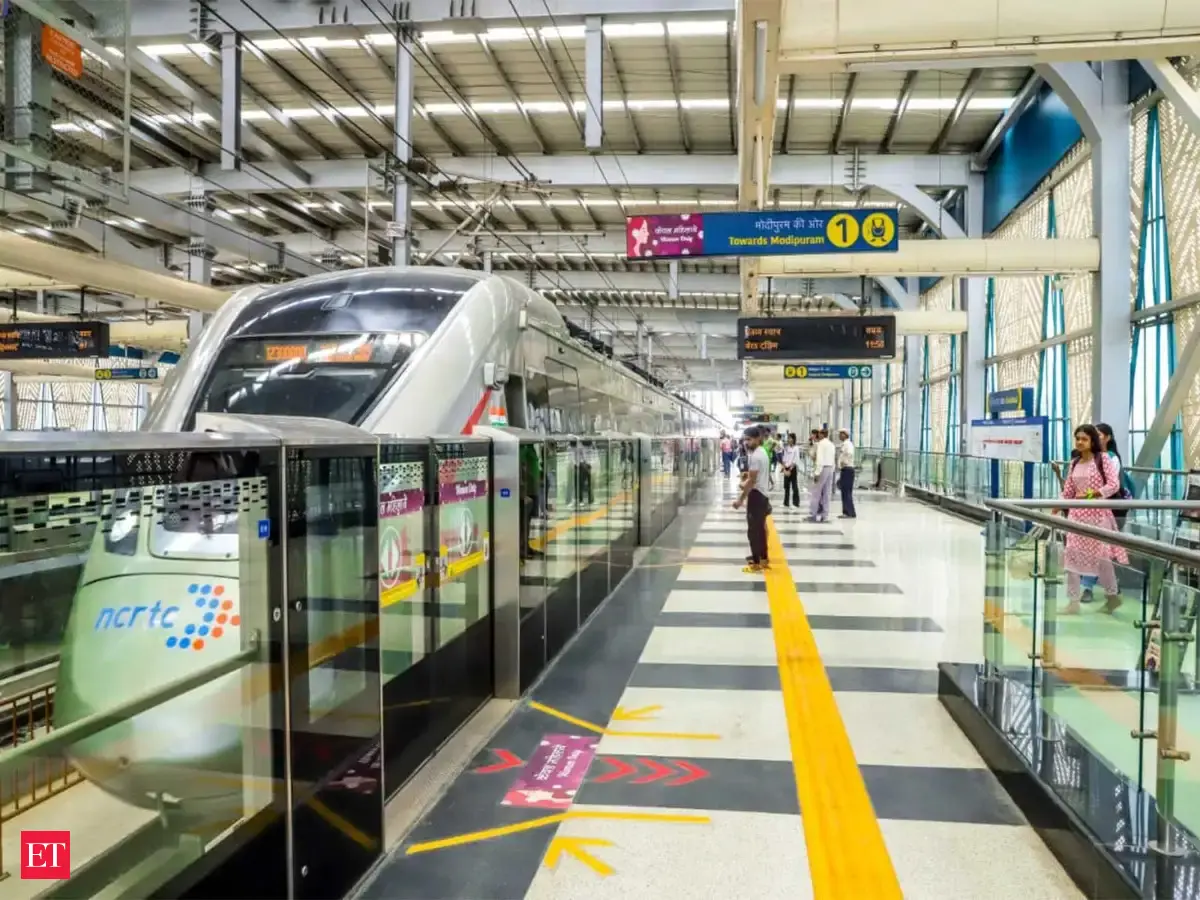
Two Namo Bharat stations in Delhi, Sarai Kale Khan and New Ashok Nagar, will be closed from October 9 evening until October 10 night due to security concerns related to anticipated protests.
Intelligence analysis by Gemini 2.5 Flash
Delhi authorities have announced the temporary closure of two key Namo Bharat stations and numerous Delhi Metro stations, alongside the cancellation of several Indian Railways trains, in response to planned youth-led protests at Jantar Mantar. These measures, requested by Delhi Police, aim to manage crowd movement and maintain law and order, causing significant disruption to public tr…
Imagine a big city where trains and subways help everyone get around. But sometimes, when lots of people plan to gather for a protest, the police worry it might get too crowded or a bit messy. So, to keep everyone safe and things calm, they've decided to temporarily close some train and subway stations, like turning off a few rides at an amusement park for a day. This means people need to find other ways to travel for a short time.
Analysis
The National Capital Region Transport Corporation (NCRTC) has announced the temporary closure of two crucial Namo Bharat stations, Sarai Kale Khan and New Ashok Nagar, in Delhi. This closure is effective from 9 pm on October 9 until 10 pm on October 10. While these specific stations will be inaccessible, the broader Namo Bharat train services between Anand Vihar in Delhi and Modipuram in Uttar Pradesh are slated to continue operating as per their regular schedule. Passengers are advised to adjust their travel plans accordingly, as the closures are a direct response to security advisories issued by Delhi Police.
Jantar Mantar
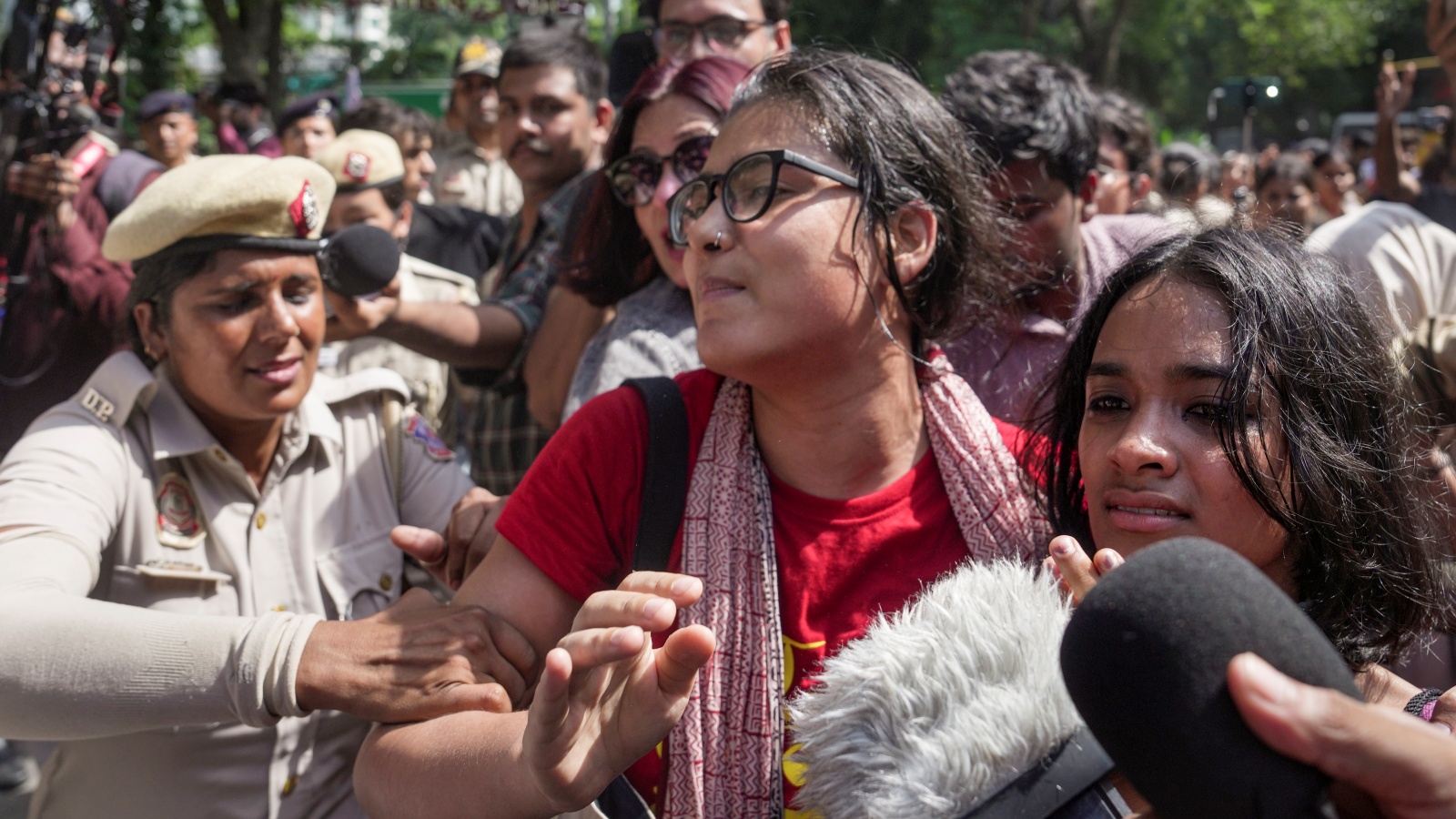
The primary catalyst for these extensive transport disruptions is a planned youth-led protest at Jantar Mantar on October 10, organized by the Cockroach Janta Party (CJP). The protest, spearheaded by CJP's Abhijeet Dipke, is centered on allegations of "vote theft" and demands the resignation of Chief Election Commissioner Gyanesh Kumar. Dipke has indicated that if the Chief Election Commissioner does not resign, party supporters from across the country intend to march to Delhi and protest at Jantar Mantar. The Delhi Police have cited the possibility of unruly crowds moving towards sensitive areas as a key reason for the security measures.
Delhi Metro
In addition to the Namo Bharat station closures, the Delhi Police have also requested the Delhi Metro Rail Corporation (DMRC) to implement significant restrictions across the metro network. A letter dated October 8 from the police asked DMRC to reduce train frequency and close entry and exit gates at 57 metro stations from 9 pm on October 9 until the situation normalizes on October 10. This advisory covers a wide array of stations, including major hubs like Rajiv Chowk, Central Secretariat, New Delhi, Kashmere Gate, and Mandi House, affecting multiple metro lines. The DMRC confirmed these closures, stating that entry and exit at the concerned stations would remain closed for security reasons, though interchange facilities would largely remain available, except at New Delhi station. Furthermore, Indian Railways has canceled all Mail and Express trains scheduled to arrive at New Delhi and Hazrat Nizamuddin railway stations between 4 am and 2 pm on October 10, citing potential severe road traffic congestion around these stations.
Key points
- Namo Bharat stations at Sarai Kale Khan and New Ashok Nagar will close from 9 pm on October 9 to 10 pm on October 10.
- The closures are due to security concerns related to anticipated youth-led protests at Jantar Mantar on October 10.
- Delhi Police requested the closure of 57 Delhi Metro stations and reduced train frequency for the same period.
- Indian Railways has canceled Mail and Express trains arriving at New Delhi and Hazrat Nizamuddin stations on October 10.
- Namo Bharat services between Anand Vihar and Modipuram will continue to operate as scheduled despite the station closures.
The temporary closures of transport hubs and metro stations, while inconvenient, are a proactive measure by Delhi Police to prevent potential unrest and ensure public safety during planned protests. This strategic action aims to maintain law and order, potentially averting larger disruptions or conflicts that could arise from large crowd movements.
The widespread transport disruptions, including metro station closures and train cancellations, will cause significant inconvenience for thousands of daily commuters and travelers in Delhi. Such measures also highlight underlying tensions and the potential for civil unrest, impacting the city's normal functioning and public perception of stability.