Narendra Modi to Reform India's Education System Amidst Kakerlaken Movement Protests
Indian Prime Minister Narendra Modi has announced plans to reform the country's education system following widespread protests by the Kakerlaken movement. The protests were sparked by a cheating scandal in a medical entrance exam and errors in the online evaluation of nea…
Intelligence analysis by Llama
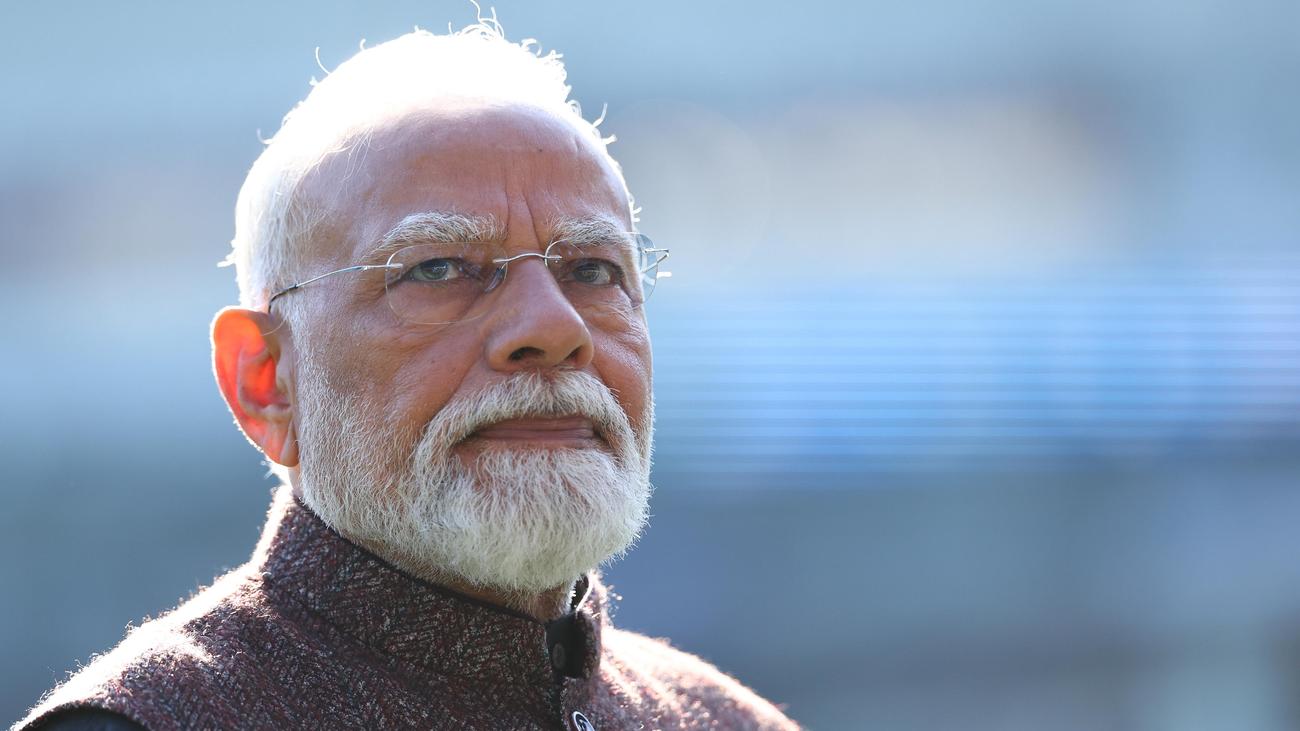
India's Prime Minister Narendra Modi has pledged to reform the country's education system after protests by the Kakerlaken movement. The movement, which emerged in response to a cheating scandal, has been calling for greater transparency and accountability in the education system.
Imagine you're taking a test to get into a good school, but someone has leaked the questions beforehand. That's what happened in India, where thousands of students were upset about a cheating scandal. They formed a movement called the Kakerlaken, which means 'cockroach' in English. They wanted the government to fix the education system so that everyone has a fair chance of getting into a good school. The government listened and promised to make changes.
Analysis
A $60B Vote of Confidence
The Kakerlaken movement's protests have been a major challenge for Prime Minister Narendra Modi's government, which has been accused of being out of touch with the concerns of young Indians. The movement's demands for greater transparency and accountability in the education system have resonated with many Indians, who are calling for a more reliable and efficient education system. The protests have also highlighted the need for reform in India's education system, which has been plagued by cheating scandals and errors in the online evaluation of students.
Why Cursor?
The Kakerlaken movement's emergence has been driven by a sense of frustration and disillusionment among young Indians, who feel that the education system is not serving their needs. The movement's demands for greater transparency and accountability in the education system have been driven by a desire to create a more level playing field, where all students have an equal chance of success. The movement's use of social media has also allowed it to mobilize support and raise awareness about its demands, which has helped to galvanize public opinion behind the movement.
The Road Ahead
The Kakerlaken movement's protests have been a major challenge for Prime Minister Narendra Modi's government, which has been accused of being out of touch with the concerns of young Indians. The movement's demands for greater transparency and accountability in the education system have resonated with many Indians, who are calling for a more reliable and efficient education system. The movement's emergence has also highlighted the need for reform in India's education system, which has been plagued by cheating scandals and errors in the online evaluation of students.
Key points
- The Kakerlaken movement emerged in response to a cheating scandal in a medical entrance exam.
- The movement has been calling for greater transparency and accountability in the education system.
- The government has promised to reform the education system, but it remains to be seen whether the promised reforms will be implemented effectively.
- The Kakerlaken movement's demands have resonated with many Indians, who are calling for a more reliable and efficient education system.
If the government follows through on its promises, the education system in India could become more reliable and efficient, giving students a fair chance of success. This could lead to a more educated and skilled workforce, which could drive economic growth and improve living standards.
However, the government's response to the Kakerlaken movement's demands has been slow, and it remains to be seen whether the promised reforms will be implemented effectively. If the education system is not reformed, the Kakerlaken movement could continue to grow, leading to further protests and instability.