Nearly 170 mainland Chinese motorists expected in Hong Kong under expanded scheme
Hong Kong has expanded its Southbound Travel for Guangdong Vehicles scheme to include five more mainland Chinese cities, doubling the daily quota for urban trips to 200. This initiative is expected to bring nearly 170 motorists on Saturday, with hotels offering special pa…
Intelligence analysis by Gemini 2.5 Flash
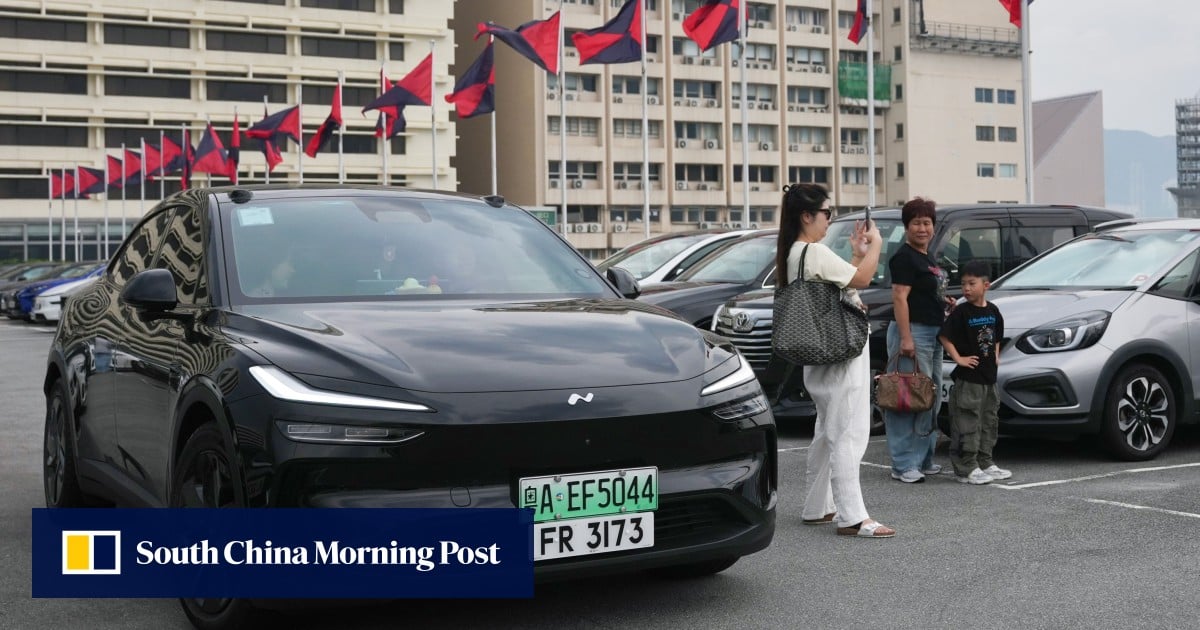
Hong Kong has broadened its cross-border travel scheme, allowing more private vehicles from mainland China's Greater Bay Area to enter the city. The initiative, which now covers nine cities and has seen its daily quota increase, aims to boost tourism and economic activity, with local businesses already adapting to welcome the influx of visitors.
Imagine Hong Kong is like a super fun amusement park, and people from nearby cities in China want to visit. Before, it was a bit tricky to drive your own car there. Now, the rules are changing, making it much easier for more people from more cities to drive their cars to Hong Kong! Hotels are even making special deals with parking spots, just like how a toy store might have special offers for new customers. It's like opening up more lanes on a highway so more cars can get to the park faster and easier.
Analysis
Broadening Cross-Border Connectivity
The expansion of the Southbound Travel for Guangdong Vehicles scheme marks a significant step in enhancing connectivity between Hong Kong and mainland China's Greater Bay Area. By adding five new cities—Shenzhen, Foshan, Dongguan, Huizhou, and Zhaoqing—to the existing four, the scheme now encompasses a total of nine key economic hubs. This move is designed to facilitate easier travel for mainland residents, allowing them to drive their private vehicles directly into Hong Kong. The Secretary for Transport and Logistics, Mable Chan, highlighted the strong interest, noting that applications under the expanded scheme were three times the available quota, with 60% originating from the newly included cities. This enthusiastic response underscores the demand for more convenient cross-border travel options.
The initiative is not merely about increasing vehicle traffic; it represents a broader strategy to integrate Hong Kong more closely with the economic powerhouse of the Greater Bay Area. By simplifying travel logistics, the scheme aims to encourage more frequent visits, fostering cultural exchange and strengthening economic linkages. This policy aligns with Beijing's vision for a highly integrated and prosperous Greater Bay Area, positioning Hong Kong as a crucial gateway and service hub within this mega-region. The increased accessibility could lead to a more dynamic flow of people and capital, benefiting various sectors in Hong Kong.
Economic Boost for Hong Kong's Tourism
A primary objective of this expanded scheme is to inject vitality into Hong Kong's tourism and hospitality sectors. With nearly 170 mainland Chinese motorists anticipated on the first Saturday of the expanded scheme, local businesses are already gearing up to capitalize on this new wave of visitors. Hotels, for instance, are proactively rolling out comprehensive packages that include accommodation, dining, shopping incentives, and crucial parking facilities. This proactive approach by the hospitality industry demonstrates an expectation of increased demand and spending from these self-driving tourists.
The doubling of the daily urban trip quota to 200 further indicates the government's commitment to supporting this economic stimulus. Mainland Chinese tourists are a vital source of revenue for Hong Kong's retail, F&B, and entertainment industries. By making it easier for them to visit with their own vehicles, the scheme offers a new dimension to their travel experience, potentially encouraging longer stays and greater expenditure. This direct access could also appeal to a different segment of the mainland tourist market, those preferring the flexibility and convenience of private transport over public options.
Future Implications for Regional Integration
The success and further expansion of the Southbound Travel for Guangdong Vehicles scheme could set a precedent for deeper regional integration within the Greater Bay Area. As more mainland residents gain direct access to Hong Kong, it could lead to increased cross-border commerce, investment, and cultural exchange. The scheme's initial success, as evidenced by the high application rates, suggests a strong appetite for such initiatives. This could pave the way for similar programs or further relaxations in travel restrictions, gradually blurring the administrative boundaries within the region.
However, the increased influx of vehicles also presents logistical challenges for Hong Kong, particularly concerning urban traffic management and parking infrastructure. While hotels are offering parking packages, the long-term sustainability of accommodating a significantly larger volume of private vehicles will require careful planning and investment in urban infrastructure. Nevertheless, the overall trajectory points towards a more interconnected Greater Bay Area, with Hong Kong playing an increasingly accessible role for its mainland neighbors, fostering a shared economic future.
Key points
- Hong Kong's "Southbound Travel for Guangdong Vehicles" scheme has expanded to five new mainland Chinese cities.
- The daily quota for urban trips to Hong Kong has doubled to 200.
- Nearly 170 mainland motorists are expected on the first Saturday of the expanded scheme.
- Nine Greater Bay Area cities are now eligible for the cross-border travel program.
- Hong Kong hotels are offering special packages including accommodation, dining, shopping, and parking to attract these new visitors.
The expanded scheme is expected to significantly boost Hong Kong's tourism and hospitality sectors, with hotels already preparing special packages to attract mainland visitors. This increased accessibility could lead to higher spending from tourists, stimulating local businesses and strengthening Hong Kong's economy.
While the scheme aims to boost tourism, a significant increase in private vehicles could strain Hong Kong's urban infrastructure, leading to potential traffic congestion and parking challenges. Managing the influx of vehicles and ensuring smooth cross-border operations will be crucial to avoid negative impacts on local residents and the environment.