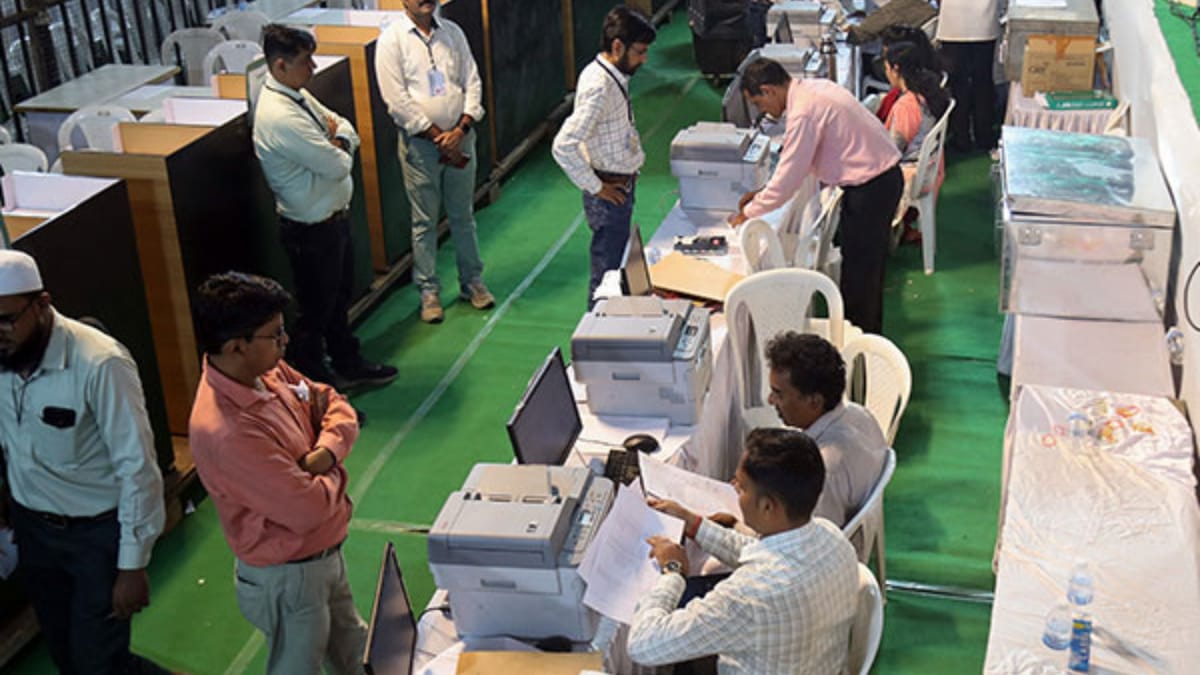
NEET PG 2026: Single-Shift Paper, Centres Near Home — NTA Issues Rs 7.5 Crore Security Tender After Paper Leak
India's Health Ministry has announced sweeping security and procedural reforms for NEET PG 2026, including a Rs 7.5 crore tender for round-the-clock protection of NTA offices and 24-hour security at sensitive locations.
Intelligence analysis by Llama
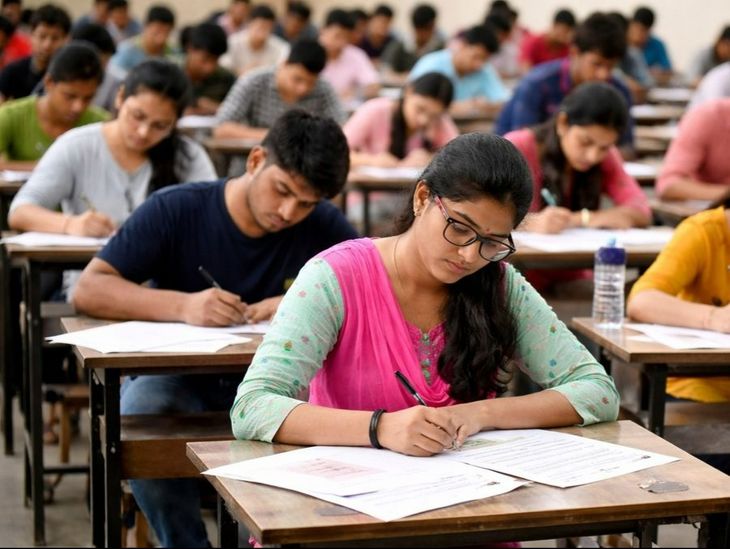
Following the NEET-UG 2026 paper leak, the National Testing Agency has issued a Rs 7.5 crore security tender covering its headquarters and sensitive sites. NEET PG 2026, scheduled for August 30 with 2.73 lakh registered candidates across 1,300 centres, will feature Aadhaar verification, iris scanning, 60,000+ personnel, and sectioned question papers.
Imagine a huge test that decides who becomes a doctor in India. After some cheaters stole the paper last time, the people who run the test are now spending millions on guards, cameras, and eye scanners to make sure no one sneaks in with answers. They'll even check your Aadhaar ID before letting you sit down.
Analysis
A Rs 7.5 Crore Bet on Trust
The headline number in this story is the Rs 7.5 crore tender floated by the National Testing Agency on July 25, with bids due August 17 and a two-year contract on offer. According to the report, the winning agency will be tasked with 24-hour security at the NTA headquarters and other sensitive locations tied to the exam ecosystem. The size of the contract is itself a tell: after the NEET-UG 2026 paper leak, the agency is no longer just running an examination system, it is running a security operation. Putting that responsibility in the hands of a private contractor for two years also means the government is committing — in advance, and at a hard cost — to a visible, long-term guardrail against repeat embarrassments. The question is whether outsourced manpower can substitute for systemic reform inside NTA itself.
Biometric Lockdown at the Centre
Beyond the headline tender, the procedural changes are the more granular signal of intent. Candidates will now undergo Aadhaar-based verification on the day of the exam, with biometric matching — and, if fingerprints fail, an iris scan — required for entry, according to the report. Examinees are being asked to arrive two to three hours early, effectively lengthening exam day by a margin that makes last-minute substitution or impersonation harder. The 60,000+ personnel figure, combined with CCTV, signal jammers, and independent observers doing live monitoring, paints a picture of an exam designed to be audited in real time rather than reviewed after the fact. The trade-off, of course, is candidate convenience: an extra few hours of waiting, layered onto an already stressful day.
A Tougher Paper, a Narrower Window
The new exam pattern tightens how candidates interact with the paper itself. The 210-minute test is split into sections A, B, and C with strict time blocks, and once a section is submitted or its timer runs out, candidates cannot return, according to the report. Marking remains unforgiving: +4 for a correct answer, –1 for every wrong one, and zero for unattempted questions. The Health Ministry is also adding nearby centres and a single-shift format — likely an attempt to neutralise the 'distant centre, late-night bus, leak handoff' chain that has fuelled previous scandals. Whether the single-shift logistics hold for 2.73 lakh candidates across 1,300 centres and 340 cities is the operational stress test that will define the exam day.
Key points
- NTA has issued a Rs 7.5 crore tender for 24-hour security at its headquarters and sensitive locations, with a two-year contract.
- NEET PG 2026 is scheduled for August 30 with 2.73 lakh registered candidates, up 12.5% year-on-year.
- Exam will be held in a single shift across 1,300 centres in 340 cities.
- Candidates will undergo Aadhaar-based verification and biometric checks, with iris scanning as a fallback for failed fingerprints.
- 60,000+ personnel, CCTV, signal jammers, and independent observers will be deployed; the paper will be split into timed sections with no return once submitted.
If the security apparatus and biometric checks hold up on August 30, NEET PG 2026 could restore public confidence in a key medical entrance pathway and provide a working template for other high-stakes exams run by NTA. The 12.5% rise in registrations suggests aspirants themselves are already responding to the promise of a cleaner process.
A single point of failure in logistics — server crashes across 1,300 centres, biometric mismatches at scale, or a private security contractor that underperforms — could undermine the entire reform package on exam day itself. Outsourcing integrity to a two-year private contract also leaves the door open to familiar leak vectors if internal NTA controls do not keep pace.