Nevada energy company sues data center in first-of-its-kind fight over who should pay for AI buildout
Nevada's largest energy provider, NV Energy, is suing data center developer Tract Capital Management over who should pay for the massive energy infrastructure needed to power the AI boom.
Intelligence analysis by Llama
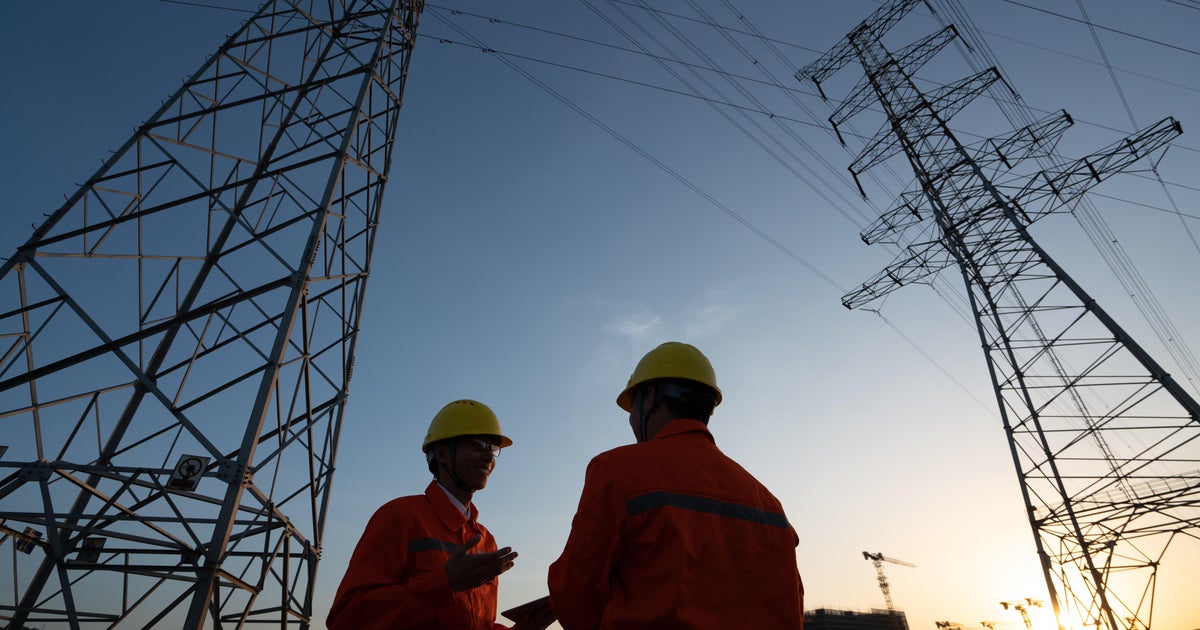
NV Energy is suing Tract Capital Management over who should pay for the energy infrastructure needed to power the AI boom, a first-of-its-kind case that could influence who is responsible for the costs of building infrastructure needed to power the AI boom.
Imagine a city the size of Reno that needs as much electricity as a whole town. That's what a data center is like. The energy company, NV Energy, is suing the data center developer, Tract Capital Management, because they want to know who should pay for the extra energy needed to power the data center. It's like a big argument over who should pay for the electricity to power a huge city.
Analysis
Infrastructure Costs and Ratepayers' Burden
The dispute between NV Energy and Tract Capital Management centers around who should pay for the massive energy infrastructure needed to power the AI boom. NV Energy argues that Tract is trying to pass costs onto consumers, while Tract claims that NV Energy is refusing to deliver power it had promised to provide. The case marks the first time that a major utility company has sued a data center developer, and could influence who is responsible for the costs of building infrastructure needed to power the AI boom.
Public Scrutiny and the Public Utilities Commission of Nevada
NV Energy argues that Tract is calling for private arbitration to circumvent public scrutiny. It alleges that this is no longer a contract dispute, but one over how much power Tract will be able to draw and who will pay for the massive infrastructure investments needed to deliver it. These questions, NV Energy argues, can only be legally decided by the state regulator, the Public Utilities Commission of Nevada, because the answers will affect every ratepayer in the state, not just the two companies at the table.
The Impact of the AI Boom on Energy Infrastructure
The AI boom has made fast friends of data centers and energy companies eager to reap the profits of their vast energy demands. Nevada, in particular, has touted its relatively low energy rates, which are cheap compared to neighboring California, to court data centers. But this case is an early fissure in that alliance, a sign that utility companies fear being blamed for rising rates and in this case are pressuring data centers, and the tech companies behind them, to shell out to subsidize their strain on the grid.
Key points
- NV Energy is suing Tract Capital Management over who should pay for the energy infrastructure needed to power the AI boom.
- The case marks the first time that a major utility company has sued a data center developer.
- The dispute centers around who should pay for the massive energy infrastructure needed to power the AI boom.
- NV Energy argues that Tract is trying to pass costs onto consumers.
- Tract claims that NV Energy is refusing to deliver power it had promised to provide.
If Tract Capital Management and NV Energy can come to an agreement, it could lead to a more efficient and cost-effective way of providing energy to data centers, benefiting both the companies and the consumers.
If the case is not resolved, it could lead to increased energy costs for consumers and a strain on the energy infrastructure, potentially causing power outages and disruptions to businesses.