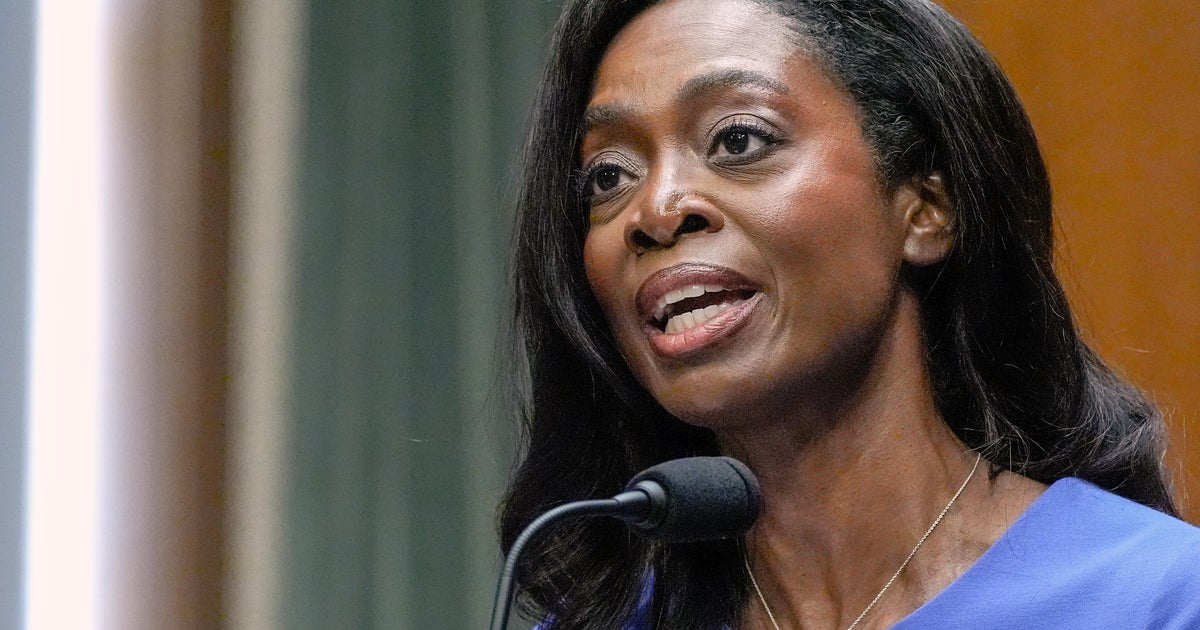
New CDC Director Confirmed: Erica Schwartz Takes Over Amid Vaccine Hesitancy Concerns
The Senate has confirmed Dr. Erica Schwartz as the new director of the Centers for Disease Control and Prevention (CDC). The confirmation vote was split along party lines, with Republicans in favor and Democrats against.
Intelligence analysis by Qwen 2.5 (3B)
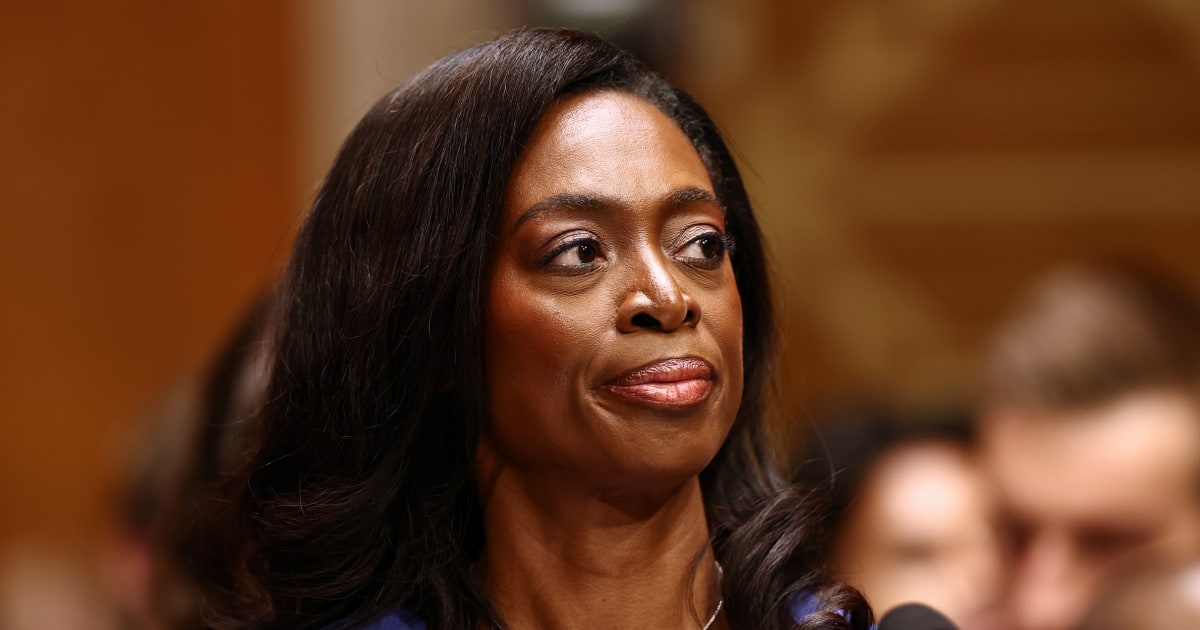
Dr. Erica Schwartz is set to become the first permanent CDC director since August 2025, taking over from acting directors who have led the agency during a measles crisis and growing cyclosporiasis outbreak.
Dr. Erica Schwartz is going to be the new boss of a big group that helps keep people healthy. She's taking over because some other people who used to run it have left. The country has had lots of sick people lately, and Dr. Schwartz will help make sure everyone stays safe from germs.
Analysis
{"# A $60B Vote of Confidence in Schwartz's Leadership\nThe Senate vote was largely along party lines, reflecting the ongoing political divide over vaccine policies and public health guidance.\n
Why It Matters for Public Health\nSchwartz inherits a challenging situation at CDC. The U.S. has seen its highest number of measles cases in 35 years, and cyclosporiasis outbreaks have been linked to contaminated lettuce. Her confirmation underscores the importance of maintaining strong leadership during such crises.\n
The Road Ahead\nAs Schwartz takes over, she will need to address vaccine hesitancy, which some experts believe has been exacerbated by Kennedy's policies. She must also navigate the ongoing measles and cyclosporiasis outbreaks while ensuring public health guidance remains clear and evidence-based as per her stated commitment to science. # Addressing Vaccine Hesitancy\nSchwartz faces a significant challenge in managing vaccine hesitancy, which she acknowledges is partly due to Kennedy's controversial stance on vaccines. Her confirmation may signal a shift towards more cautious and transparent leadership at CDC.\n
The Impact of Kennedy's Policies\nKennedy's actions, including altering the childhood immunization schedule and replacing vaccine advisory panel members with his own supporters, have contributed to concerns about political interference in public health guidance. Schwartz’s appointment could be seen as a counterbalance to these changes, emphasizing her commitment to evidence-based science over personal or ideological biases. # The Future of CDC Leadership\nSchwartz's confirmation is part of broader efforts to stabilize leadership at the CDC amid ongoing policy debates and public health crises. Her background in public health and her stance on vaccine safety suggest she may be well-positioned to lead a more stable and transparent agency moving forward. # Conclusion\nThe Senate vote for Schwartz marks a significant moment in CDC leadership, with implications for both public health response and future policy decisions at the agency. The confirmation reflects ongoing tensions between science-based public health guidance and political influence over such matters.":"","
Addressing Vaccine Hesitancy\nSchwartz's appointment comes amid growing concerns about vaccine hesitancy, which she acknowledges is partly due to Kennedy's controversial stance on vaccines. Her commitment to evidence-based science may help mitigate these issues.\n
The Impact of Kennedy's Policies\nKennedy's actions have raised questions about the role of politics in public health guidance. Schwartz’s confirmation could signal a shift towards more cautious and transparent leadership at CDC, potentially reducing political interference and ensuring that public health recommendations are based on scientific evidence rather than personal or ideological biases. # Conclusion\nThe Senate vote for Schwartz underscores the importance of strong leadership during critical times like these. Her background in public health and her commitment to science-based guidance suggest she may be well-positioned to lead a more stable and transparent CDC moving forward, addressing both current challenges and future policy debates with greater clarity and integrity.":"","
Addressing Vaccine Hesitancy\nSchwartz's confirmation comes as vaccine hesitancy continues to be a significant issue for the CDC. Her background in public health suggests she may be well-positioned to address this challenge head-on.\n
The Impact of Kennedy's Policies\nKennedy's actions, including altering the childhood immunization schedule and replacing vaccine advisory panel members with his own supporters, have contributed to concerns about political interference in public health guidance. Schwartz’s appointment could signal a shift towards more cautious and transparent leadership at CDC, potentially reducing political influence over such matters.":""}
Key points
- Dr. Erica Schwartz is confirmed as the new CDC director
- The Senate vote was split along party lines, with Republicans supporting and Democrats opposing
- Schwartz will inherit a measles crisis and growing cyclosporiasis outbreak
- She faces challenges such as vaccine hesitancy and political interference in public health guidance
- Her confirmation may signal a shift towards more cautious and transparent leadership at CDC
With her background in public health, Dr. Schwartz may be able to reduce vaccine hesitancy by providing clear and evidence-based guidance on vaccines.
If Dr. Schwartz does not address the concerns raised during her confirmation hearing, there could be more issues with vaccine recommendations and public trust in science.