New clothing saved from waste by sewing charity
A Swindon-based charity, Dressability, is saving thousands of new coats and garments from landfill by removing company branding and donating them to vulnerable people, with demand for the service rapidly increasing.
Intelligence analysis by Gemini 2.5 Flash
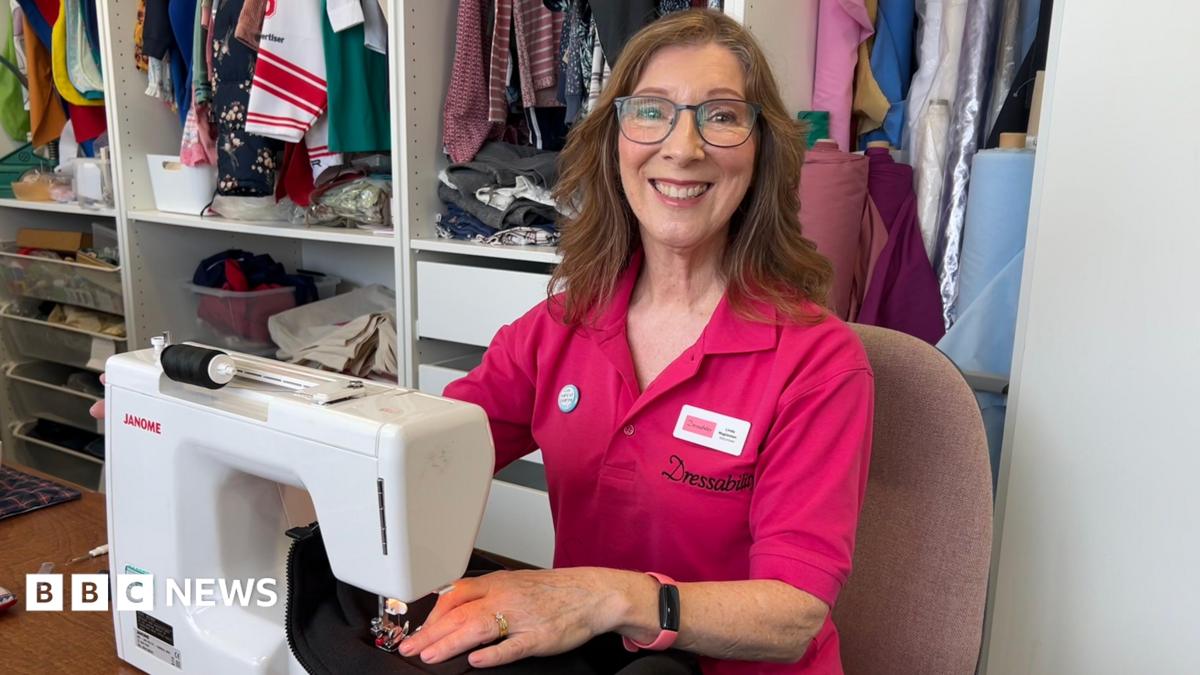
Dressability, primarily known for altering clothes for people with disabilities, launched a rebranding project to repurpose surplus new clothing from businesses. By covering or removing corporate logos, the charity transforms unwanted items into valuable donations for homeless shelters and other organizations, preventing waste and providing essential warmth and dignity.
Imagine a factory makes lots of new clothes, but sometimes they have extra ones with a company's name on them that they can't sell. Instead of throwing these perfectly good clothes away, a kind charity called Dressability takes them. They carefully cover up the company names, like putting a sticker over a logo on a toy, and then give these new-looking clothes to people who really need them, like those who don't have a home. It's like giving a forgotten toy a new, loving owner instead of sending it to the rubbish bin!
Analysis
The Persistent Challenge of Textile Waste
The global textile industry is a significant contributor to waste, with vast quantities of unsold or imperfect new clothing often destined for landfill. This article sheds light on a specific facet of this problem: corporate surplus. Companies frequently find themselves with branded garments that become obsolete due to logo changes, discontinued lines, or minor manufacturing defects, rendering them unsellable through conventional channels.
Such items, though brand new and often high quality, represent a substantial economic and environmental loss. The cost of production, from raw materials to manufacturing and transportation, is effectively wasted when these garments are discarded. Furthermore, their disposal adds to the growing burden on landfills, contributing to pollution and resource depletion. The scale of this issue underscores the need for innovative solutions that can intercept these goods before they become waste.
Dressability's Innovative Solution
Dressability's rebranding project offers a compelling model for addressing this challenge. By leveraging sewing skills, the charity transforms these branded discards into valuable resources for those in need. The process involves carefully patching or removing corporate logos, effectively 'rebranding' the items for a new purpose. This simple yet effective intervention allows garments, some valued at up to £100, to be given a second life.
The charity's success is evident in the rapidly growing demand for its service, now altering and distributing over 1,000 items annually and expanding its reach beyond local Swindon and Wiltshire to places like Liverpool and Ukraine. This growth highlights both the abundance of corporate surplus and the significant need for warm, quality clothing among vulnerable populations, including the homeless. The project not only provides practical warmth but also, as noted by Swindon Night Shelter manager Dawn Prosser, boosts the self-esteem of recipients by offering them high-quality items.
Broader Economic and Social Impact
Dressability's work exemplifies the principles of a circular economy, where resources are kept in use for as long as possible, extracting maximum value before being recovered and regenerated. By diverting new clothing from landfill, the charity reduces waste, conserves resources, and lessens the environmental footprint associated with textile production and disposal. This model offers a blueprint for other organizations and businesses looking to enhance their sustainability practices and corporate social responsibility.
Economically, the project turns what would be a disposal cost for businesses into a social good, potentially offering tax benefits or positive public relations for donating companies like Osnic Embroidery. Socially, it directly addresses poverty and homelessness by providing essential clothing, fostering dignity and comfort for individuals who have lost everything. The appeal for local sewing groups to volunteer their time also underscores the community-building aspect, mobilizing local skills for collective benefit and demonstrating how small-scale, localized initiatives can have a significant, far-reaching impact on both environmental sustainability and social welfare.
Key points
- Dressability, a Swindon charity, saves thousands of new, branded clothes from landfill by altering them.
- The charity removes or covers company logos on surplus garments, making them suitable for donation.
- Donated items, including coats worth up to £100, are distributed to people in need, such as the homeless.
- Demand for the rebranding project has grown rapidly, with over 1,000 items altered annually and distributed as far as Ukraine.
- Companies like Osnic Embroidery donate surplus stock due to logo changes, discontinued lines, or minor manufacturing faults.
The success of Dressability's rebranding project suggests a scalable model for waste reduction and social support. Increased corporate awareness and participation could lead to more widespread adoption of similar initiatives, significantly reducing textile waste and providing essential resources to vulnerable communities across a broader geographic area.
The charity's reliance on volunteers and increasing demand could strain its capacity, potentially limiting its ability to process all available surplus clothing. Without sustained funding and volunteer support, the project might struggle to keep pace with the volume of donations, meaning more new garments could still end up in landfill.