Police raid Starbucks Korea headquarters over 'Tank Day' fiasco
South Korean police have raided Starbucks Korea's headquarters following defamation claims related to a controversial "Tank Day" marketing campaign that coincided with the anniversary of the 1980 Gwangju Uprising.
Intelligence analysis by Gemini 2.5 Flash
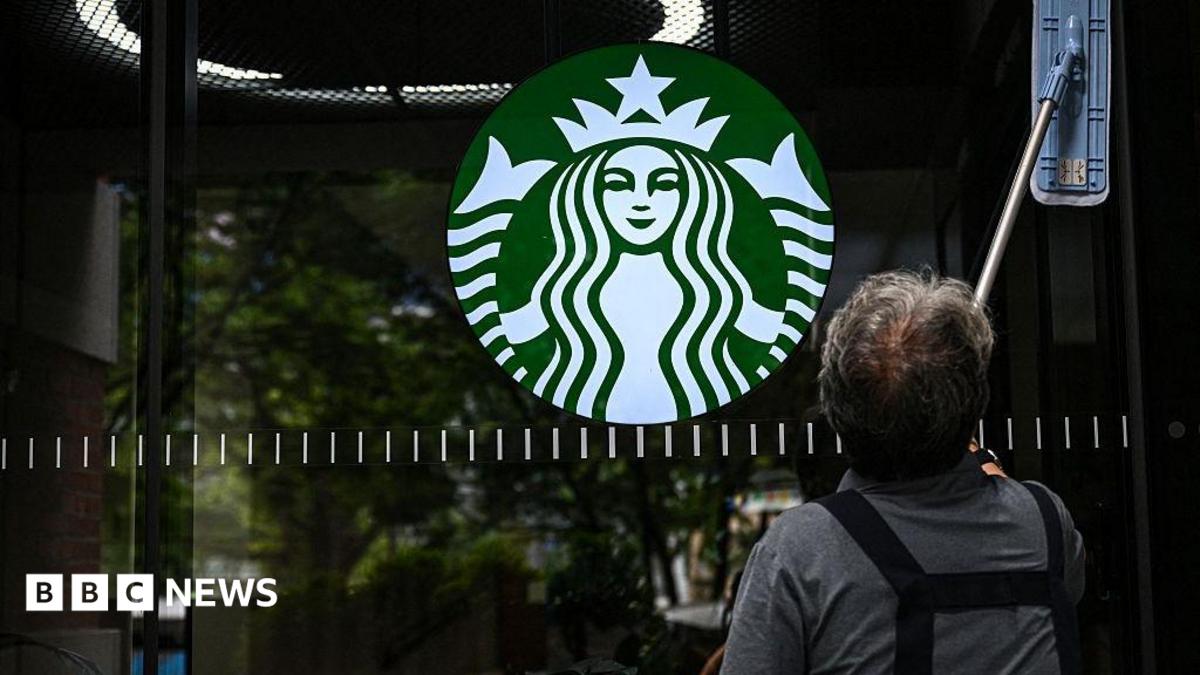
Starbucks Korea launched a "Tank Day" tumbler promotion on the anniversary of the Gwangju Uprising, a day of national trauma where military forces killed hundreds of pro-democracy protesters. The campaign, which many felt referenced military vehicles, sparked a mass boycott and led to a police investigation for defaming victims, despite the company's claims of unintentional error and …
Imagine a popular coffee shop accidentally made a special cup that reminded many people of a very sad and important day in their country's history, making them feel disrespected. People got so upset that they stopped buying coffee, the company's boss lost their job, and even the police came to investigate because it caused such a big fuss.
Analysis
The Gwangju Uprising and "Tank Day" Controversy
Starbucks Korea found itself embroiled in a major scandal after launching a "Tank Day" coffee tumbler promotion in May, coinciding with the anniversary of the 1980 Gwangju Uprising. This historical event is a deeply sensitive and traumatic memory for South Koreans, where hundreds of pro-democracy protesters were reportedly killed by military forces under dictator Chun Doo-hwan. The term "tank" was widely interpreted as a direct and insensitive reference to the military vehicles deployed to suppress the uprising, sparking immediate public outrage.
Further compounding the controversy, promotional material for the tumbler used the phrase "tak on the table!" While intended to mimic the sound of an object being placed on a surface, "tak" also eerily echoed a controversial statement made by police in 1987 regarding the death of a student activist in custody. This dual layer of perceived insensitivity intensified the backlash, leading civic groups to file a criminal complaint against Starbucks Korea, demanding a police investigation into defamation of the victims of the military dictatorship.
Corporate Response and Economic Fallout
In response to the escalating crisis, Starbucks Korea, operated by Shinsegae Group, quickly rolled back the "Tank Day" promotion, asserting that the connection to the historical event was unintentional. The company launched an internal investigation, concluding that the planning team had not drawn the link to the Gwangju Uprising and that upper management had failed to identify the issue. As a gesture of apology and education, Starbucks stores across South Korea closed for half a day in June to allow staff to attend history lessons.
The economic repercussions for Starbucks were significant. Shinsegae Group publicly apologized for the "inappropriate marketing" and confirmed that the "Tank Day" controversy had led to a serious decline in Starbucks sales in South Korea, which is one of the coffee chain's largest global markets. The company also took decisive personnel action, sacking its chief executive in an attempt to mitigate the damage and demonstrate accountability. The police raid on the headquarters underscores the severity of the legal and public relations challenges the company continues to face.
Politicization and Enduring Brand Challenges
The scandal quickly transcended corporate misstep, becoming a prominent talking point in South Korean politics, particularly during the local elections season. President Lee Jae Myung openly criticized the campaign, stating it "insults the victims and the bloody struggle" of Gwangju residents, and his internal ministry announced a government-level boycott of Starbucks. This move, however, was met with opposition, as the opposition leader used a Starbucks cup during a speech to accuse the government of overreach.
Consequently, Starbucks cups have been unexpectedly embraced by right-wing pundits and have appeared in right-wing rallies and livestreams, transforming the brand into a symbol of opposition to the Lee Jae-myung government. This politicization adds another layer of complexity to Starbucks Korea's recovery efforts. While the company has taken steps to address the immediate crisis, the enduring association with a divisive political symbol and the ongoing police investigation suggest a long road ahead for rebuilding its reputation and regaining consumer trust in a highly sensitive market.
Key points
- South Korean police raided Starbucks Korea's headquarters over defamation claims related to a "Tank Day" marketing campaign.
- The campaign's name and promotional phrase were perceived as insensitive references to the 1980 Gwangju Uprising and a student activist's death.
- The controversy sparked a mass boycott, leading to a significant decline in Starbucks sales in South Korea.
- Starbucks Korea apologized, conducted an internal investigation, provided staff history lessons, and sacked its CEO.
- The scandal became a political talking point, with the brand becoming a symbol for both government critics and supporters.
The ongoing police investigation could lead to further legal action and fines, exacerbating the brand's reputational damage in a key market. The politicization of the brand could also alienate a significant portion of its customer base, making a full sales recovery challenging and potentially impacting future expansion plans.