New solar panels in Great Britain at 15-year high as fossil fuel costs soar
Great Britain has seen a 15-year high in new solar power installations during the first half of 2026, driven by soaring fossil fuel costs and government incentives, with households increasingly adopting rooftop panels to cut energy bills.
Intelligence analysis by Gemini 2.5 Flash
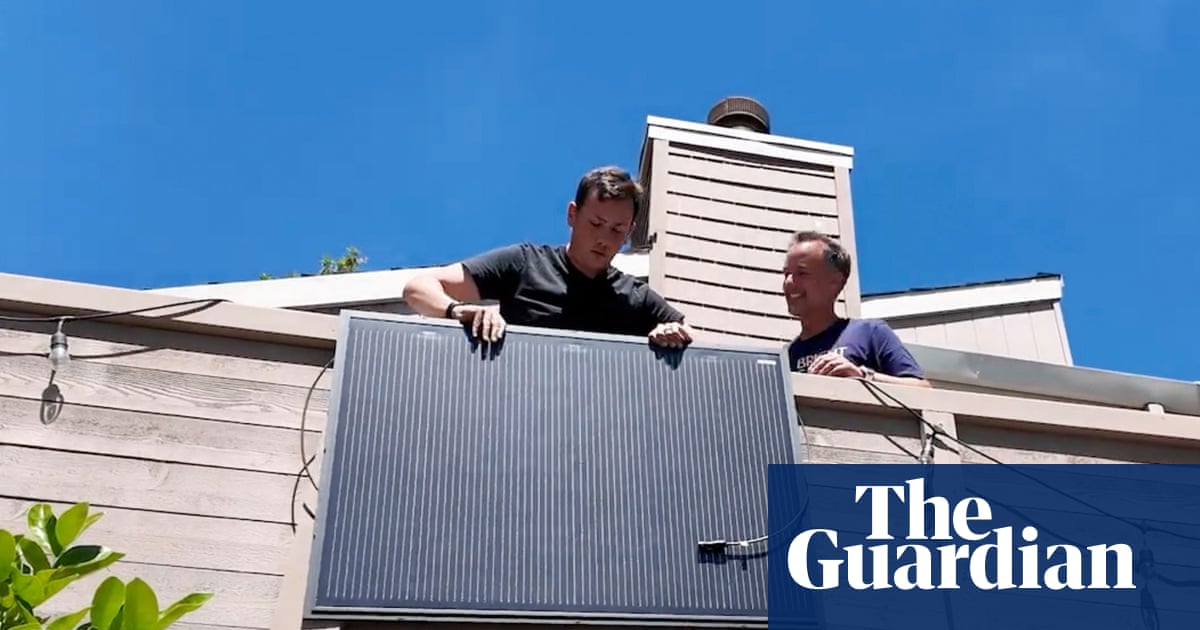
Amidst rising fossil fuel prices, exacerbated by geopolitical conflicts, Great Britain is experiencing a significant boom in solar power adoption, both in large-scale farms and household installations, as consumers seek to reduce energy costs and gain greater control over their electricity supply.
Imagine electricity is like buying sweets, and the price keeps going up because the ingredients are getting super expensive, especially when there are fights far away. So, lots of grown-ups in Great Britain are putting special shiny panels on their roofs, like tiny power factories, to make their own electricity from the sun. This helps them save money on their bills, and the government is even giving them money to help buy these panels and other warm-home gadgets. Soon, even people in flats can put small panels on their balconies!
Analysis
The Solar Surge: Drivers and Scale
Great Britain has experienced an unprecedented boom in solar power installations during the first half of 2026, marking the highest six-month period for new additions since 2011. Government figures reveal a staggering 142,536 new solar installations, putting the country on track to surpass last year's record. While large ground-mounted solar farms contribute, the majority of this growth stems from household rooftop panels, indicating a significant shift in consumer behavior.
This remarkable surge is primarily a direct response to the escalating costs of fossil fuels, which have caused household energy bills to rocket. The article explicitly links this increase to geopolitical events, noting that the boom began shortly after the start of the "US-Israel war against Iran" and that Octopus Energy observed a sharp increase in sales following the "Middle East conflict causing oil and gas prices to soar." Energy retailers like E.ON Next have reported a 151% rise in home solar installations compared to the previous year, underscoring the immediate impact of energy price volatility on consumer decisions.
Policy Tailwinds and Accessibility Innovations
Government policy has played a crucial role in fostering this renewable energy uptake, providing significant incentives for households to transition away from fossil fuels. The Boiler Upgrade Scheme, for instance, saw a 21% increase in applications last month, reaching 4,512, as more people seek low-carbon heating alternatives. Furthermore, the government recently boosted its grant funding for heat pumps by 20%, from £7,500 to £9,000, making these energy-efficient systems more financially accessible.
Beyond direct grants, new legislation passed this month is set to democratize solar power further by allowing UK bill payers in flats or rented properties to install "balcony solar panels" by the end of August. This innovative approach, already popular across Europe, removes a significant barrier for a large segment of the population previously unable to benefit from rooftop installations. Additionally, a cut in VAT on electricity bills from October will make running heat pumps even more economical, reinforcing the financial appeal of renewable solutions.
Economic Impact and Future Trajectory
The economic benefits for households adopting solar power are substantial and a key motivator for the current boom. E.ON Next highlights that some of its customers, when signed onto solar and battery tariffs, have saved up to £600 a year on their annual energy bills. This tangible financial relief, coupled with a desire for greater energy independence, empowers consumers to take control of their energy use and reduce reliance on the national grid, which is increasingly seen as susceptible to external price shocks.
Looking ahead, while household installations dominate in number, the development of large-scale solar farms continues to advance, with projects like the 373MW Cleve Hill and the 800MW Springwell solar farm demonstrating significant investment in utility-scale renewable generation. Despite "extremely effective" organised campaigns against wind and solar, the combined momentum from individual consumers, supportive government policies, and large-scale projects indicates a robust and accelerating transition towards a more sustainable and economically resilient energy future for Great Britain.
Key points
- Great Britain recorded 142,536 new solar installations in the first half of 2026, a 15-year high.
- The surge is primarily driven by soaring fossil fuel costs, exacerbated by geopolitical conflicts.
- Government grants for heat pumps increased by 20% to £9,000, and VAT on electricity bills will be cut.
- New legislation will allow UK households in flats and rented properties to install "balcony solar panels" by August.
- Energy companies like E.ON Next and Octopus Energy report significant increases in solar panel sales, with some customers saving up to £600 annually.
The significant increase in solar installations, coupled with government grants and new legislation, suggests a promising trajectory towards greater energy independence and reduced household energy burdens in Great Britain. This shift could lead to more stable energy prices, lower carbon emissions, and foster innovation in renewable energy technologies, ultimately benefiting consumers and the environment.
Despite the boom, "extremely effective" organised campaigns against wind and solar could undermine public support and slow future renewable energy development. Furthermore, while household savings are noted, the initial investment for solar panels and heat pumps remains substantial for many, and grid infrastructure may face challenges integrating a rapidly increasing decentralized energy supply.