New UK cost of living crisis looms with soaring energy bills forecast to lift inflation
UK inflation is expected to rise to 2.9% in July after Ofgem raised the household energy price cap by 13%, adding to cost-of-living pressure as the Iran war lifts global energy prices.
Intelligence analysis by Llama
Wednesday's ONS inflation print is forecast at 2.9%, up from 2.6% in June, as Ofgem's 13% energy cap lift feeds through. The Bank of England may raise rates from September, with markets pricing in two quarter-point hikes before end-2027 and a worst-case 4.5% inflation scenario by mid-2027.
Imagine your family's gas and electricity bill jumped up by 13% in one month. That's what's happening in the UK, and it means the cost of groceries and other things is going up too. The government is trying to help, but a war in Iran is making energy expensive everywhere.
Analysis
The 13% Ofgem cap increase
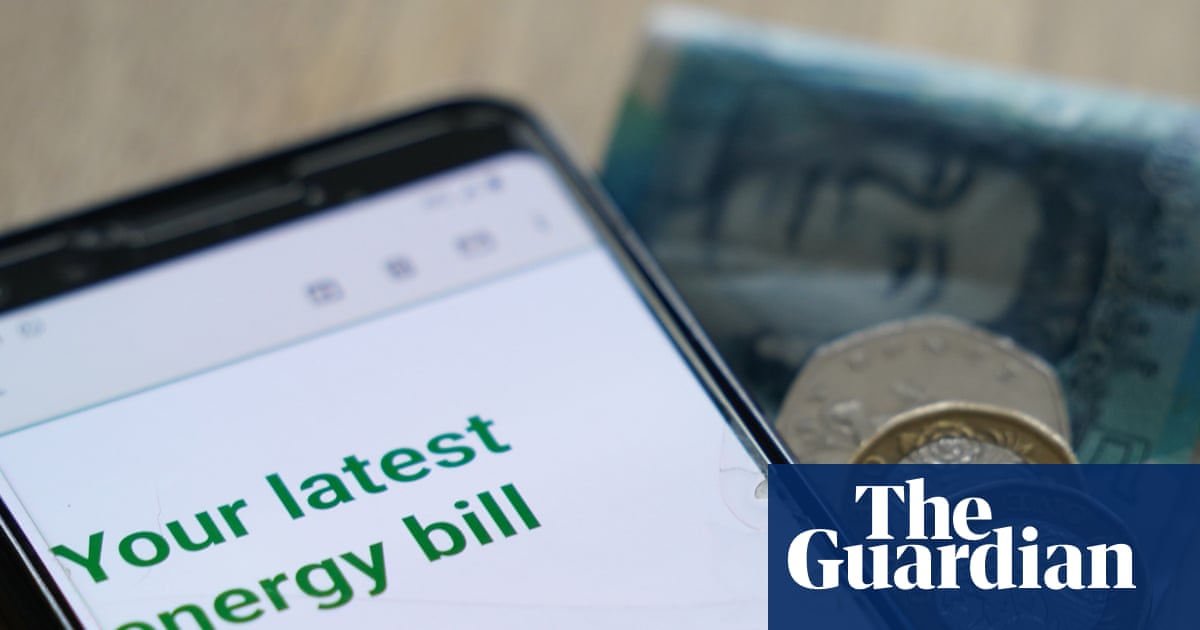
The proximate cause of the inflation reacceleration is mechanical. Ofgem raised the household energy price cap by 13% in July, and that adjustment feeds directly into the consumer prices index. RSM UK's chief economist, Thomas Pugh, put the direct contribution at roughly 0.44 percentage points on headline inflation, with the lift partially offset by a fall in petrol and diesel prices. Pugh framed the move bluntly: "The cost of living squeeze is set to return to the headlines." The size of the cap change matters because energy carries an outsized weight in British household budgets relative to peers, and because previous episodes of cap-driven inflation have proven sticky even after the initial impulse fades.
The cap is also a political artefact, not just a market signal, which complicates forecasting. The regulator reviews the level every quarter, meaning today's 13% reset is not necessarily the final word for 2026. If wholesale gas prices remain elevated because of the Iran war and continued disruption in the strait of Hormuz, another upward revision in October or January cannot be ruled out. Each reset would compound the political pressure on Andy Burnham, whose first week in Downing Street was dominated by promises to cushion consumers from the very forces now driving the print.
Burnham's breathing space measures
Burnham's early response is calibrated rather than transformative. The headline policy is a VAT cut that the government estimates will trim the average household electricity bill by about £45 a year from October, alongside a £2 cap on bus fares in England. The Bank of England judges the combined package will lower headline inflation by only around 0.1 percentage point, which is a rounding error against the 0.44-point hit from the Ofgem cap. That gap is the political story: the new administration is spending fiscal headroom on visible relief while the underlying energy shock does the heavy lifting on prices.
The more interesting question is whether the measures are durable. A VAT cut can be reversed at a budget; a £2 bus cap depends on Treasury subsidy. If the BoE raises rates into a stagflationary backdrop, the fiscal cost of subsidising energy and transport will rise at exactly the moment the Treasury can least afford it. Burnham's framing of the package as "breathing space" is honest about the temporary nature of the relief, but it also means the underlying pressure on real incomes is unresolved going into the autumn statement.
The 4.5% worst-case scenario
Threadneedle Street's published stress test is the most striking number in the coverage: in a worst case involving further Middle East escalation, UK inflation could peak at 4.5% by the middle of 2027. That figure is the difference between a difficult but manageable squeeze and a genuine crisis of household living standards, and it explains why the Bank kept borrowing costs on hold last month rather than cutting. Markets currently price two quarter-point hikes before the end of next year, with roughly a one-in-four probability assigned to a move as early as the September meeting, from a base rate of 3.75%.
The asymmetric risk is what makes the story matter beyond the UK. Britain imports most of its gas and a large share of its oil; the Iran war and Hormuz gridlock are exogenous supply shocks that monetary policy can only partially offset. Victoria Scholar of Interactive Investor expects a single 25-basis-point hike by year-end as the BoE tries to keep inflation expectations anchored near its 2% target. The central bank's own projection of 3.2% by year-end sits in the middle of that range, leaving the 4.5% tail as the scenario that would reframe the entire policy debate heading into 2027.
Key points
- UK inflation forecast at 2.9% in July, up from 2.6% in June, after Ofgem lifted the household energy price cap by 13%
- RSM UK's Thomas Pugh estimates the cap increase adds about 0.44 percentage points to headline inflation, partly offset by lower fuel prices
- Bank of England is considering rate hikes from September, with markets pricing two quarter-point rises before end-2027 from a 3.75% base rate
- BoE stress test warns inflation could peak at 4.5% by mid-2027 in a worst-case Middle East escalation scenario
- New PM Andy Burnham's 'breathing space' package of VAT cuts on electricity and a £2 bus fare cap is judged to lower inflation by only 0.1 percentage points
If Middle East tensions de-escalate and wholesale gas prices ease, the Ofgem cap could be revised lower in subsequent quarters, allowing the BoE to hold rates and letting Burnham's VAT cut and bus fare cap deliver meaningful real-income relief through 2027.
If the Iran war deepens and Hormuz disruption persists, energy bills could rise again at the next Ofgem reset, pushing inflation toward the BoE's 4.5% tail and forcing multiple rate hikes that would crush household budgets already strained by the 13% July cap increase.