No barriers for 50,000 users of new ‘seamless’ e-channels at mega bridge
Hong Kong will open two facial-recognition e-channels at the Hong Kong-Zhuhai-Macau Bridge for eligible regular users from June 25.
Intelligence analysis by GPT-5.4 Mini
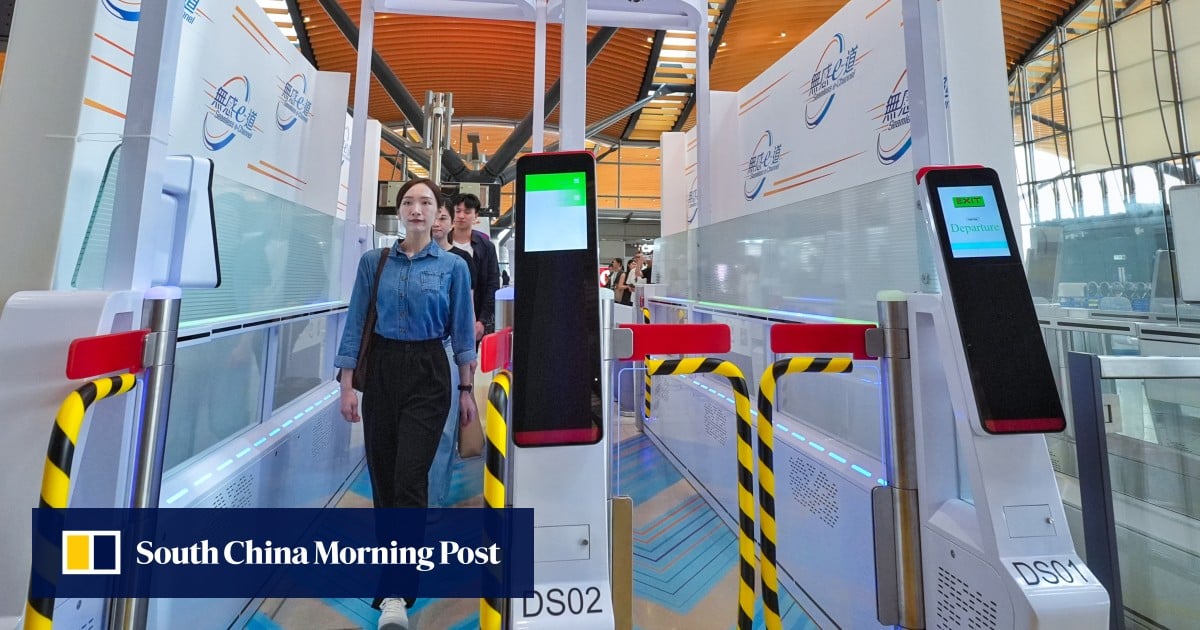
Hong Kong’s Immigration Department is rolling out two new “seamless” border e-channels at the Hong Kong-Zhuhai-Macau Bridge. About 50,000 regular users, or around one-fifth of bridge users, may qualify once they register.
Hong Kong is adding special border lanes that can read faces, so some regular bridge travelers can walk through like going through a quick checkout line instead of stopping to show an ID card.
Analysis
What is changing
Hong Kong will begin offering two new immigration e-channels at the Hong Kong-Zhuhai-Macau Bridge on June 25. The new lanes use facial recognition, and eligible travelers will not need to stop or show identity cards during clearance.
Who can use them
According to the Immigration Department, Hong Kong permanent residents aged 11 or above who are regular users of the bridge can register. To qualify, a person must have arrived at or departed from Hong Kong’s clearance building at least 10 times in the past 90 days. Assistant director of information systems Or Chung-yuk said the department expects around 50,000 local travelers to be eligible, or about 20 per cent of all bridge users.
How it works
The new channels have an open-gate design and a 4.9-metre walkway. That setup is meant to let travelers move through without the usual stop-and-present step used at existing e-channels. The department says the process should create a more seamless crossing experience.
What this signals
The rollout is a small but visible example of how Hong Kong is automating border procedures at a major transport link. The practical test will be whether the system remains fast and smooth at scale, especially when many eligible users begin registering and using the new lanes.
Key points
- Two new facial-recognition e-channels will open at the Hong Kong-Zhuhai-Macau Bridge on June 25.
- Eligible users are Hong Kong permanent residents aged 11 or above who are regular bridge users.
- Travelers must have crossed at least 10 times in the past 90 days to register.
- The Immigration Department estimates about 50,000 people, or around 20% of bridge users, may qualify.
- The new lanes use an open-gate design and are meant to let people pass without stopping or showing ID cards.
If the system works as planned, eligible travelers should clear immigration faster and with less hassle. That could make the Hong Kong-Zhuhai-Macau Bridge more convenient for frequent users and reduce congestion at the border.
The new setup depends on facial recognition working smoothly and travelers successfully registering in advance. If the system is slow, confusing, or has technical problems, the promised speedup could be smaller than expected.