No disarmament before Israeli Gaza pullout: Hamas
Hamas has stated that it will not disarm before Israeli forces withdraw from Gaza. The Palestinian movement will hand over its weapons to a new National Committee for the Administration of Gaza (NCAG), contingent on the withdrawal of Israeli forces and increased aid and g…
Intelligence analysis by Llama
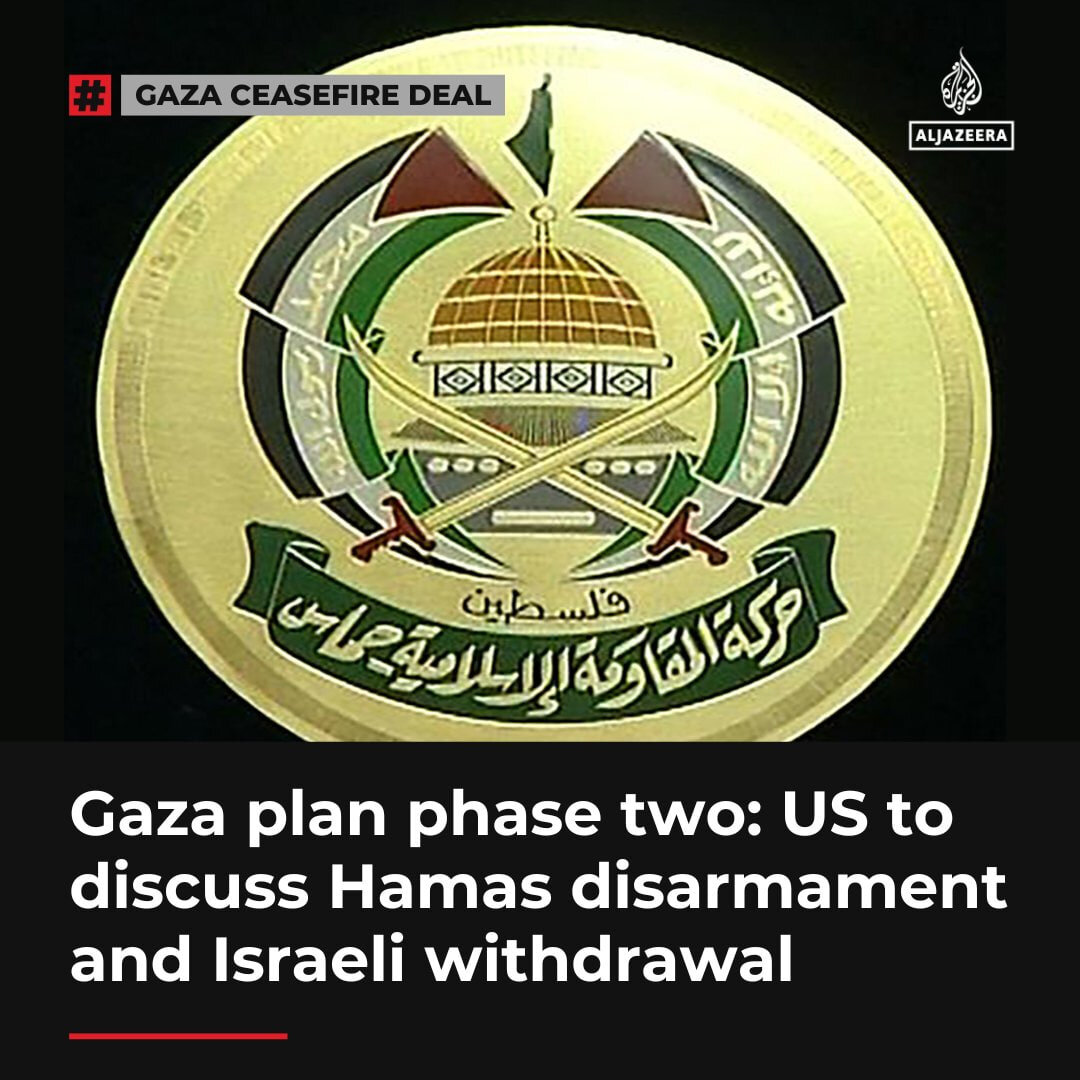
Hamas has agreed to disarm and hand over its weapons to a new committee in Gaza, but only after Israeli forces withdraw from the territory and aid and goods flow in. The move is part of a broader ceasefire agreement between Hamas and Israel.
Hamas, a Palestinian group, has agreed to give up its guns and hand them over to a new committee in Gaza. This is a big deal because it could help bring peace to the region. But it's also a bit complicated because Hamas has to make sure that Israel withdraws its troops from Gaza and lets in more aid and goods before it gives up its guns.
Analysis
A Shift in Hamas's Stance on Disarmament
Hamas's decision to disarm and hand over its weapons to a new committee in Gaza marks a significant shift in the Palestinian movement's stance on disarmament. For years, Hamas has been a major player in the conflict between Israel and the Palestinians, and its refusal to disarm has been a major point of contention. However, with the agreement between Hamas and Israel, it appears that the movement is willing to take steps towards disarmament in order to achieve a more peaceful resolution to the conflict.
The Role of the National Committee for the Administration of Gaza
The National Committee for the Administration of Gaza (NCAG) will play a crucial role in the disarmament process. The committee will be responsible for overseeing the disarmament of Hamas and ensuring that the movement's weapons are safely stored and managed. The committee will also be responsible for governing Gaza and ensuring that the territory is governed according to the principle of 'One Authority, One Law, One Weapon'.
The Implications of the Agreement
The agreement between Hamas and Israel has significant implications for the future of the Gaza Strip and the Middle East as a whole. It marks a major shift in Hamas's stance on disarmament and could pave the way for a more peaceful resolution to the conflict. However, the agreement also raises concerns about the potential for violence and instability in the region. As the agreement is implemented, it will be essential to monitor the situation closely and ensure that the disarmament process is carried out in a peaceful and orderly manner.
Key points
- Hamas has agreed to disarm and hand over its weapons to a new committee in Gaza.
- The disarmament process is contingent on the withdrawal of Israeli forces from Gaza and the increased flow of aid and goods into the territory.
- The National Committee for the Administration of Gaza (NCAG) will play a crucial role in the disarmament process.
- The agreement between Hamas and Israel has significant implications for the future of the Gaza Strip and the Middle East as a whole.
The agreement between Hamas and Israel could lead to a more peaceful resolution to the conflict and a significant reduction in violence in the region. If implemented successfully, it could pave the way for a more stable and secure future for the people of Gaza and the Middle East as a whole.
However, the agreement also raises concerns about the potential for violence and instability in the region. If the disarmament process is not carried out in a peaceful and orderly manner, it could lead to a resurgence of violence and instability in the region.