No Power in World Can Take Strait of Hormuz from Iran’s Ownership, Former Iranian Foreign Minister
Iran's former foreign minister, Ali Akbar Velayati, reiterated Iran's claim over the Strait of Hormuz, stating that the strategic waterway belongs to Iran and cannot be controlled by any foreign country or global power.
Intelligence analysis by Llama
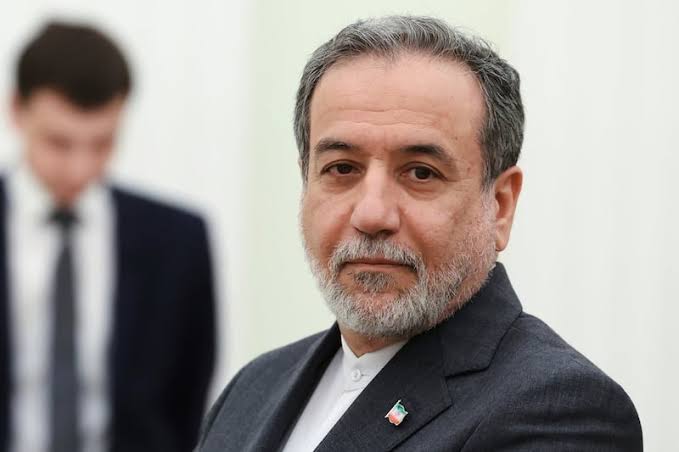
Iran's former foreign minister, Ali Akbar Velayati, emphasized that Tehran considers the Strait of Hormuz an integral part of its national interests and remains determined to safeguard its sovereignty in the region.
Imagine a super important highway for oil and gas that connects many countries. Iran says this highway belongs to them and they want to keep it safe from other countries trying to control it.
Analysis
A Strategic Waterway of Global Importance
The Strait of Hormuz is a vital maritime route through which a significant portion of the world's oil and gas supplies passes. Iran's claim over the strait is not new, but the country's determination to safeguard its sovereignty in the region has been reiterated by its former foreign minister, Ali Akbar Velayati. Speaking in an interview with Iran's state television, Velayati emphasized that Tehran considers the strait an integral part of its national interests and remains determined to safeguard its sovereignty in the region.
Regional Tensions and International Focus
The article comes amid ongoing regional tensions and renewed international focus on the Strait of Hormuz. The waterway has been a point of contention between Iran and other countries in the region, particularly the United States, which has imposed sanctions on Iran in an effort to curb its nuclear program. The international community has been watching the situation closely, with many countries relying on the Strait of Hormuz for their oil and gas supplies.
Implications of Iran's Claim
Iran's claim over the Strait of Hormuz has significant implications for the global energy market. The waterway is a critical chokepoint for oil and gas exports, and any disruption to the flow of supplies could have far-reaching consequences for the global economy. Iran's determination to safeguard its sovereignty in the region has been a major point of contention between the country and other nations, particularly the United States. The article highlights the ongoing tensions between Iran and other countries in the region and the importance of the Strait of Hormuz as a strategic waterway of global importance.
Key points
- Iran's former foreign minister, Ali Akbar Velayati, reiterated Iran's claim over the Strait of Hormuz.
- The Strait of Hormuz is a vital maritime route through which a significant portion of the world's oil and gas supplies passes.
- Iran's determination to safeguard its sovereignty in the region has been a major point of contention between the country and other nations.
- The international community has been watching the situation closely, with many countries relying on the Strait of Hormuz for their oil and gas supplies.
If Iran's claim over the Strait of Hormuz is recognized, it could lead to increased stability in the region and a reduction in tensions between Iran and other countries. This could also lead to increased cooperation between Iran and other nations on issues such as energy security and trade.
If Iran's claim over the Strait of Hormuz is not recognized, it could lead to increased tensions between Iran and other countries, potentially resulting in a disruption to the flow of oil and gas supplies through the waterway. This could have far-reaching consequences for the global economy and lead to increased instability in the region.