Nobel laureate James Heckman on the value of risk-taking, and China’s ‘common goal’
James Heckman says global uncertainty from Middle East conflict and rising oil prices has put China and the wider economy on pause.
Intelligence analysis by GPT-5.4 Mini
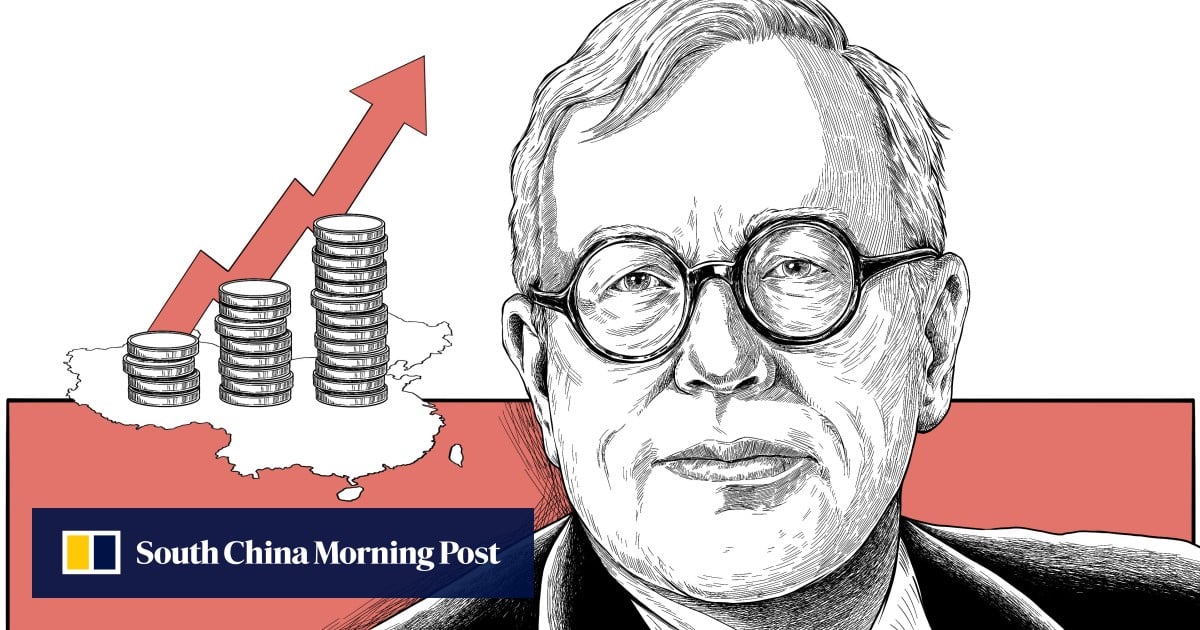
In an SCMP interview, Nobel laureate James Heckman says the world economy is being held back by uncertainty, with China and other markets waiting for conditions to settle before moving ahead.
Heckman says the world feels like a game of chess where everyone stops moving when the board gets messy. Fighting and expensive oil make people nervous, so China and others wait before making big choices.
Analysis
What Heckman says
In this SCMP Open Questions interview, James Heckman frames China’s outlook as part of a broader global slowdown in confidence. He says the world economy is not in good shape because of fighting in the Middle East, higher oil prices, and the uncertainty they have created.
Heckman’s central point is that uncertainty itself is slowing activity. In his view, China and the rest of the world are “a little bit on pause” while people wait for conditions to become clearer. He says that in moments like this, the usual reaction from trading partners and ordinary people is to hold back rather than move aggressively.
The article also positions the conversation around several China-focused themes beyond the excerpted answer: risk-taking, a “common goal,” economic outlook, youth unemployment, and whether China can overtake the US in science and technology. Heckman’s background is presented as especially relevant to those questions because he has spent much of his career studying inequality, social mobility, skills formation, labour-market rules, and China’s labour market and early childhood development.
The pasted text does not include the later answers, so the clearest takeaway from the available body is his assessment that geopolitical stress is creating a wait-and-see mood. The interview is less a forecast than a caution: when the external environment is unstable, both households and businesses tend to delay decisions until the outlook improves.
Key points
- James Heckman says the global economy is weak because of Middle East fighting, higher oil prices, and the uncertainty they create.
- He says China and the rest of the world are in a temporary pause while people wait for conditions to improve.
- He argues that in uncertain times, trading partners and ordinary people usually hold off on major decisions.
- The interview is framed around China’s growth outlook, youth unemployment, risk-taking, and science-and-technology ambitions.
If the uncertainty eases, the pause Heckman describes could lift and trade and investment may pick up again. A steadier global environment would give China and its partners more room to plan and grow.
If conflict and oil-price pressure continue, the wait-and-see mood could drag on. That would keep businesses cautious and make it harder for China and others to regain momentum.