North Korea reaffirms support for Moscow over Ukraine
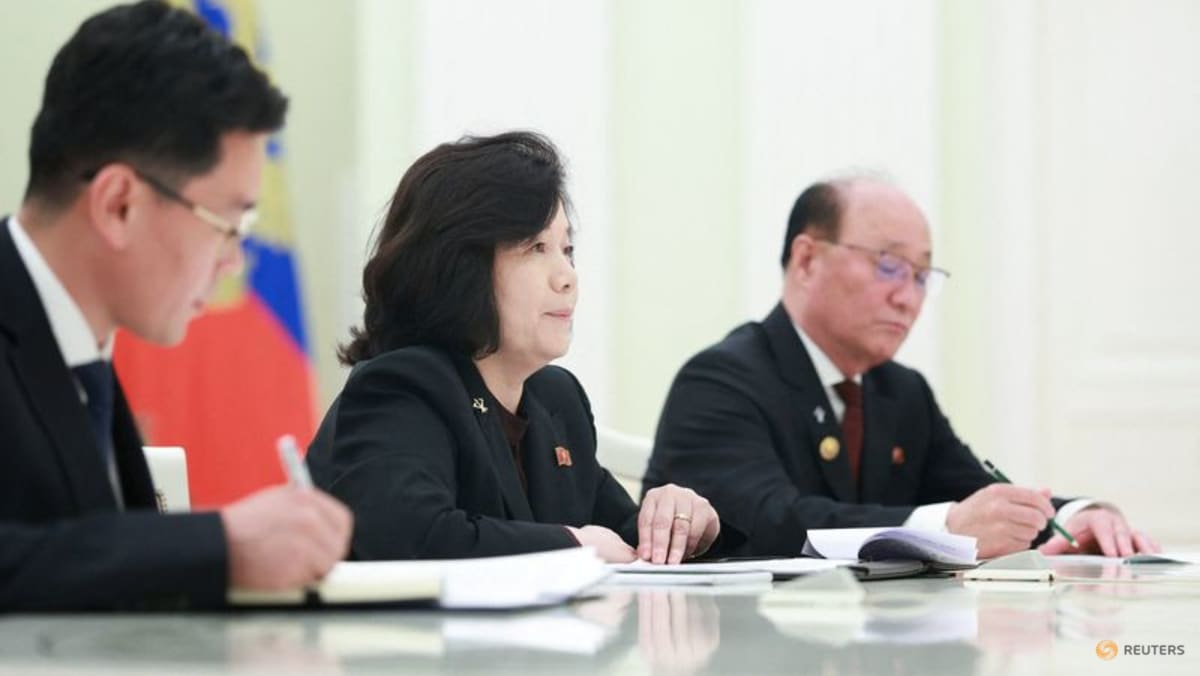
North Korea has reaffirmed its unwavering support for Russia's war in Ukraine during a meeting between their foreign ministers in Moscow, fueling speculation of a potential visit by Kim Jong Un to the Kremlin.
Intelligence analysis by Gemini 2.5 Flash
Diplomatically isolated North Korea and Russia are rapidly expanding cooperation, with Pyongyang providing troops and weapons to Moscow in exchange for financial aid, food, energy, and military technology. This latest meeting between foreign ministers further solidifies their alliance, with both nations expressing mutual support for each other's sovereignty and security, and hints at …
Imagine two kids on the playground who aren't very popular with the other kids. One kid, North Korea, says to the other, Russia, "I'll help you with your fight if you help me with my problems." So, North Korea is sending some of its toys (weapons) to Russia, and in return, Russia is giving North Korea snacks (food), pocket money (financial aid), and cool gadgets (military technology). This meeting was like them shaking hands and saying they'll keep helping each other, making the other kids wonder if their leaders will meet up soon too.
Analysis
Deepening Pyongyang-Moscow Ties
North Korea's recent reaffirmation of support for Russia's military actions in Ukraine underscores a rapidly strengthening alliance between the two nations. The meeting between North Korean Foreign Minister Choe Son Hui and her Russian counterpart Sergey Lavrov in Moscow was not merely a diplomatic formality but a clear signal of their deepening strategic partnership. This high-level engagement has intensified speculation that North Korean leader Kim Jong Un may soon undertake a visit to Russia, following previous invitations from President Vladimir Putin.
This burgeoning cooperation has been a consistent trend since Russia's full-scale invasion of Ukraine in early 2022. Pyongyang, facing its own international isolation, has found a willing partner in Moscow. Analysts suggest that North Korea has provided significant military assistance, including troops to Russia's Kursk region and various weapons systems, in exchange for crucial financial aid, food, energy supplies, and advanced military technology from Russia. This reciprocal arrangement offers tangible benefits to both regimes, allowing them to circumvent international sanctions and bolster their respective strategic positions.
Strategic Implications for Global Security
The solidification of the North Korea-Russia axis carries substantial implications for global security. For North Korea, this alliance provides a powerful diplomatic shield and a vital source of resources and technology, helping it to further defy international pressure regarding its nuclear and missile programs. For Russia, North Korean support offers a much-needed boost to its war efforts in Ukraine, potentially prolonging the conflict and increasing its intensity. This partnership challenges the existing international order and the efficacy of multilateral sanctions regimes.
The mutual expressions of support, with Pyongyang backing Russia's 'special military operation' and Moscow endorsing North Korea's sovereignty and security efforts, highlight a shared anti-Western stance. This alignment could embolden both nations to pursue more aggressive foreign policies, potentially leading to increased instability in both Eastern Europe and Northeast Asia. Western nations and their allies are likely to view this deepening cooperation with significant concern, as it complicates efforts to de-escalate conflicts and enforce international norms.
The Broader Geopolitical Alignment
The recent developments also fit into a broader narrative of a potential 'North Korea-China-Russia alignment.' Chinese President Xi Jinping's visit to Pyongyang last month, where he and Kim Jong Un pledged to bolster ties, precedes this latest North Korea-Russia engagement. While China remains North Korea's primary economic partner, accounting for nearly 98 percent of its foreign trade in 2024, the simultaneous strengthening of ties with both Beijing and Moscow allows Pyongyang to showcase its ability to break out of diplomatic isolation.
This emerging alignment among these three powers presents a formidable challenge to the United States and its allies. It suggests a coordinated effort to counter Western influence and reshape the global geopolitical landscape. The perceived unity among these nations could lead to a more fragmented and confrontational international environment, with significant repercussions for global diplomacy, trade, and security architectures. The strategic implications extend beyond the immediate conflicts, signaling a potential long-term shift in global power dynamics.
Key points
- North Korea reaffirmed its support for Russia's war in Ukraine during a foreign ministers' meeting in Moscow.
- The two nations pledged to accelerate long-term, multi-faceted bilateral development and expressed mutual support for each other's sovereignty and security.
- Pyongyang has reportedly supplied Russia with troops and weapons systems, receiving financial aid, food, energy, and military technology in return.
- The meeting fuels speculation of a potential visit by North Korean leader Kim Jong Un to Russia, following previous invitations from President Putin.
- This deepening alliance is seen in the context of a broader 'North Korea-China-Russia alignment' challenging diplomatic isolation and Western influence.
The increased military cooperation between North Korea and Russia could lead to further escalation of the Ukraine conflict and heightened tensions in Northeast Asia. This alignment risks undermining international sanctions regimes and could embolden other rogue states, contributing to global instability and a more confrontational geopolitical landscape.