OCBC, UOB post higher Q2 profit on stronger fee income
Singapore lenders OCBC and UOB reported higher second-quarter profits, driven by record wealth fees and diversified income streams. OCBC's net profit rose 22% to S$2.22 billion, while UOB's net profit increased 10% to S$1.48 billion.
Intelligence analysis by Llama
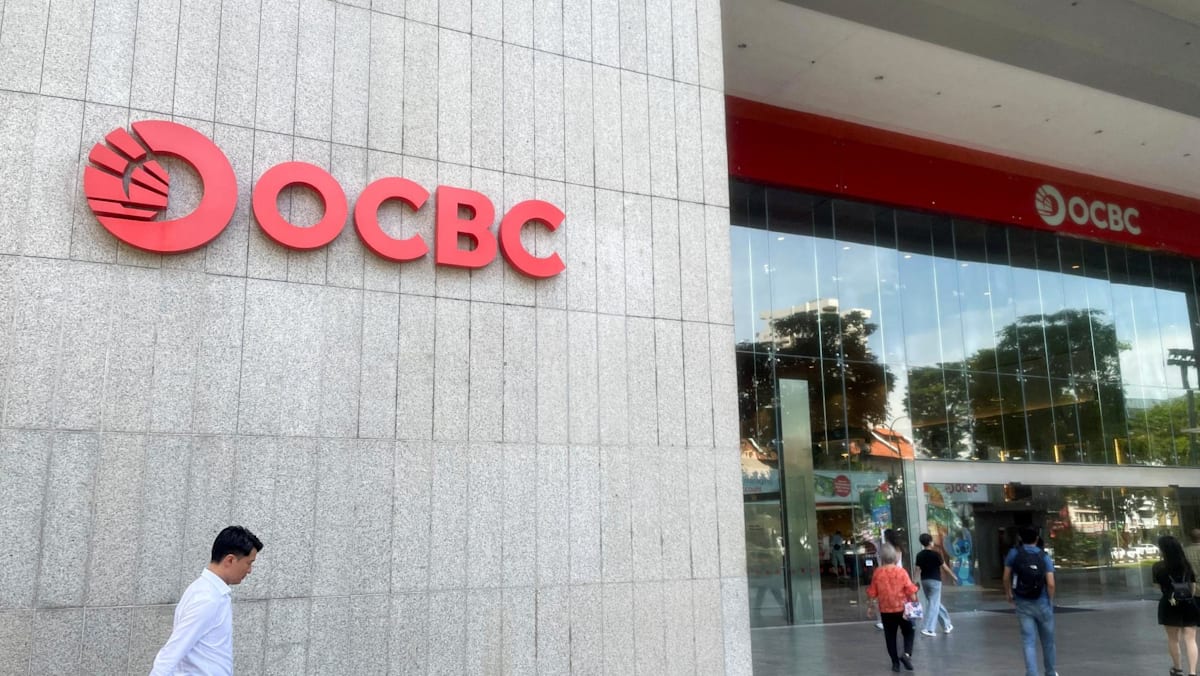
Singapore's OCBC and UOB banks posted higher Q2 profits, driven by record wealth fees and diversified income streams. OCBC's net profit rose 22% to S$2.22 billion, while UOB's net profit increased 10% to S$1.48 billion. The banks' strong capital, funding, and liquidity positions, as well as their diversified income streams, have enabled them to navigate uncertainties and tap growth se…
Imagine you have a piggy bank where you save your money. Now, imagine that the piggy bank earns money from the money you save, and also from the money you use to buy things. That's kind of like what OCBC and UOB banks do. They help people save and invest their money, and they also earn money from the money they help people use. This is called wealth management, and it's a big part of why the banks are making so much money.
Analysis
Record Wealth Fees Drive Profit Growth
OCBC and UOB's higher Q2 profits can be attributed to record wealth fees, which rose 51% and 5% respectively. This growth is a testament to the banks' ability to tap into the wealth management sector and provide diversified income streams. The strong demand for wealth management services is driven by the increasing wealth of individuals in the region, particularly in Singapore.
Diversified Income Streams
Both OCBC and UOB have diversified their income streams to reduce their reliance on interest income. This strategy has paid off, as the banks have been able to navigate the low interest rate environment and deliver strong profits. The banks' diversified income streams include fees from wealth management, insurance, and trading, which have contributed significantly to their profits.
Strong Capital, Funding, and Liquidity Positions
OCBC and UOB have strong capital, funding, and liquidity positions, which have enabled them to navigate uncertainties and tap growth sectors. The banks' strong capital positions have also enabled them to invest in new technologies and expand their customer base. The banks' funding and liquidity positions are also robust, which has enabled them to meet their short-term obligations and invest in long-term growth opportunities.
Key points
- OCBC and UOB reported higher Q2 profits, driven by record wealth fees and diversified income streams.
- The banks' strong capital, funding, and liquidity positions have enabled them to navigate uncertainties and tap growth sectors.
- The banks' diversified income streams include fees from wealth management, insurance, and trading.
- OCBC's net profit rose 22% to S$2.22 billion, while UOB's net profit increased 10% to S$1.48 billion.
If OCBC and UOB continue to grow their wealth management business and diversify their income streams, they may be able to deliver even stronger profits in the future. The banks' strong capital, funding, and liquidity positions also give them the flexibility to invest in new technologies and expand their customer base, which could lead to further growth.
However, the banks' profits may be affected by changes in interest rates or economic conditions. If interest rates rise, the banks may see a decrease in their net interest margins, which could impact their profits. Additionally, if the economy slows down, the banks may see a decrease in demand for their services, which could also impact their profits.