Oil rises on concerns over Strait of Hormuz reopening plans
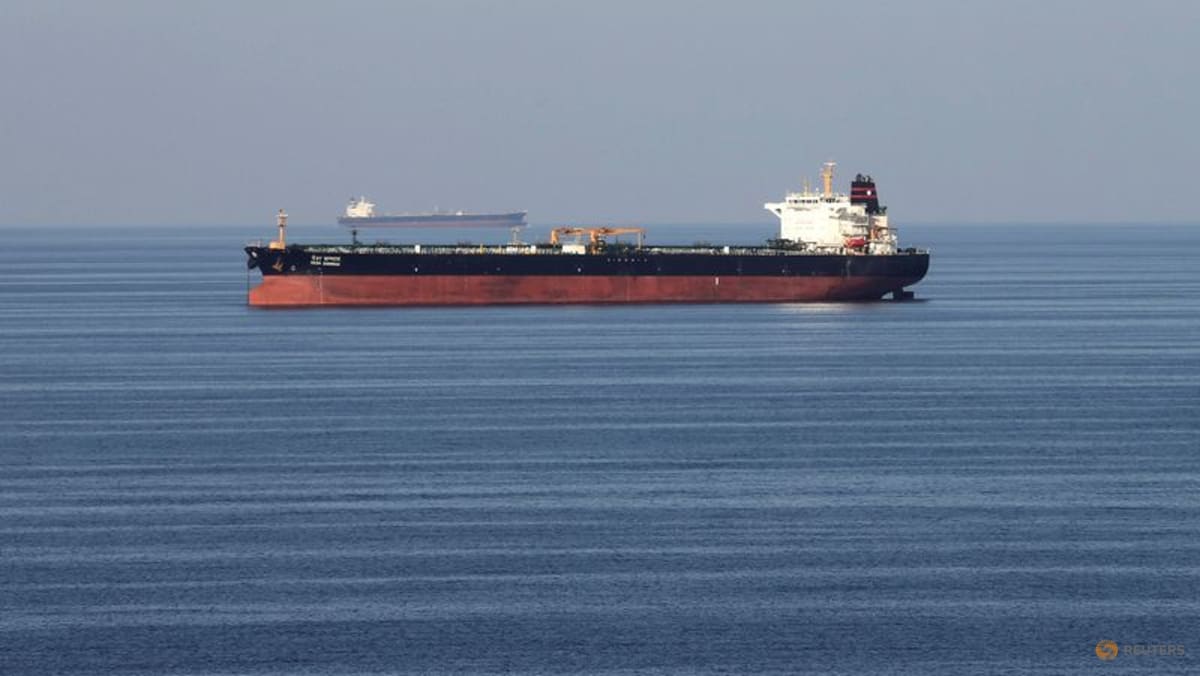
Oil continued its rise on Friday amid further concerns around the opening of the Strait of Hormuz as Iran, working with Oman, suggested banning vessels deemed hostile from the strait and heavily fining those who violated the proposed rules.
Intelligence analysis by Llama
Oil prices rose on Friday as concerns over the reopening of the Strait of Hormuz grew, with Iran and Oman suggesting a ban on hostile vessels and heavy fines for violators. The proposed deal is not easily workable due to US sanctions and restrictive insurance clauses.
Imagine a big waterway that lots of oil ships use to get from one place to another. If someone tries to block this waterway, it can cause big problems for the oil ships and the people who use the oil. That's what's happening with the Strait of Hormuz. Some countries are trying to figure out how to make sure the oil ships can still use the waterway safely.
Analysis
Proposed Deal Not Easily Workable Due to US Sanctions and Restrictive Insurance Clauses
The proposed deal between Iran, Oman, and the US to reopen the Strait of Hormuz is not easily workable due to US sanctions and restrictive insurance clauses on any payments. Four industry sources have said that the deal is not easily workable due to these factors.
Iran Seeking Fees of Between 5% and 7% of Cargo Value
Iran is seeking fees of between 5% and 7% of the price of cargoes from ships using the strait, according to a senior Iranian official. Oman is discussing fees of around 3%, while Washington wants no fees at all.
Skepticism Remains Low
Markets have already seen at least one short-lived arrangement earlier this year, so confidence that a new pact would fully restore normal tanker movements remains low, said Tim Waterer, chief market analyst at KCM Trade. An Iranian lawmaker said a parliamentary committee is reviewing a preliminary bill to ban US, Israeli, and other vessels deemed hostile from the Strait of Hormuz, and fine violators of the proposed restrictions up to 20% of cargo value, according to Fars news agency.
Key points
- Oil prices rose on Friday as concerns over the reopening of the Strait of Hormuz grew
- Iran and Oman suggested a ban on hostile vessels and heavy fines for violators
- The proposed deal is not easily workable due to US sanctions and restrictive insurance clauses
- Iran is seeking fees of between 5% and 7% of cargo value
- Oman is discussing fees of around 3%
- Washington wants no fees at all
If the proposed deal is successful, it could lead to a significant reduction in oil prices and a boost to the global economy. However, the success of the deal is uncertain and will depend on various factors, including the ability of the parties to agree on the terms of the deal and the impact of US sanctions and restrictive insurance clauses.
If the proposed deal fails, it could lead to a significant increase in oil prices and a negative impact on the global economy. Additionally, the conflict in the region could escalate, leading to further disruptions to oil supplies and a negative impact on the global economy.