Oil price passes $100 a barrel again as Middle East conflict escalates
The oil price has climbed back above $100 a barrel for the first time in two months, as a fresh escalation of the Middle East conflict threatens to compound disruption to global oil supplies.
Intelligence analysis by Llama
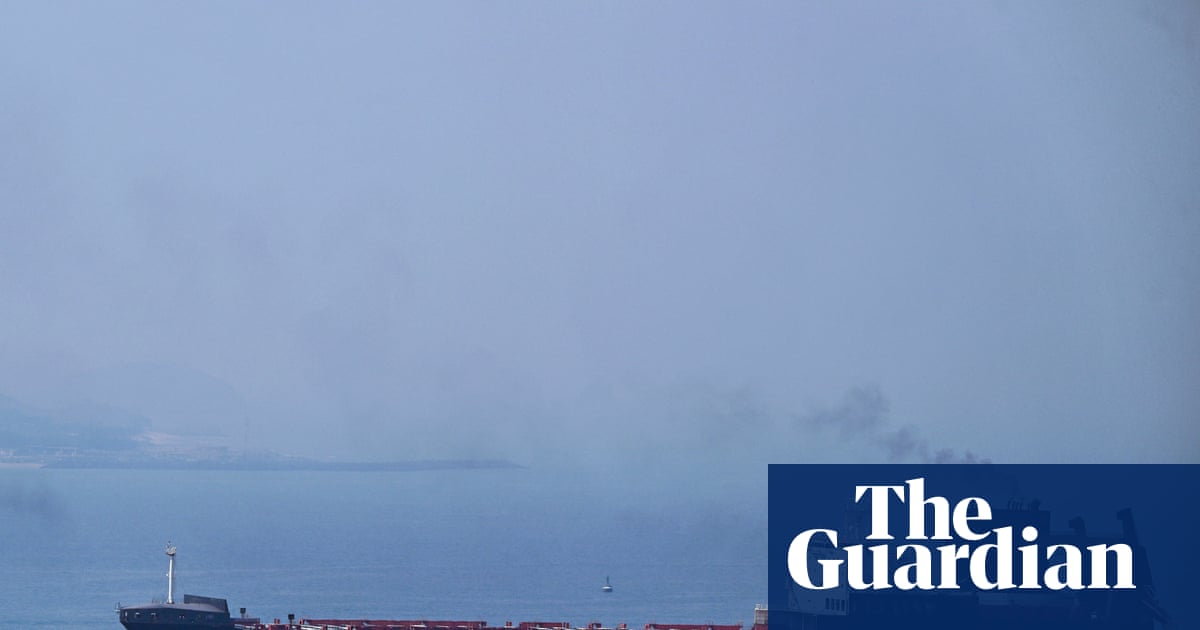
The oil price has surged past $100 a barrel amid fears that Yemen's Houthi militia could strangle Saudi oil exports through the Red Sea, while US-Iran tensions over oil flows through the strait of Hormuz intensify.
Imagine you're on a road trip, and the price of gas keeps going up. That's what's happening with oil prices right now. The price of oil has gone up because of a conflict in the Middle East, which is making it harder to get oil from one place to another. This is making the price of oil go up, which can affect the price of things we buy every day.
Analysis
A $60B Vote of Confidence
The recent escalation of the Middle East conflict has sent shockwaves through the global oil market, with the price of Brent crude surging past $100 a barrel. This development has significant implications for the global economy, particularly for countries heavily reliant on oil imports. The conflict has already disrupted oil supplies, with the Houthi militia in Yemen threatening to strangle Saudi oil exports through the Red Sea. The situation is further complicated by US-Iran tensions over oil flows through the strait of Hormuz. The oil price peaked at $126 a barrel in April during the conflict, but fell back below $100 in late May and had fallen to as low as $71 at the start of July amid hopes of a ceasefire in the region. The price has started to climb again after the memorandum of understanding between the US and Iran fell apart and fresh hostilities broke out in the Gulf.
Why Cursor?
The recent increase in oil prices is a clear indication of the ongoing tensions in the Middle East. The conflict has already had a significant impact on the global economy, and it is likely to continue to do so in the coming months. The oil price increase has significant implications for countries heavily reliant on oil imports, and it is essential for policymakers to take a proactive approach to mitigate the effects of this development.
The Road Ahead
The future of the Middle East conflict is uncertain, and it is difficult to predict how the situation will unfold. However, one thing is clear: the oil price increase has significant implications for the global economy, and it is essential for policymakers to take a proactive approach to mitigate the effects of this development. The situation is further complicated by US-Iran tensions over oil flows through the strait of Hormuz, and it is likely to continue to do so in the coming months.
Key points
- The oil price has climbed back above $100 a barrel for the first time in two months.
- The conflict in the Middle East is disrupting oil supplies and threatening to strangle Saudi oil exports through the Red Sea.
- US-Iran tensions over oil flows through the strait of Hormuz are further complicating the situation.
- The oil price peaked at $126 a barrel in April during the conflict, but fell back below $100 in late May and had fallen to as low as $71 at the start of July.
- The price has started to climb again after the memorandum of understanding between the US and Iran fell apart and fresh hostilities broke out in the Gulf.
If the conflict in the Middle East is resolved, the oil price could decrease, leading to lower prices at the pump and a boost to the global economy.
If the conflict in the Middle East continues to escalate, the oil price could continue to rise, leading to higher prices at the pump and a negative impact on the global economy.