Oil price rises after Iran says it stops ships in Hormuz
Oil prices rose on Friday after Iran said it had stopped two vessels seeking to exit the Strait of Hormuz, underscoring concerns over global energy supplies.
Intelligence analysis by Llama
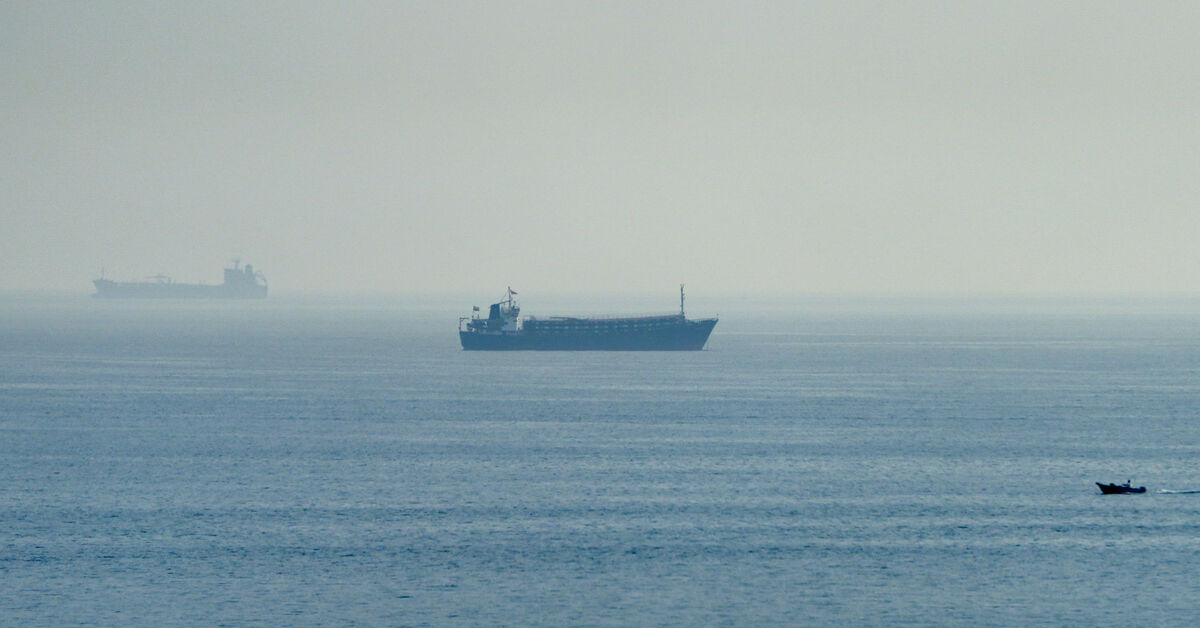
Iran's decision to block ships in the Strait of Hormuz has led to a rise in oil prices, with traders citing the Iranian reports. The move has sparked concerns over global energy supplies, with some ships negotiating passage with Tehran.
Imagine a big waterway that lots of ships use to get oil from one place to another. Iran is blocking this waterway, which is making it harder for ships to get the oil they need. This is making oil prices go up, which can affect the global economy.
Analysis
A $60B Vote of Confidence
Iran's decision to block ships in the Strait of Hormuz has sent shockwaves through the global energy market, with oil prices rising over 1% on Friday. The move has sparked concerns over global energy supplies, with some ships negotiating passage with Tehran. The Strait of Hormuz is a critical waterway for global energy supplies, and Iran's actions have significant implications for the global economy.
Iran's Houthi allies in Yemen have also threatened the Bab el-Mandeb, a third export route for Saudi crude. This has led to a growing volume of Saudi oil being diverted north up the Red Sea toward the Suez Canal and the SUMED pipeline. Asian customers, however, are facing a longer voyage around Africa instead of south via the Gulf of Aden.
The situation has led to a growing sense of unease in the region, with Saudi Arabia unveiling plans for a multinational maritime defence coalition aimed at protecting international shipping and energy supply routes in the Red Sea region. Oman has also presented Iran with a plan backed by Gulf states to manage the Strait of Hormuz, including collecting voluntary fees for using it.
The situation is complex and multifaceted, with various parties involved and competing interests at play. However, one thing is clear: Iran's actions have significant implications for the global economy, and the situation will continue to unfold in the coming days and weeks.
Key points
- Iran has blocked ships in the Strait of Hormuz, leading to a rise in oil prices.
- The move has sparked concerns over global energy supplies.
- Saudi Arabia has unveiled plans for a multinational maritime defence coalition.
- Oman has presented Iran with a plan to manage the Strait of Hormuz.
If Iran and its allies can find a way to resolve their differences and allow ships to pass through the Strait of Hormuz, oil prices could stabilize and even decrease. This would be a positive development for the global economy.
If Iran continues to block ships in the Strait of Hormuz, oil prices could continue to rise, leading to economic instability and potential shortages. This would be a negative development for the global economy.