Oman and Iran in Hormuz Strait Talks; Iran Warns of Conditions for Reopening
Oman and Iran are having positive talks on a deal to secure the Strait of Hormuz, while Iran warns any agreement won't immediately reopen the strait. Oman's foreign ministry warned against attacks that could hinder progress.
Intelligence analysis by Qwen 2.5 (3B)
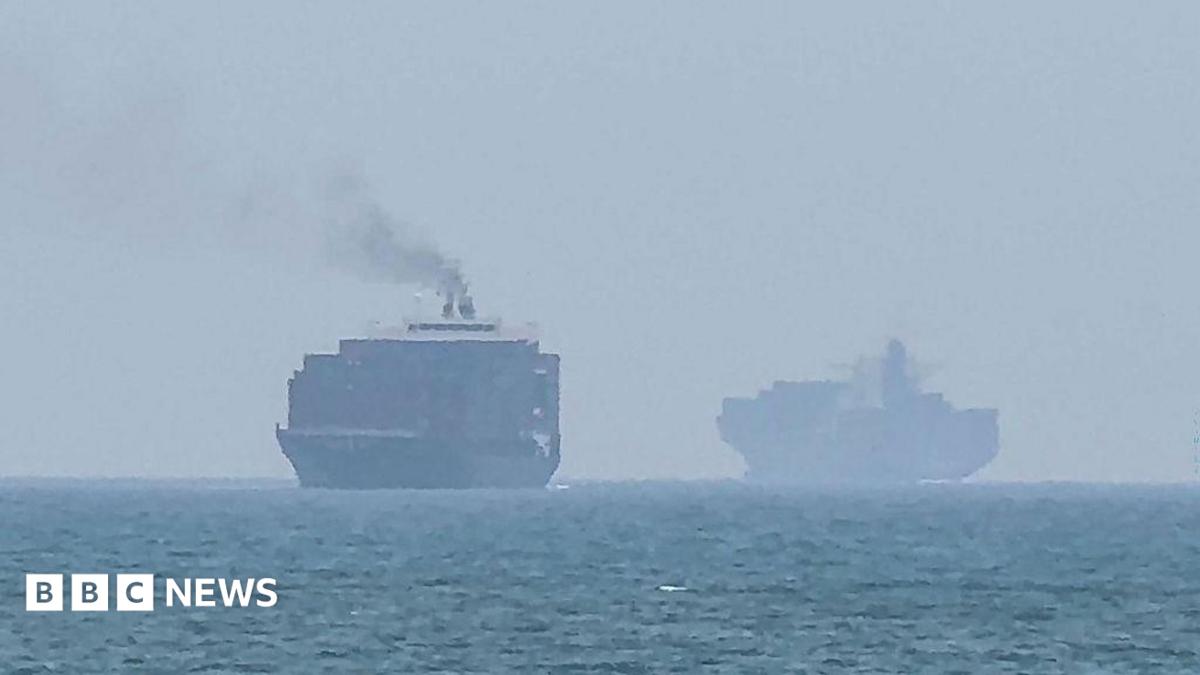
Oman and Iran discuss securing the Hormuz Strait through a new route with potential conditions for reopening still unclear. Iran says it will not reopen until US meets demands.
Oman and Iran are talking about how to safely use a new path through a waterway called the Hormuz Strait. Iran says they won't open it until America fixes some problems first.
Analysis
{"#Oman's Warning Against Attacks":-1,"Oman has warned against attacks on shipping that could hamper discussions about a new route through the Hormuz Strait. This is crucial as any disruption could derail progress towards reopening the strait. The foreign ministry emphasized the need for calm and cooperation to ensure maritime safety and facilitate negotiations. Oman's stance highlights the importance of maintaining peace and stability in the region, especially given the sensitive nature of the Hormuz Strait and its impact on global oil supply chains. Any attacks or threats could jeopardize these efforts and potentially lead to further tensions and instability in the area. The foreign ministry's message serves as a reminder that all parties involved must prioritize dialogue and cooperation over confrontation to achieve a mutually beneficial solution for reopening the strait. It underscores the need for responsible behavior from all stakeholders, including Iran and other regional actors, to ensure a peaceful resolution to this ongoing issue. Oman’s warning against attacks is a crucial step in fostering an environment conducive to productive negotiations and ultimately achieving a safe and secure passage through the Hormuz Strait for global maritime traffic.":-2,"#Iran's Conditions for Reopening":-1,"Iran has stated that any deal to reopen the Hormuz Strait will depend on meeting certain conditions. These include receiving compensation from the US for alleged violations of their June 2023 Memorandum of Understanding (MoU), a document signed between Iran and Oman aimed at ending hostilities and advancing talks towards resolving conflicts in the region. The Iranian Foreign Minister, Abbas Araghchi, has indicated that these conditions are necessary to ensure a full reopening of the strait. However, he also noted that other factors may influence this process, suggesting that there is still some uncertainty surrounding when and how the Strait might be reopened. This condition highlights the complex nature of negotiations in the region and underscores the need for both parties to address their grievances and find common ground before any significant progress can be made. The Iranian stance on compensation and other conditions serves as a reminder of the ongoing disputes between Iran and the US, which have persisted despite previous attempts at resolution through diplomatic channels. It also reflects the broader geopolitical landscape in the region, where multiple actors are involved and each party seeks to protect its interests and resolve conflicts in their favor.":-2,"#US Diplomacy and Military Tools":-1,"Vice-President JD Vance has expressed skepticism about a quick resolution of the Hormuz Strait issue. He stated that work remains to be done even if progress is being made towards reopening the strait. Vance highlighted the use of various tools by the US, including diplomatic, economic, and military measures, to ensure an optimal outcome for American interests. This underscores the complex nature of negotiations in the region and the need for a multifaceted approach to address both political and security concerns. The mention of these tools also serves as a reminder that the US is committed to finding a solution that benefits its national security and economic interests while maintaining stability in the Hormuz Strait area.":-2}
Key points
- Oman and Iran are discussing a new route for ships through the Hormuz Strait
- Iran has conditions for reopening the strait including compensation from the US
- Vice-President JD Vance is skeptical about quick resolution of the issue
If Oman and Iran can find a way to agree on a safe route, shipping traffic could continue without interruptions. This would help keep oil prices stable and ensure global supply chains remain smooth.
If the talks fail or if attacks continue, it could lead to more disruptions in shipping activities through the Hormuz Strait, potentially causing higher oil prices and affecting economies worldwide.