On Taiwan, the Trump-Xi summit offered more than optics
The article argues the Trump-Xi summit was not just symbolic. It says the meeting could make China-US relations, especially on Taiwan, more predictable.
Intelligence analysis by GPT-5.4 Mini
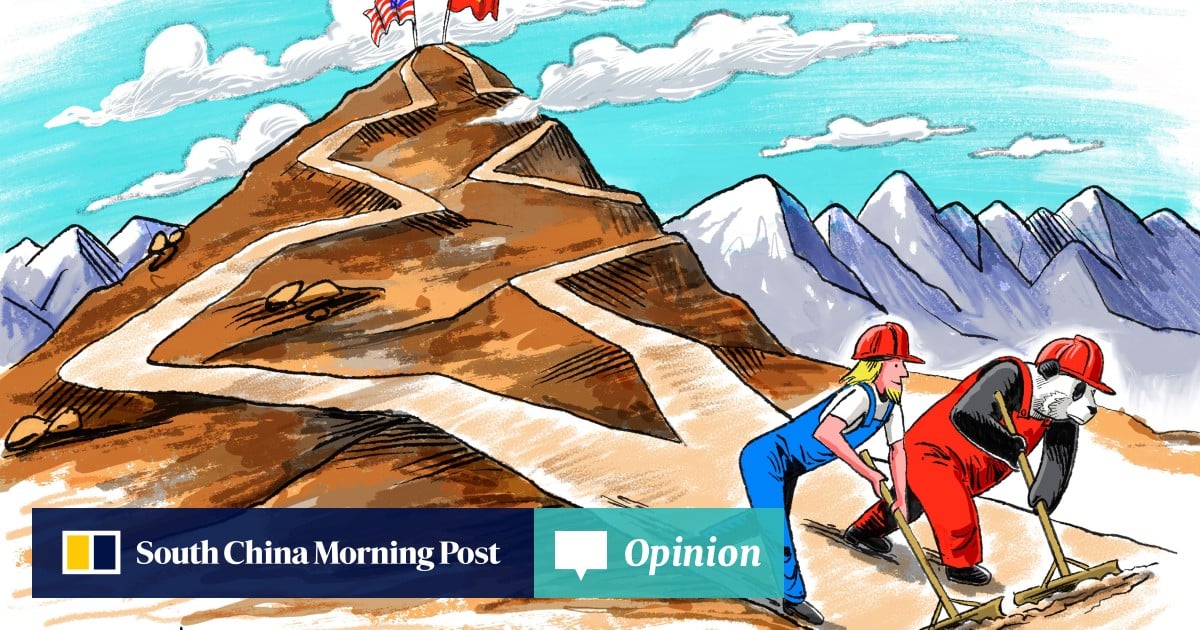
The piece pushes back on the idea that the Beijing summit was all image and no substance. It argues the meeting may have reset how Washington and Beijing manage rivalry over Taiwan, and uses a Bush-era example to show how quickly US policy can shift under changing priorities.
The article says the meeting was not just a photo moment. It was more like two neighbors agreeing on ground rules so a tense fence fight does not suddenly get worse.
Analysis
The article’s central claim
The piece argues that the Trump-Xi summit should not be dismissed as a media event with little real impact. In the writer’s view, the meeting in Beijing may have laid groundwork for a steadier China-US relationship, including on cross-strait issues.
Why Taiwan is the test case
The article uses history to show how Washington’s posture on Taiwan can change when broader US priorities shift. It points to April 2001, when George W. Bush publicly said the United States would do what it took to help Taiwan defend itself, after having framed China as a strategic competitor during his campaign.
That hard line did not last in the same way. After the September 11 attacks, counterterrorism became the dominant US priority, and Washington moved toward more practical cooperation with Beijing. In that period, the two sides worked together to restrain Taiwan’s then leader, Chen Shui-bian.
A lesson about predictability
The article says Bush eventually went public in December 2003 with a clear warning against unilateral changes to the status quo by either China or Taiwan. That example is used to support the broader argument: US policy toward Taiwan is often shaped by wider strategic needs, not just rhetoric.
The framing suggests the summit may have done more than create optics. It may have helped define rules for managing rivalry, which matters because Taiwan is one of the most dangerous pressure points in the relationship.
Key points
- The article rejects the idea that the summit was only about optics.
- It says the meeting may have made China-US ties more predictable, especially on Taiwan.
- A Bush-era example is used to show how quickly US policy can shift when priorities change.
- The article highlights that Washington and Beijing have previously cooperated to restrain Taiwan leaders when wider US interests took precedence.
If the summit’s effect holds, China and the US could handle Taiwan with fewer surprises and clearer signals. That would make the rivalry more predictable and reduce the chance of a sudden crisis.
If the meeting turns out to be only symbolic, the underlying Taiwan dispute will still be there. A change in priorities or a new political flashpoint could quickly undo any calm the summit created.