One UK mosque attacked 'every five days', says British Muslim Trust
The British Muslim Trust reports more than 70 attacks on UK mosques in the past year, roughly one every five days, with London, Greater Manchester and the West Midlands the top hotspots. The group warns funding access is slow and urges the government to act faster.
Intelligence analysis by Llama
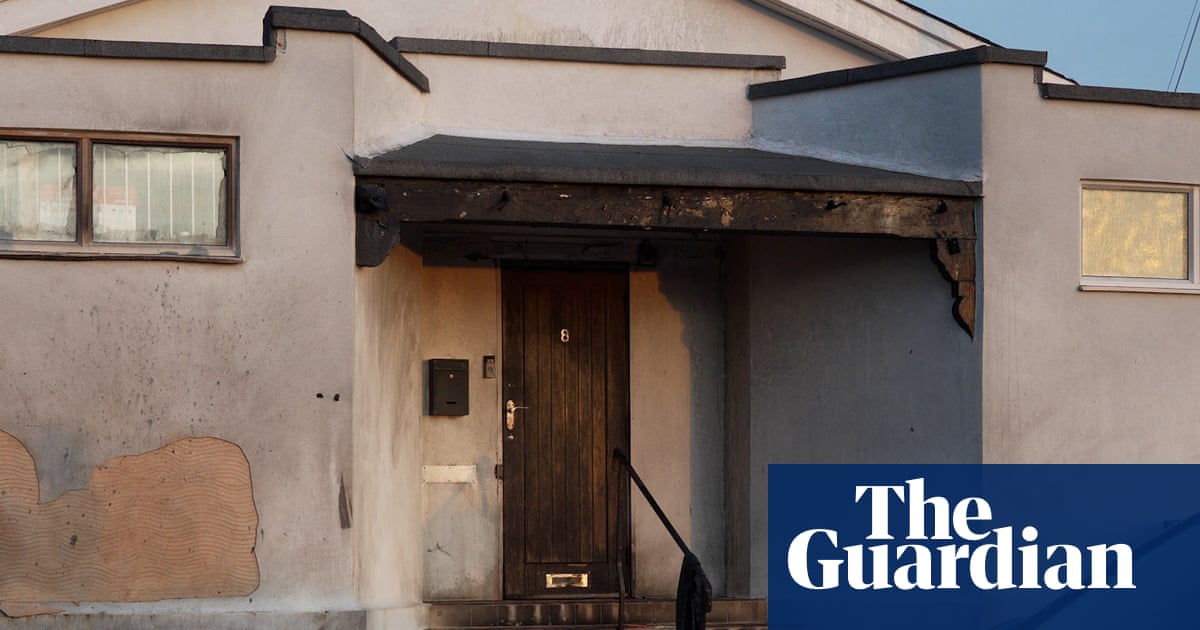
Britain's Muslim community is facing an escalating pattern of mosque attacks — over 70 in the past year — with intimidation, arson, vandalism and online abuse recorded. The British Muslim Trust says government security funding of up to £40m is being slowed by a backlog, leaving mosques waiting up to 18 months for help.
Imagine if someone kept knocking on your school's door, breaking the windows, or writing mean things on the wall — and the grown-ups in charge took a year and a half to fix the lock. That's what's happening to mosques in the UK right now, with about one being damaged or threatened every five days, and Muslim leaders saying the government isn't moving fast enough to help.
Analysis
A Mosque Attacked Every Five Days
The British Muslim Trust's figures translate into a stark rhythm: somewhere in the UK, a mosque is targeted roughly every five days. Over the past year, more than 70 incidents were logged, ranging from intimidation and harassment to arson, property damage and online abuse. The geographic concentration is telling — London recorded nine separate attacks, Greater Manchester and the West Midlands round out the top three, and one Birmingham mosque was attacked three times in 12 months. That clustering suggests the problem is not random but tied to specific communities already under strain. The pattern aligns with Home Office data showing anti-Muslim hate crime in England and Wales rose 19% in the year to March 2025, giving the trust's count a second, official corroboration.
The £40m Fund and the 18-Month Wait
Earlier in 2026, the government announced up to £40m for the protective security for mosques scheme, allowing congregations to apply for CCTV, alarms, fencing and security personnel. On paper, that is a record commitment. In practice, the British Muslim Trust says many mosques are waiting up to 18 months to receive funds, with others denied without explanation. Chief executive Akeela Ahmed argues the application process — which requires evidence of hate crime incidents or vulnerability — creates a significant barrier, since many low-level incidents go unreported or uninvestigated. The trust's recommendation is straightforward: devolve the fund so money reaches mosques faster. The gap between announcement and delivery is now the story, and the Home Office's response — that it is "working to process all applications as quickly as possible" — concedes the bottleneck without resolving it.
Hostile Attitudes Seeping Into the Mainstream
Underneath the incident count lies a more uncomfortable survey finding: a joint study by the British Muslim Trust and British Future found that one in six Britons believe the growth of the Muslim population "poses a foundational threat to UK culture." That share is large enough to suggest hostile attitudes are no longer confined to fringe actors but are being normalised in mainstream opinion. Combined with previous Guardian reporting that Islamophobic posts about Sadiq Khan more than doubled in a year, the data points to a climate in which mosque attacks are not aberrations but symptoms. The trust's call to drop burdensome application requirements is, in effect, a request to treat mosque protection as routine public safety rather than a case-by-case favour. Until that shift happens, the five-day clock will keep ticking.
Key points
- British Muslim Trust logged more than 70 attacks on UK mosques in the past year — roughly one every five days
- London, Greater Manchester and the West Midlands are the top three hotspots, with one Birmingham mosque hit three times in 12 months
- Home Office data shows anti-Muslim hate crime in England and Wales rose 19% in the year to March 2025
- Government pledged up to £40m for mosque security, but the trust says some applications take up to 18 months and others are denied without explanation
- A joint British Muslim Trust–British Future study found one in six Britons view Muslim population growth as a 'foundational threat to UK culture'
If the Home Office devolves the £40m fund and streamlines applications, mosques could receive security upgrades within weeks rather than 18 months, reducing both the physical risk and the climate of fear. A faster, more visible response — paired with clearer prosecution of low-level incidents — could also signal to the wider public that anti-Muslim hostility is not tolerated, helping to push back against the normalisation flagged in the British Future survey.
If the application backlog persists and police continue to deprioritise lower-level incidents, mosques remain exposed and communities are likely to experience a further acceleration of attacks. With one in six Britons already viewing Muslim population growth as a cultural threat, the political space for tougher action could narrow, leaving the trust's warning about "building momentum" to materialise into a more serious incident.