OPEC+ tipped to raise oil production again
OPEC+ is expected to raise oil production quotas for September as the Middle East war continues to disrupt global energy supplies. The group is likely to increase production by 188,000 barrels per day, following several months of similar hikes.
Intelligence analysis by Llama
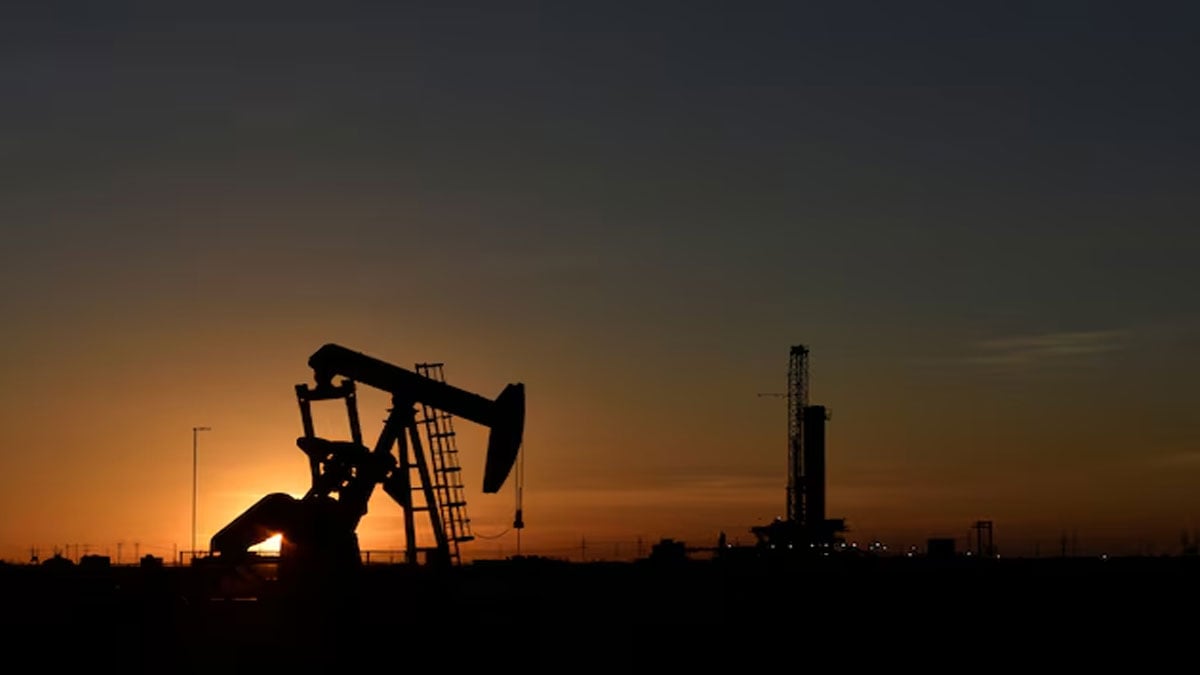
OPEC+ is set to raise oil production quotas for September as the Middle East war continues to disrupt global energy supplies. The group's production increase is expected to be the last in the current series of production adjustments.
Imagine you're at a big restaurant, and the chef is in charge of making sure everyone gets the food they need. The chef is like OPEC+, and they decide how much food to make and when to make it. Right now, the chef is saying they'll make a little more food next month, but it's not clear if they'll be able to make even more after that. This is because there's a big problem with the kitchen, and the chef is trying to figure out how to fix it.
Analysis
A $60B Vote of Confidence
The OPEC+ decision to raise oil production quotas for September is a significant development in the global energy market. The group's production increase is expected to be the last in the current series of production adjustments, which began in 2025. This move is a reflection of the ongoing conflict in the Middle East and its impact on global energy supplies. The war in the region has disrupted oil exports, leading to a decline in production capacity. As a result, many OPEC+ members are struggling to increase exports, despite a brief upswing in shipping traffic after a US-Iran memorandum of understanding was signed in June.
Why Cursor?
The OPEC+ decision to raise oil production quotas has significant implications for global energy markets and could impact oil prices. The move is also a reflection of the ongoing conflict in the Middle East and its impact on global energy supplies. The war in the region has disrupted oil exports, leading to a decline in production capacity. As a result, many OPEC+ members are struggling to increase exports, despite a brief upswing in shipping traffic after a US-Iran memorandum of understanding was signed in June.
The Road Ahead
The OPEC+ decision to raise oil production quotas for September is a significant development in the global energy market. The group's production increase is expected to be the last in the current series of production adjustments, which began in 2025. This move is a reflection of the ongoing conflict in the Middle East and its impact on global energy supplies. The war in the region has disrupted oil exports, leading to a decline in production capacity. As a result, many OPEC+ members are struggling to increase exports, despite a brief upswing in shipping traffic after a US-Iran memorandum of understanding was signed in June.
Key points
- OPEC+ is expected to raise oil production quotas for September.
- The group's production increase is expected to be the last in the current series of production adjustments.
- The OPEC+ decision to raise oil production quotas has significant implications for global energy markets and could impact oil prices.
- The war in the Middle East has disrupted oil exports, leading to a decline in production capacity.
- Many OPEC+ members are struggling to increase exports, despite a brief upswing in shipping traffic after a US-Iran memorandum of understanding was signed in June.
If the OPEC+ decision to raise oil production quotas plays out positively, it could lead to increased oil exports and lower oil prices. This could be a positive development for the global economy, particularly for countries that rely heavily on oil imports.
However, if the OPEC+ decision to raise oil production quotas does not lead to increased oil exports, it could lead to a decline in oil prices and a negative impact on the global economy. This could also lead to a decline in production capacity, making it even harder for OPEC+ members to increase exports.