Operation Safed Sagar’s last scene between Alka Ahuja, BS Dhanoa never really happened
The web series "Operation Safed Sagar" included a poignant final scene between Alka Ahuja and BS Dhanoa that did not occur in real life, a creative decision by co-creator Abhijeet Singh Parmar for emotional impact.
Intelligence analysis by Gemini 2.5 Flash
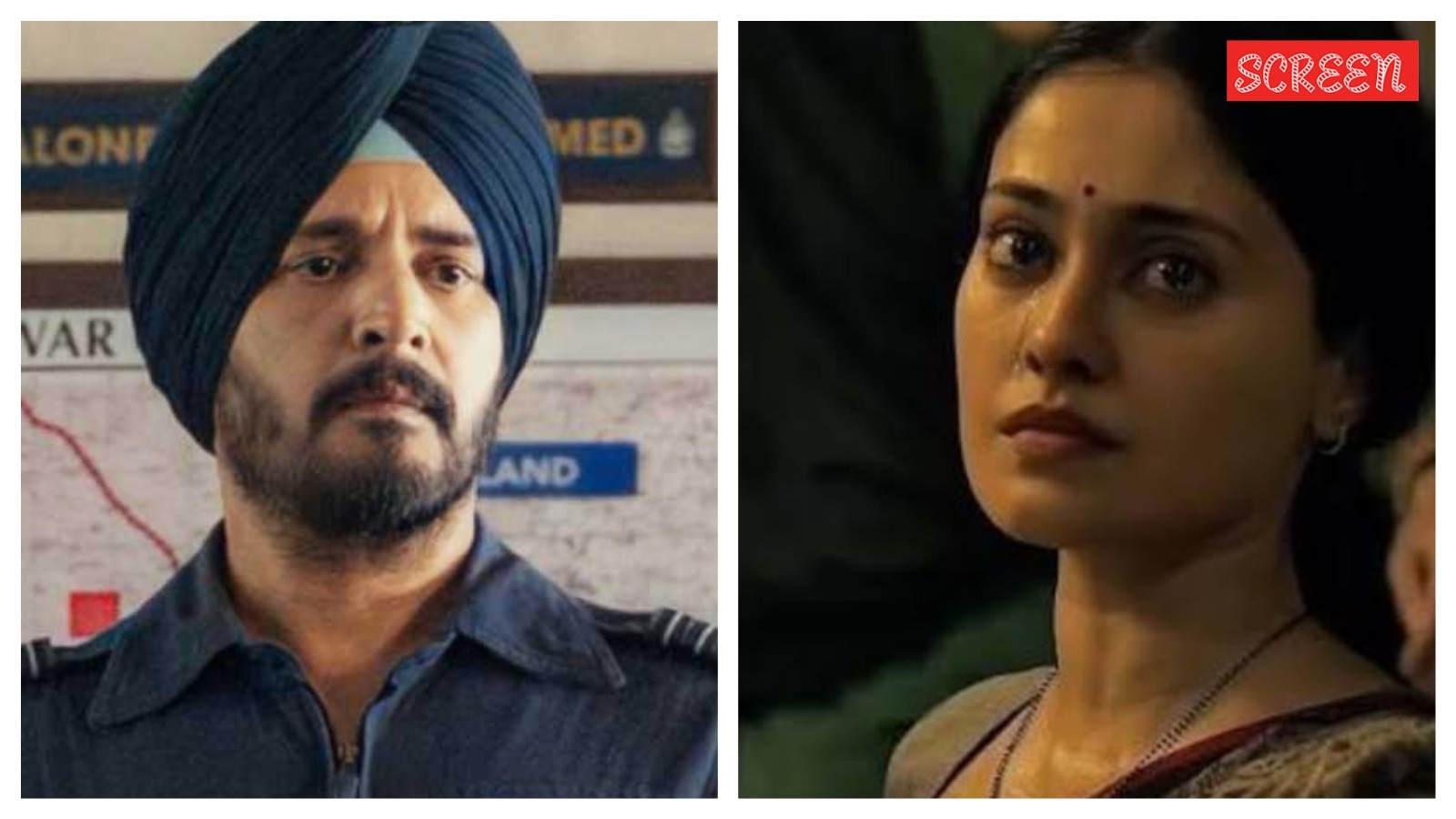
The Netflix India series, which focuses on the Indian Air Force's role in the 1999 Kargil War, concludes with a fictional meeting where Tony (BS Dhanoa) apologizes to Alka Ahuja for her husband Ajay's death. Co-creator Abhijeet Singh Parmar explained this liberty was taken to provide an emotionally resonant ending, focusing on the human cost of war rather than just victory.
Imagine a TV show about a brave war, like the Kargil War, where soldiers fight for their country. At the very end, the show adds a sad goodbye scene between a soldier's wife and his commanding officer, where they talk about the soldier who died. Even though this exact conversation never happened in real life, the people making the show put it in because they wanted to show how sad and complicated war can be for people, not just about winning battles. It was like adding a special hug to make a story feel complete and more touching.
Analysis
The decision to include a fictional emotional scene in "Operation Safed Sagar" underscores a common challenge in historical storytelling: balancing factual accuracy with dramatic impact. While the series meticulously portrays the Indian Air Force's involvement in the 1999 Kargil War, its co-creator, Abhijeet Singh Parmar, consciously chose to deviate from reality for the series' conclusion. This choice aimed to provide a more profound emotional resolution for the characters most affected by the conflict, moving beyond a simple depiction of military victory.
Abhijeet Singh Parmar
Abhijeet Singh Parmar, the co-creator of "Operation Safed Sagar," articulated his rationale for the controversial final scene. He spent considerable time contemplating how to conclude a war story effectively after the triumph, desiring an ending that transcended mere victory. Parmar sought to focus on the personal aftermath and the deep emotional toll on individuals, specifically the two characters most profoundly impacted by the war's events. This creative decision, though initially met with skepticism from some crew members, was ultimately deemed essential for the series' emotional integrity.
Parmar's vision was to bring together Alka Ahuja and BS Dhanoa in a moment of shared grief and reconciliation. He felt that this interaction, even if fabricated, would encapsulate the human element of loss and forgiveness that often follows such intense conflicts. The scene allowed for a powerful exchange where Tony could express his guilt and Alka could offer solace, providing a cathartic closure that a purely factual account might not have achieved. This artistic choice reflects a broader trend in historical dramas to prioritize emotional resonance alongside historical depiction.
Jimmy Shergill
Actor Jimmy Shergill, who portrays BS Dhanoa (Tony) in the series, played a crucial role in advocating for the inclusion of this particular scene. Despite initial reservations from other crew members who considered it "extra and not needed," Shergill supported Parmar's creative instinct. His endorsement was instrumental in ensuring the scene made the final cut, highlighting the collaborative nature of filmmaking and the importance of key cast members believing in the artistic direction. Shergill's performance in the scene was also highly praised by Parmar, who described it as one of the most special moments in the show.
Shergill's support suggests an understanding of the scene's dramatic weight and its potential to elevate the narrative beyond a straightforward war chronicle. His portrayal of Tony's vulnerability and remorse, coupled with Alka's compassionate response, created a powerful moment that resonated deeply with the co-creator. This collaboration between director and actor underscores how creative decisions, even those departing from historical fact, can be justified by their contribution to the overall emotional impact and artistic quality of a production.
Ajay Ahuja
The character of Squadron Leader Ajay Ahuja is central to the emotional core of the series and the rationale behind the fictional scene. Ajay, an old friend and decorated pilot, is brought to Tony's base to train young recruits, establishing a strong bond between the two men and their families. His tragic death, when his fighter jet is shot down and he is subsequently captured, tortured, and killed by the Pakistani army, serves as the catalyst for Alka's grief and her initial confrontation with Tony.
The series depicts Alka holding Tony accountable for not protecting her husband, a natural reaction to such a profound loss. Tony's inability to rescue Ajay, despite his attempts to fly across the Line of Control, is a source of deep personal anguish for him, compounded by the military necessity of being stopped by Air Marshal Vinod Patney to prevent further capture. The fictional scene provides a much-needed resolution to this emotional conflict, allowing Tony to apologize and Alka to offer forgiveness, thereby bringing closure to the profound impact of Ajay's sacrifice on their lives.
Key points
- The Netflix series "Operation Safed Sagar" depicts the 1999 Kargil War.
- Its final emotional scene, showing a meeting between Alka Ahuja and BS Dhanoa, did not happen in real life.
- Co-creator Abhijeet Singh Parmar included the scene to provide an emotional finish, focusing on the human impact of war.
- Actor Jimmy Shergill, who plays BS Dhanoa, supported the scene's inclusion despite initial crew skepticism.
- The scene features Tony apologizing for Ajay Ahuja's death, with Alka consoling him and offering forgiveness.
The inclusion of the fictional scene, despite initial crew resistance, ultimately enhanced the emotional depth and artistic merit of "Operation Safed Sagar." This creative liberty allowed the series to explore the profound human cost of war and the complexities of grief and forgiveness, potentially leading to a more impactful and memorable viewing experience for audiences.