Opponents of a Deal With the U.S. Rally in Tehran and Mashhad; 'Qalibaf, Araghchi, So What About My Leader's Blood?'
Protesters in Tehran and Mashhad denounced a possible agreement with the United States and targeted senior Iranian officials. The dispute exposed splits over diplomacy and leverage in the Strait of Hormuz.
Intelligence analysis by GPT-5.4 Mini
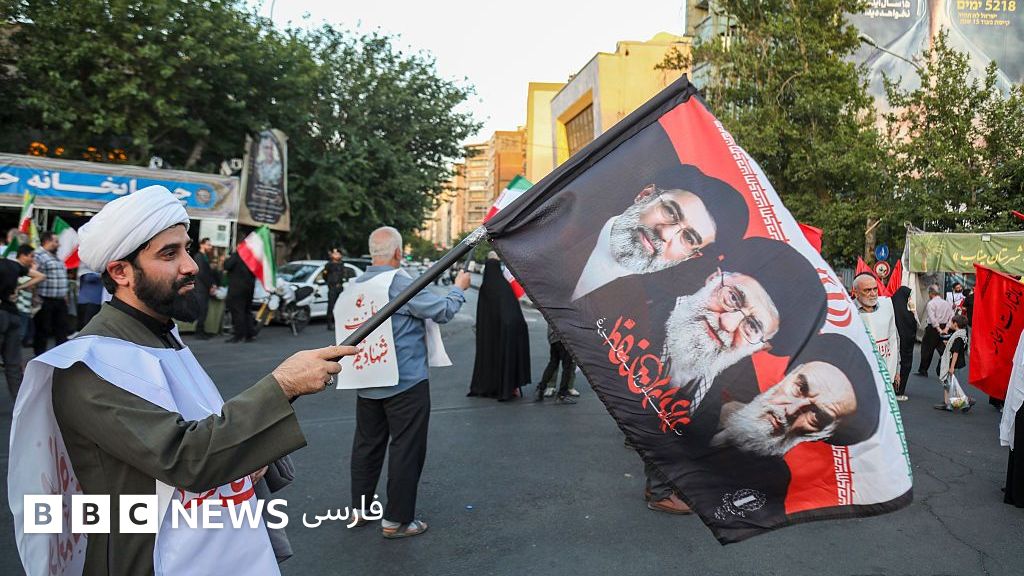
BBC Persian reports that hardline critics of a possible U.S.-Iran deal gathered in Tehran and Mashhad, chanting against Foreign Minister Abbas Araghchi and Parliament Speaker Mohammad-Baqer Qalibaf. The article sets the protests against a backdrop of conflicting claims about whether a deal is imminent.
People in Iran are arguing about a possible deal with America. Some marched in the streets and said it would hurt Iran, while others said talks are needed to calm things down, like people in a family disagreeing over whether to make peace.
Analysis
Street protests and political pressure
BBC Persian says opponents of a possible deal with the United States rallied in Tehran and Mashhad, with chants directed at Abbas Araghchi and Mohammad-Baqer Qalibaf. The Tehran gathering took place at Ibn Sina Square, where protesters reportedly shouted slogans such as calls for Araghchi to resign and a question invoking the blood of the leader.
A dispute over what the talks mean
The article says Donald Trump claimed the agreement would be signed the same day and that the Strait of Hormuz would immediately reopen to international shipping. It also notes that Iranian Foreign Ministry spokesman Esmail Baghaei rejected the idea of a final agreement, saying any possible understanding would only be a framework for continued talks. Iranian state television later carried remarks saying the expected memorandum would not be signed on Sunday.
Hardline criticism inside Iran
BBC Persian quotes Mahmoud Nabavian, a member of parliament's national security committee, as saying he had seen the final text and warning that Iran would effectively become a U.S. colony if it were signed. He also argued that the Strait of Hormuz would be reopened without restrictions, while sanctions relief and the release of frozen funds remained unclear. In another televised comment, he said enriched uranium would have to be diluted under the deal and questioned whether the text served national interests.
Supporters and counter-messaging
The article also says some supporters of the government backed efforts to end the conflict. Culture minister Abbas Salehi referred on X to a message attributed to Mojtaba Khamenei calling for unity and warning against turning disagreements into division. Abbas Araghchi, meanwhile, posted a video of pro-government supporters and described street support, diplomacy, and the state as aligned behind Iran.
Overall, the piece presents a country split between those who see diplomacy as necessary and those who see it as a strategic concession.
Key points
- Protesters in Tehran and Mashhad rejected a possible agreement with the United States.
- Chants targeted Abbas Araghchi and Mohammad-Baqer Qalibaf, both key figures in the process.
- Trump said the deal would be signed that day, while Iranian officials said no final agreement was set.
- Hardline critics argued the deal would weaken Iran's leverage over the Strait of Hormuz.
- Supporters of diplomacy framed the moment as a call for unity rather than division.
If the talks advance, the article suggests they could reduce conflict and create a path for continued negotiations. Supporters also frame the process as a way to keep the country united while pursuing diplomacy.
The protests show that any agreement could deepen political splits inside Iran and trigger more public backlash. The article also says key terms like sanctions relief and frozen funds remain unclear, which could fuel distrust and weaken support for a deal.