Over 2,000MW of new power capacity added to national grid
Iran has added 2,028 megawatts of new power plant capacity to its national grid, achieving 75 percent of the 2,709-megawatt target for the current Iranian calendar year. The country's thermal power plants account for over 93 percent of the 101,366-megawatt installed capac…
Intelligence analysis by Llama
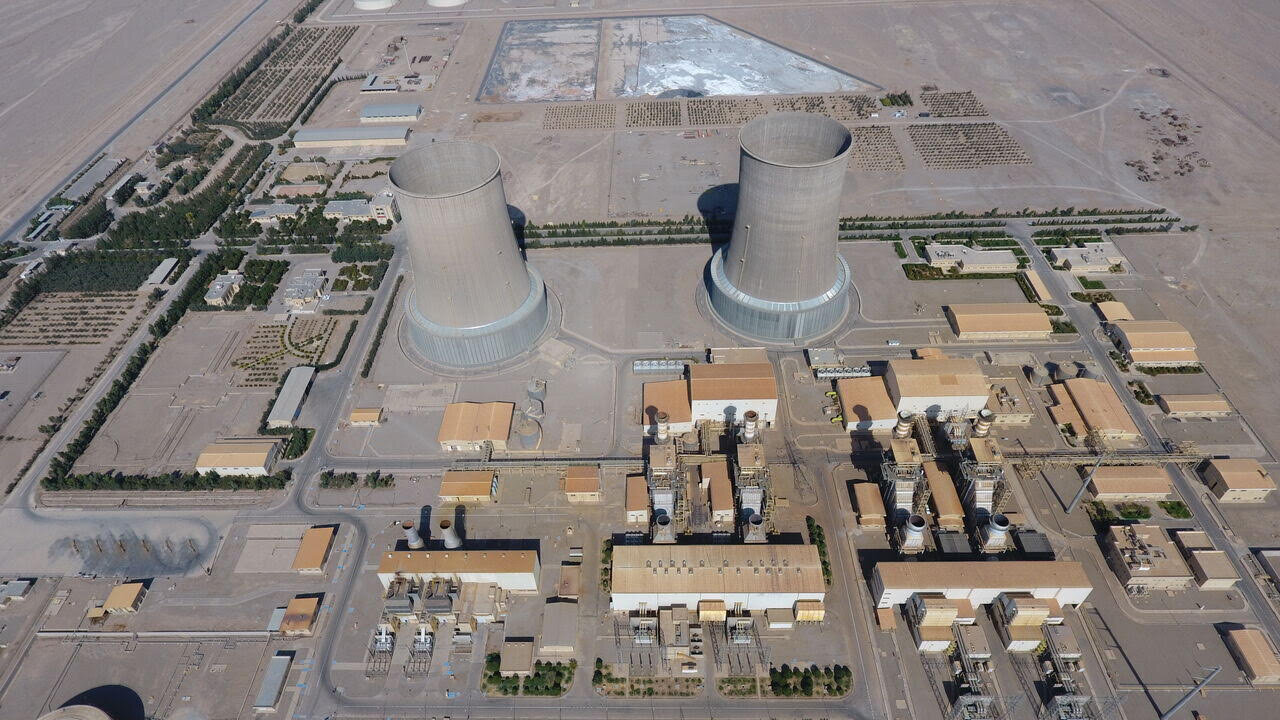
Iran has successfully added 2,028 megawatts of new power plant capacity to its national grid, meeting 75 percent of its 2,709-megawatt target for the current year. The country's thermal power plants account for over 93 percent of the 101,366-megawatt installed capacity.
Iran has added a lot of new power plants to its grid, which will help the country make more electricity. This is important because it will help Iran have more energy and not rely as much on imported fuels.
Analysis
2,028 Megawatts of New Power Capacity Added to National Grid
Iran has made significant strides in increasing its power generation capacity, with the addition of 2,028 megawatts of new power plant capacity to its national grid. This achievement represents 75 percent of the 2,709-megawatt target for the current Iranian calendar year, which began on March 21. The country's thermal power plants account for over 93 percent of the 101,366-megawatt installed capacity.
Key Achievements
The key achievements in this regard include the commissioning of the 183-megawatt gas unit at Neka Power Plant, which was completed in 99 days. The 345-megawatt steam unit at Rudshur, the largest of its scale in the West Asia, was also commissioned, boasting 58 percent efficiency and annual fuel savings of over 700 million liters. Additionally, steam units at Asaluyeh and Ferdowsi power plants were commissioned, completing the 18-unit package under a 3,000-megawatt contract.
Geothermal Power Plant
The first geothermal power plant, located on Sabalan's slopes with 5.4 megawatts capacity, is now operational and can supply power continuously for 95 percent of the year. This achievement marks a significant milestone in Iran's efforts to diversify its energy mix and reduce its reliance on fossil fuels.
Maintenance Programs
Despite winter fuel shortages and war-related disruptions, maintenance programs were largely completed, achieving a record 98.8 percent readiness rate during peak consumption. This has resulted in a significant reduction in emergency outages, with just 1.2 percent reported. The successful completion of these programs has ensured the continued operation of the country's power plants and has helped to maintain energy security.
Key points
- Iran has added 2,028 megawatts of new power plant capacity to its national grid.
- The country's thermal power plants account for over 93 percent of the 101,366-megawatt installed capacity.
- The addition of new power capacity is crucial for Iran's energy security and economic growth.
- The country's efforts to increase its energy production and reduce its reliance on imported fuels are ongoing.
If this trend continues, Iran's energy security will improve, and the country will be able to reduce its reliance on imported fuels. This will also help to stimulate economic growth and improve the overall standard of living for its citizens.
However, there are still challenges to be addressed, including the need to maintain and upgrade the existing power infrastructure. Additionally, the country's energy mix is still heavily reliant on fossil fuels, which poses environmental and health risks.