Pakistan Could Save Rs. 5 Trillion Annually by Reducing Unnecessary Ministries: Senate Panel
Members of a Senate committee have suggested that Pakistan could save up to Rs. 5 trillion every year by removing unnecessary federal ministries and reducing government spending. They believe that the federal government should focus only on its assigned responsibilities, …
Intelligence analysis by Llama
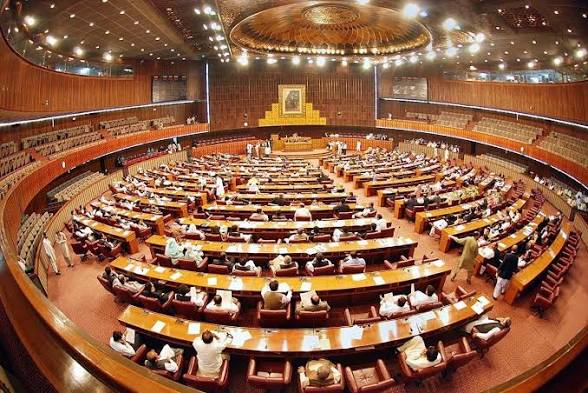
A Senate committee has proposed reducing unnecessary federal ministries to save up to Rs. 5 trillion annually. This could improve the government's efficiency and allow for more resources to be allocated to important sectors such as education, healthcare, and infrastructure.
Imagine a big government with many departments. Some of these departments are not needed, and they waste a lot of money. A group of people in the Senate suggested that the government should get rid of these unnecessary departments. This could save a lot of money, which can be used to improve education, healthcare, and infrastructure. It's like cleaning up a messy room and using the space for something useful.
Analysis
A $60B Vote of Confidence
The proposal to reduce unnecessary federal ministries in Pakistan has sparked a heated debate. Members of the Senate Functional Committee on Devolution have suggested that this move could save the country up to Rs. 5 trillion annually. This amount is substantial, considering the current economic challenges faced by Pakistan. The committee believes that by streamlining the government's structure, unnecessary expenses can be cut, and resources can be allocated more efficiently.
Why Cursor?
But what exactly are these unnecessary ministries? The committee has identified several areas where the federal government can reduce its presence and allow provincial governments to take charge. By doing so, the government can focus on its core responsibilities and improve its overall efficiency. This, in turn, can lead to better governance, reduced wasteful spending, and more effective use of public resources.
The Road Ahead
The committee's proposal is not without its challenges. Implementing such a significant change will require careful planning and coordination. However, if successful, it could have a profound impact on Pakistan's economy and governance. The country could save billions of rupees annually, which can be allocated to important sectors such as education, healthcare, and infrastructure. This, in turn, can lead to improved living standards, increased economic growth, and a more stable future for the country.
Key points
- Members of the Senate Functional Committee on Devolution have suggested reducing unnecessary federal ministries to save up to Rs. 5 trillion annually.
- The committee believes that by streamlining the government's structure, unnecessary expenses can be cut, and resources can be allocated more efficiently.
- The proposal aims to improve governance, reduce wasteful spending, and ensure that public resources are used more effectively.
- Implementing such a significant change will require careful planning and coordination.
- The proposal may face challenges and obstacles along the way, and its success is not guaranteed.
If implemented successfully, this proposal could lead to significant savings and improved resource allocation. This, in turn, can benefit various sectors and the country as a whole. The government could allocate more resources to education, healthcare, and infrastructure, leading to improved living standards and economic growth.
However, implementing such a significant change will require careful planning and coordination. There may be challenges and obstacles along the way, and the proposal may not be successful. If not implemented correctly, the government may face criticism and backlash, which could undermine its credibility and effectiveness.