The Mysterious 16-Year Journey of Eva Peron's Remains
Eva Peron's remains were taken by the Argentine military government in 1955, sparking a 16-year mystery about their whereabouts. The remains were moved several times, with some reports suggesting they were hidden in a van, a cinema, or a waterworks facility. The governmen…
Intelligence analysis by Llama
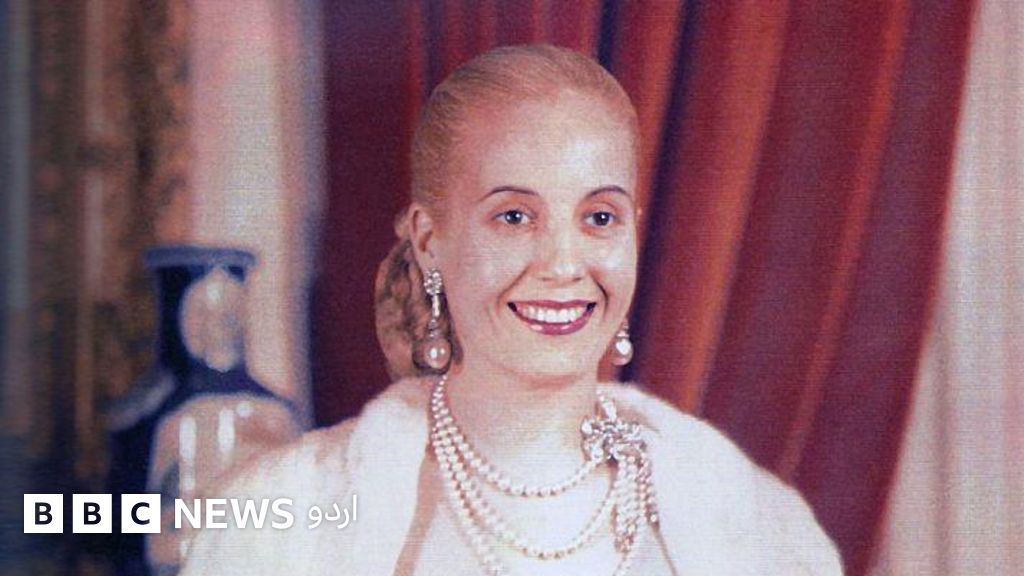
Eva Peron's remains were taken by the Argentine military government in 1955, sparking a 16-year mystery about their whereabouts. The remains were moved several times, with some reports suggesting they were hidden in a van, a cinema, or a waterworks facility.
Eva Peron's remains were taken by the Argentine military government in 1955, and they were hidden for 16 years. The government wanted to stop people from remembering Eva Peron, who was a popular leader. The remains were moved around several times, and people were looking for them everywhere. Finally, in 1971, the remains were found and brought back to Argentina, where they were buried in a special place.
Analysis
The Disappearance of Eva Peron's Remains
Eva Peron's remains were taken by the Argentine military government in 1955, sparking a 16-year mystery about their whereabouts. The remains were moved several times, with some reports suggesting they were hidden in a van, a cinema, or a waterworks facility. The government's motives for hiding the remains were likely to prevent them from becoming a symbol of resistance against the new government.
The Search for Eva Peron's Remains
The search for Eva Peron's remains began in 1955, when the military government took control of the country. The government's actions were likely aimed at suppressing the legacy of the Peronist movement, which had been a powerful force in Argentine politics. The remains became a symbol of resistance against the new government, and their disappearance sparked a 16-year mystery that was only resolved in 1971.
The Return of Eva Peron's Remains
Eva Peron's remains were finally returned to Argentina in 1971, after a 16-year journey. The remains were reburied in a special mausoleum in Buenos Aires, where they remain to this day. The return of the remains was a significant event in Argentine history, and it marked the end of a long and complex chapter in the country's politics.
Key points
- Eva Peron's remains were taken by the Argentine military government in 1955.
- The remains were moved several times, with some reports suggesting they were hidden in a van, a cinema, or a waterworks facility.
- The government's motives for hiding the remains were likely to prevent them from becoming a symbol of resistance against the new government.
- The search for Eva Peron's remains began in 1955, and it sparked a 16-year mystery that was only resolved in 1971.
- Eva Peron's remains were finally returned to Argentina in 1971, after a 16-year journey.
The return of Eva Peron's remains to Argentina in 1971 marked a significant step towards healing and reconciliation in the country. It also highlighted the importance of preserving the legacy of the Peronist movement, which had been a powerful force in Argentine politics.
The 16-year journey of Eva Peron's remains was a dark and complex chapter in Argentine history. It highlighted the lengths to which the military government would go to suppress the legacy of the Peronist movement, and it sparked a 16-year mystery that was only resolved in 1971.