Pakistan introduces four-year Hajj policy
Pakistan has introduced a four-year Hajj policy to improve transparency, digital governance, accountability, merit, and services for pilgrims. The policy includes a four-year registration and waiting list system, digital management of the Hajj process, and a shift from di…
Intelligence analysis by Llama
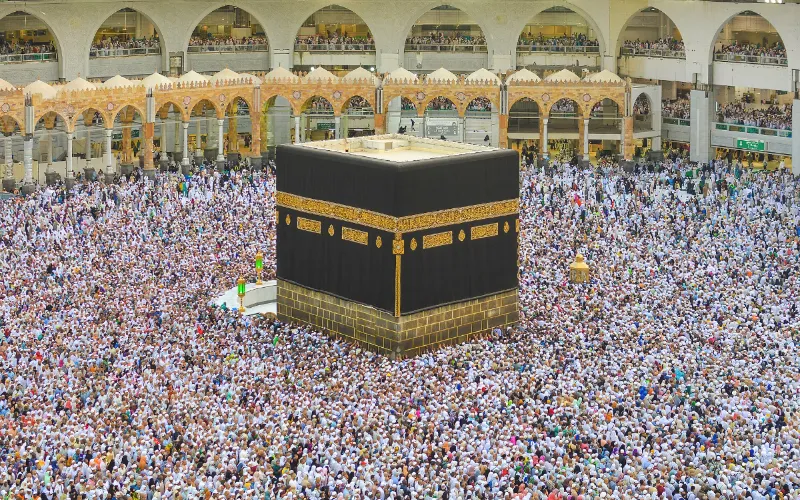
Pakistan has introduced a four-year Hajj policy to improve services for pilgrims. The policy includes a digital waiting list, transparent procurement, and a shift from direct management to regulation and monitoring.
Pakistan has made a new plan to help people who want to go on a special trip called Hajj. The plan is to make sure everything is fair and easy to understand, and that people get good service. It's like a big team effort to make sure everyone has a good time.
Analysis
A New Era in Hajj Management
Pakistan's four-year Hajj policy marks a significant shift in the country's Hajj management system. The policy aims to improve transparency, digital governance, accountability, merit, and services for pilgrims. For the first time, pilgrims will be able to choose the year they want to perform Hajj through a four-year registration and waiting list system. This will allow the government to plan and manage Hajj operations more effectively, reducing costs and improving service quality.
Digital Governance and Accountability
The new policy introduces a fully digital system for managing the Hajj process, from registration to complaint resolution and post-Hajj reviews. This will ensure transparency and accountability in all stages of the Hajj process. The government will also establish a modern digital complaint management system, along with effective monitoring and a formal appeals process, to ensure complaints are resolved promptly.
A Shift in Government Role
The government's role will gradually shift from directly managing Hajj operations to serving as a regulator, monitor, and quality assurer. The private sector's role will expand, and private Hajj companies will be registered and monitored based on their performance and compliance with prescribed service standards. This will ensure that private Hajj companies provide better services to pilgrims.
Key points
- Pakistan has introduced a four-year Hajj policy to improve transparency, digital governance, accountability, merit, and services for pilgrims.
- The policy includes a four-year registration and waiting list system, digital management of the Hajj process, and a shift from direct management to regulation and monitoring.
- Private Hajj companies will be registered and monitored based on their performance and compliance with prescribed service standards.
- The government will establish a modern digital complaint management system, along with effective monitoring and a formal appeals process.
- All Hajj payments will be made only through government-designated banking channels to ensure transparency and financial security.
The new policy is expected to improve the overall Hajj experience for pilgrims, with better services, more transparency, and a more efficient process. This could lead to increased pilgrim satisfaction and a boost in the reputation of Pakistan's Hajj management system.
However, the implementation of the new policy may face challenges, such as resistance from private Hajj companies or technical issues with the digital system. Additionally, the policy's focus on digital governance and accountability may lead to increased costs and bureaucratic red tape.