Pakistan introduces new cost-effective Hajj Savings Scheme: Key details
Pakistan's Ministry of Religious Affairs has unveiled a multi-year Hajj Policy (2027-2030) focused on cost efficiency, transparency, and pilgrim welfare, introducing a Hajj Savings Scheme and allowing women to perform Hajj without a male guardian.
Intelligence analysis by Gemini 2.5 Flash
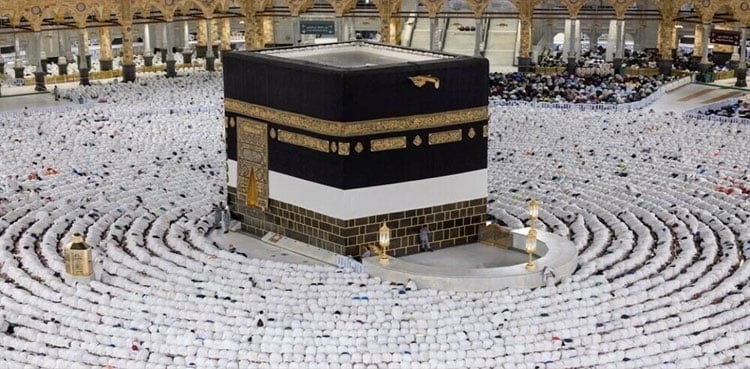
The new comprehensive Hajj policy aims to stabilize operations and reduce costs by securing multi-year contracts for services in Saudi Arabia. It also digitizes financial transactions, introduces a savings scheme for pilgrims, and implements strict regulations for private Hajj operators, alongside significant social reforms like allowing women to perform Hajj without a Mahram.
Imagine going on a very special trip far away, like a big school trip. The government is now planning this trip for many years ahead, like booking all the buses and hotels at once to get a better deal and save money. They're also making it easier for kids to save up for the trip over time, and even letting girls go without a grown-up helper if they promise to be responsible. Plus, they're making sure everyone is safe and gets help if anything goes wrong.
Analysis
Strategic Reforms for Hajj Operations
Pakistan's Ministry of Religious Affairs and Interfaith Harmony has launched a comprehensive 16-page multi-year Hajj Policy and Plan, spanning from 2027 to 2030. This strategic shift is designed to bring long-term stability, transparency, and cost efficiency to Hajj operations, which have historically faced challenges. A cornerstone of this policy is the government's intent to secure three- to four-year contracts in Saudi Arabia for essential services, including air travel, accommodation, transportation, catering, and baggage management. This proactive approach aims to leverage bulk purchasing power to reduce overall costs and facilitate more effective operational planning over an extended period.
Further enhancing transparency and efficiency, the new policy mandates the abolition of paper-based cash transactions. All financial dealings related to Hajj will now be conducted through the State Bank of Pakistan and integrated digital payment portals. This move is expected to minimize corruption, streamline financial flows, and provide a clear audit trail for all funds. The Hajj quota allocation remains consistent, with 60% reserved for the Government Scheme and 40% for private Hajj operators, ensuring a balanced approach to pilgrim facilitation.
Empowering Pilgrims and Ensuring Welfare
Central to the new policy is the introduction of a multi-year registration system coupled with a Hajj Savings Scheme. This innovative scheme allows prospective pilgrims to deposit 10% of the estimated Hajj cost, securing priority registration for their preferred travel year on a first-come, first-served basis. This initiative aims to make Hajj more financially manageable and accessible by enabling long-term planning and savings. Government scheme pilgrims will also have the flexibility to choose between a standard 38-to-42-day package and a shorter 20-to-25-day option, catering to diverse needs and preferences.
Significantly, the policy introduces social reforms, notably permitting women to perform Hajj without a male guardian (Mahram), provided they submit an official undertaking. This progressive step aligns Pakistan with evolving international norms and offers greater autonomy to female pilgrims. Pilgrim welfare is further prioritized through mandatory training programs covering Hajj rituals, Saudi laws, health, hygiene, and mobile application usage. Financial protection is also a key component, with the Takaful-based Hujjaj Muhafiz Scheme providing Rs2 million to families in case of a pilgrim's death and Rs250,000 for emergency medical evacuation, funded by a non-refundable fee of Rs1,000.
Regulating Private Operators and Future Adaptability
To combat cartelization and ensure fair practices, the new policy introduces stringent anti-monopoly measures for private Hajj operators. The buying, selling, or sub-letting of Hajj quotas is now strictly prohibited. Private operators are required to register with the Securities and Exchange Commission of Pakistan (SECP), process pilgrim data through an official portal, maintain specified capital reserves, and provide a 5% performance guarantee to obtain a three-year license. Companies failing to meet a minimum quota of 2,000 pilgrims will face deactivation and forfeiture of half their security deposit, with their pilgrims transferred to other operators. These measures aim to professionalize the private Hajj sector and protect pilgrims from unscrupulous practices.
Furthermore, the policy establishes an Emergency Response Team under the Director-General of Hajj to effectively manage crisis situations, underscoring a commitment to pilgrim safety. The federal minister has been granted the authority to make necessary adjustments to the policy in response to changing directives from Saudi authorities. This provision ensures the policy remains adaptable and responsive to the dynamic nature of international Hajj regulations, maintaining its relevance and effectiveness over the multi-year period.
Key points
- Pakistan introduces a multi-year Hajj Policy (2027-2030) to ensure stability, transparency, and cost efficiency.
- The policy includes a Hajj Savings Scheme allowing pilgrims to secure priority registration with a 10% deposit.
- Women are now permitted to perform Hajj without a male guardian (Mahram) subject to an official undertaking.
- All financial transactions will be cashless, conducted through the State Bank of Pakistan and digital portals.
- Strict anti-monopoly measures and registration requirements have been imposed on private Hajj operators.
The new multi-year Hajj policy is expected to significantly reduce costs and enhance transparency, making the pilgrimage more affordable and accessible for a wider range of Pakistani citizens. The inclusion of women without a Mahram and robust financial protection schemes will also greatly improve pilgrim welfare and experience, fostering greater trust in the Hajj management system.
Challenges may arise in the practical implementation of securing long-term contracts with Saudi service providers, potentially leading to unforeseen cost fluctuations or service quality issues. Private Hajj operators might also resist the stringent new regulations, which could lead to disruptions or a reduction in the number of available private packages, impacting pilgrim choices.