Pakistan launches deadly air strikes in Afghanistan, reigniting tensions
Pakistan says it killed 26 militants in border strikes, while the Taliban says 13 civilians, including children, died. The attacks have reopened a tense border conflict that had been relatively quiet for months.
Intelligence analysis by GPT-5.4 Mini
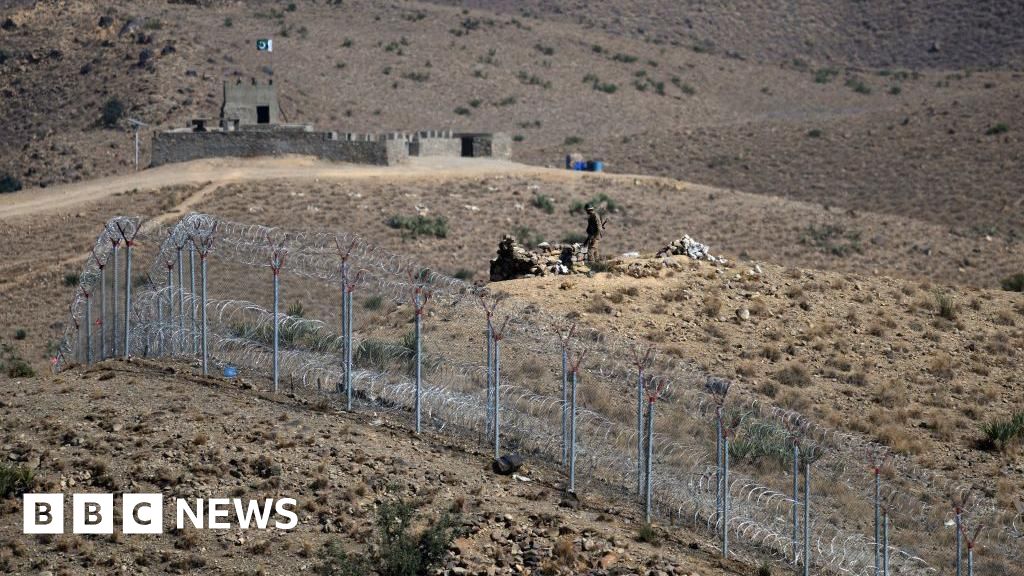
Pakistan has carried out air strikes along the Afghanistan border, saying it targeted militant hideouts after recent attacks inside Pakistan. The Taliban says the strikes killed civilians, including children, and the episode has revived a long-running cycle of accusation and retaliation.
Pakistan and Afghanistan are fighting over people they each blame for attacks. Pakistan says it hit bad guys, but Afghanistan says children and other civilians were killed, like when two neighbors keep throwing stones and both say the other started it.
Analysis
What happened
Pakistan said it carried out what it called “calibrated strikes” across the border, hitting four targets and killing 26 militants. Its information minister said the operation was a response to recent terrorist incidents in Pakistan and aimed at hideouts, a training centre, and an ammunition cache.
Afghanistan’s Taliban government gave a very different account. Spokesman Zabihullah Mujahid said strikes hit the provinces of Kunar, Khost, and Paktika, killing 13 people, including 11 children, one woman, and one elderly man. The two governments are again disputing both the targets and the casualty figures.
Why this is escalating again
The BBC says this is the first major escalation since February, when border fighting killed hundreds. Pakistan has long accused Afghanistan of sheltering militants who attack Pakistani soil, and the Taliban rejects that claim. The article also notes that the two sides had agreed to a ceasefire last October after weeks of deadly clashes.
The latest strikes fit a familiar pattern: an attack inside Pakistan, a military response across the border, denial from Kabul, and renewed warnings from outside powers. The story also shows how fragile the ceasefire has become, with sporadic clashes continuing even during periods of relative calm.
What to watch next
If the two sides keep trading blame without a new channel for talks, the border could stay unstable and more strikes or retaliatory fire may follow. If both governments step back from escalation, the ceasefire framework from last October could still matter, but the article gives no sign that trust is in place.
Key points
- Pakistan says it struck four border targets and killed 26 militants.
- The Taliban says the strikes killed 13 people, including 11 children.
- The two governments disagree sharply over who was hit and why.
- This is the first major escalation since fighting in February.
- The border conflict remains tied to accusations about militant safe havens.
If both sides keep treating border attacks as justification for more strikes, the violence could spread again. The article shows that casualty claims are disputed, which makes escalation easier and makes a stable ceasefire harder to restore.