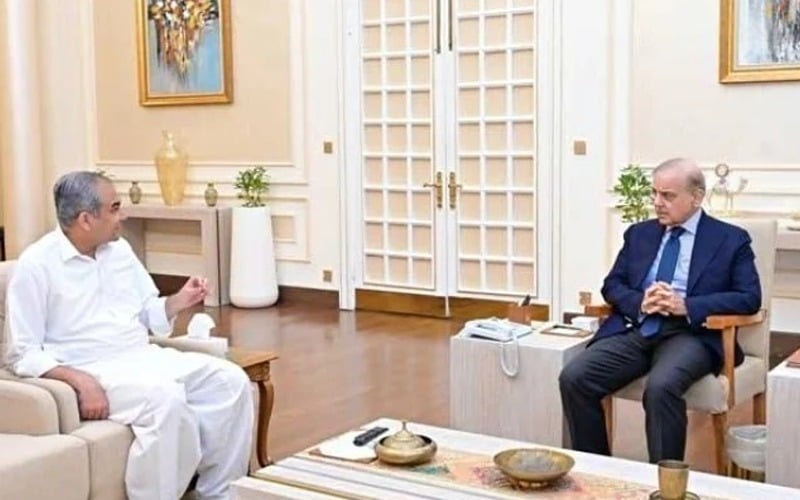
Pakistan 'seeks' $1.3 billion refinancing from China
Pakistan has requested China to refinance a $1.3 billion commercial loan, with the funds expected to be received later this month once the terms and conditions are finalized.
Intelligence analysis by Llama
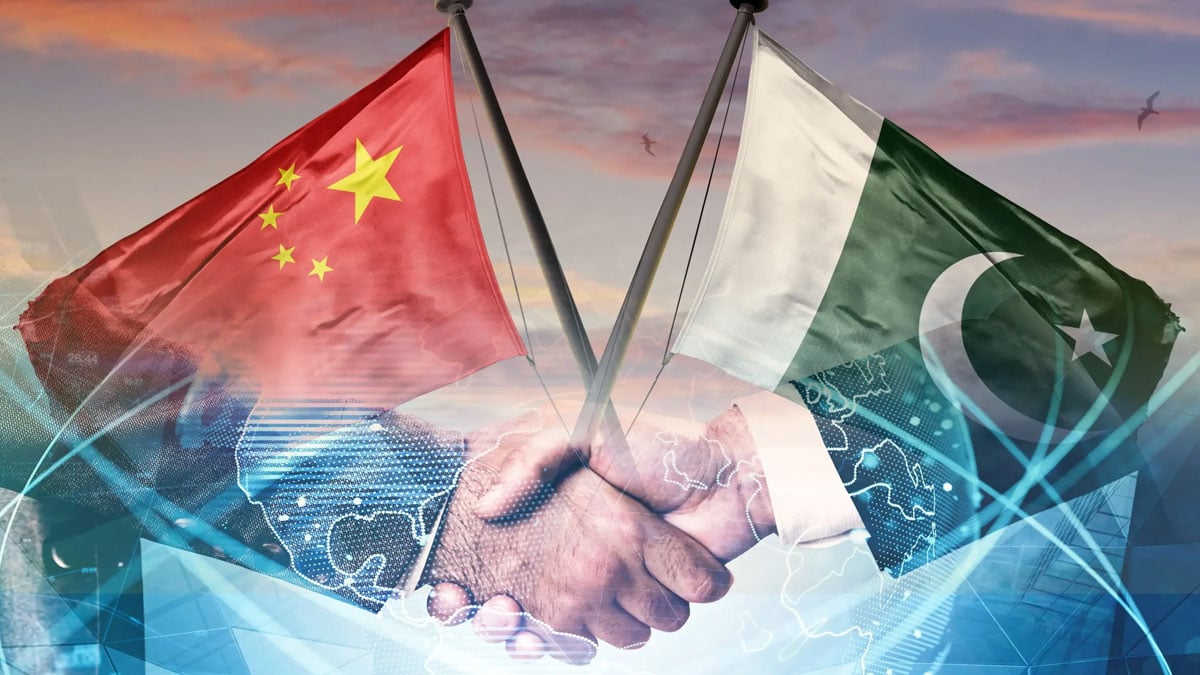
Pakistan is seeking $1.3 billion in refinancing from China to support its foreign exchange reserves and meet external debt obligations. The refinancing request comes as Pakistan continues to manage external financing needs and maintain reserve adequacy.
Pakistan is asking China for $1.3 billion to help it pay its debts and keep its money safe. This is like asking a friend for a loan to help you pay your bills on time.
Analysis
A $1.3 Billion Lifeline for Pakistan's Economy
Pakistan's request for $1.3 billion in refinancing from China is a significant development in the country's efforts to manage its external financing needs and maintain its foreign exchange reserves. The refinancing request comes as Pakistan continues to grapple with a large external debt burden and a dwindling foreign exchange reserve position.
According to sources in the Ministry of Finance, discussions with Chinese authorities are underway to expedite the refinancing process. The inflow is expected to provide timely support to Pakistan's foreign exchange reserves, which have been under pressure due to a large trade deficit and a decline in foreign investment.
The refinancing request is also seen as a positive development for Pakistan's economy, as it will help the country to meet its external debt obligations and maintain its reserve adequacy. The State Bank of Pakistan is expected to purchase more than $7 billion from the interbank market during the current fiscal year, which will be used to meet external debt obligations and strengthen the country's foreign exchange reserves.
Why Pakistan Needs Refinancing
Pakistan's need for refinancing is driven by its large external debt burden and a dwindling foreign exchange reserve position. The country's external debt has increased significantly over the past few years, and its foreign exchange reserves have declined due to a large trade deficit and a decline in foreign investment.
According to the State Bank of Pakistan, the country's foreign exchange reserves stood at $10.3 billion as of July 2026, which is sufficient to cover about 2.5 months of imports. However, the country's trade deficit has been widening over the past few years, and its foreign exchange reserves have been under pressure due to a decline in foreign investment.
The Road Ahead
The refinancing request from China is a significant development in Pakistan's efforts to manage its external financing needs and maintain its foreign exchange reserves. The inflow is expected to provide timely support to Pakistan's foreign exchange reserves and help the country to meet its external debt obligations. However, the country still faces significant challenges in managing its external financing needs and maintaining its foreign exchange reserves. The country's trade deficit continues to widen, and its foreign exchange reserves remain under pressure due to a decline in foreign investment. In the coming months, Pakistan will need to continue to work with its international partners to secure external financing and maintain its foreign exchange reserves. The country will also need to implement policies to reduce its trade deficit and attract foreign investment, which will be critical in maintaining its economic stability.
Key points
- Pakistan has requested China to refinance a $1.3 billion commercial loan.
- The refinancing request comes as Pakistan continues to manage external financing needs and maintain reserve adequacy.
- The inflow is expected to provide timely support to Pakistan's foreign exchange reserves.
- Pakistan made external debt repayments of $2.2 billion in July, including the repayment of a $1.3 billion Chinese commercial loan.
If Pakistan secures the refinancing from China, it could help the country to meet its external debt obligations and maintain its foreign exchange reserves, which would be a positive development for the economy.
However, if Pakistan fails to secure the refinancing from China, it could lead to a decline in its foreign exchange reserves and make it harder for the country to meet its external debt obligations, which would be a negative development for the economy.