Pakistan Uses Chinese 3D-Printed Implant in Cancer Treatment
Pakistani surgeons have successfully used a Chinese 3D-printed implant during a complex cancer surgery, highlighting the growing adoption of advanced technologies in the country's healthcare sector.
Intelligence analysis by Llama
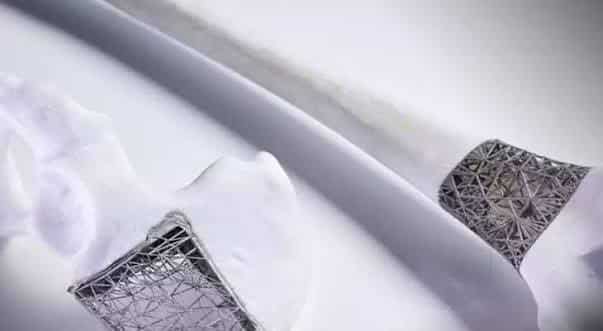
The procedure represents an important step forward in specialised surgical treatment, as 3D-printing technology allows medical teams to develop implants that can be tailored more precisely to a patient's individual anatomical requirements.
Imagine you need a special part for your body, like a custom-made puzzle piece. 3D printing is like a super-advanced machine that can create that part exactly how it needs to be. This helps doctors fix people's bodies in a way that's just right for them.
Analysis
Chinese 3D-Printing Technology in Pakistan's Healthcare Sector
The successful surgery marks an important milestone in the adoption of advanced technologies in Pakistan's healthcare sector. The use of 3D-printing technology allows medical teams to develop implants that can be tailored more precisely to a patient's individual anatomical requirements. This customised approach can be particularly valuable in complicated cases where conventional implants may not provide the desired fit or functionality.
International Medical Cooperation
The collaboration between Chinese technological expertise and Pakistani healthcare professionals reflects the potential of international medical cooperation. This collaboration can lead to the development of new medical technologies and the improvement of healthcare services in Pakistan. The successful surgery demonstrates the benefits of such cooperation and highlights the importance of international collaboration in the field of medicine.
Future Possibilities
The development of customised implants using 3D-printing technology could create new possibilities for patients requiring highly specialised reconstruction following serious medical conditions. This technology has the potential to improve the quality of life for patients and to provide more effective treatment options. The successful surgery is an encouraging sign for Pakistan's healthcare sector and potentially paves the way for more advanced, personalised and technology-driven surgical treatments in the future.
Key points
- Pakistani surgeons have successfully used a Chinese 3D-printed implant during a complex cancer surgery.
- The procedure represents an important step forward in specialised surgical treatment.
- The successful surgery demonstrates the potential of international medical cooperation and the skills of Pakistani surgeons.
- The development of customised implants using 3D-printing technology could create new possibilities for patients requiring highly specialised reconstruction following serious medical conditions.
The successful surgery could lead to more advanced, personalised and technology-driven surgical treatments in the future, potentially improving the quality of life for patients and providing more effective treatment options.
However, the development and implementation of 3D-printed implants may be hindered by regulatory and logistical challenges, and the high cost of the technology may limit its accessibility to patients in need.